


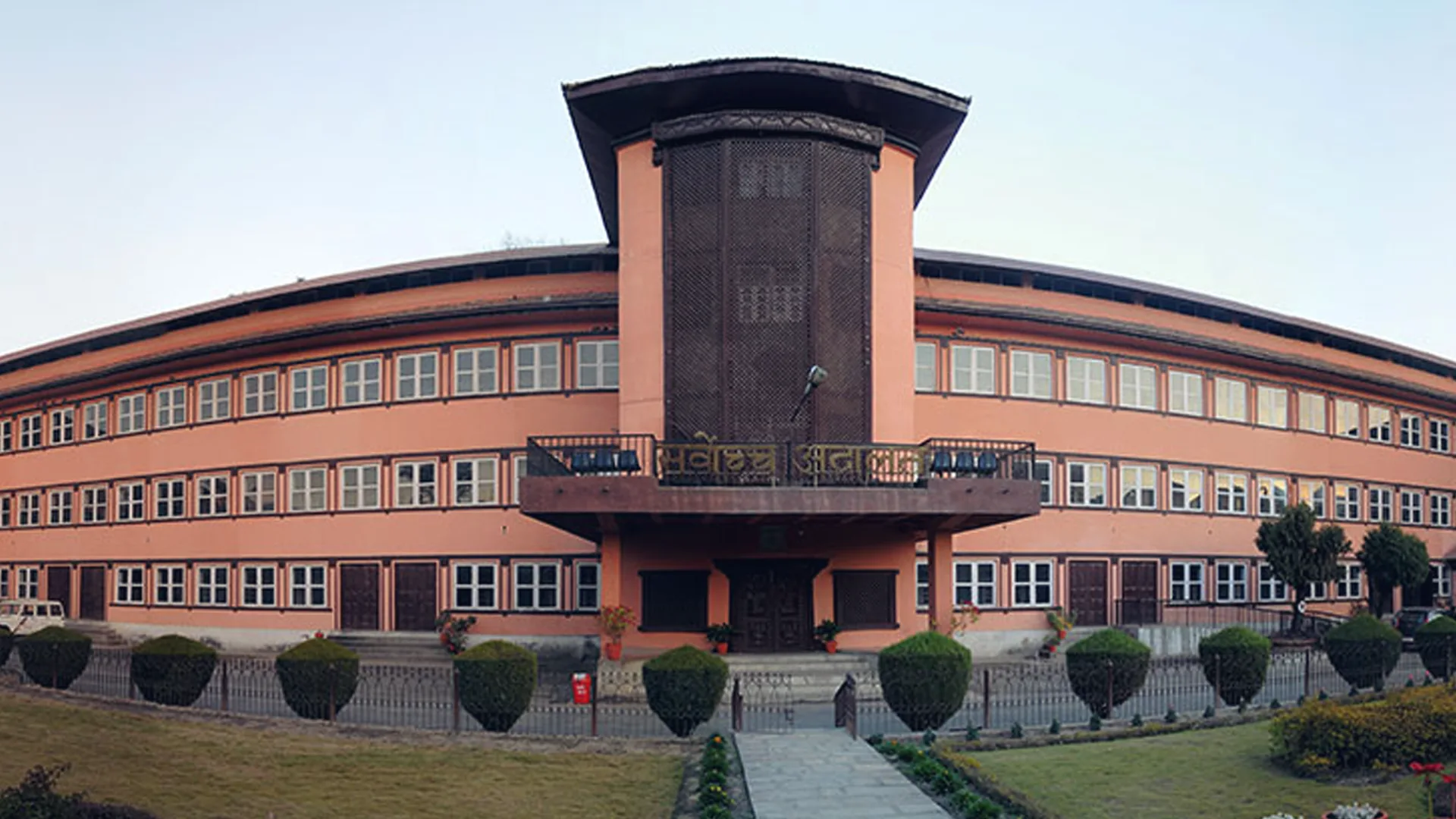
The Supreme Court of Nepal has officially intervened in a dispute regarding the government's authority to investigate the assets of judicial officers. Following a preliminary hearing on a writ petition filed by Advocate Dr. Premraj Silwal, the apex court issued a show-cause notice to the authorities, demanding a legal justification for including sitting and former judges within the scope of an assets investigation commission.
The legal challenge argues that the current structure of the commission is unconstitutional and lacks the proper jurisdiction to oversee the judiciary. Dr. Silwal’s petition highlights a potential clash with Article 101 of the Constitution. According to this constitutional mandate, if a Chief Justice or judge is suspected of corruption, they must first face impeachment by Parliament. Only after their removal from office can the Commission for the Investigation of Abuse of Authority (CIAA) proceed with investigations and subsequent prosecution in the Special Court.

Interested in this ad?
Would you like to continue to the link or provide your information for more details?
Please provide your information
To continue, please fill in your details
Furthermore, the petitioner claims that provisions allowing complaints against active judges under Section 2, Clause 17(b) of the commission's guidelines violate international judicial norms. The lawsuit suggests that placing judges under the oversight of a government-aligned commission could compromise judicial independence, forcing jurists to operate under fear or influence from the executive branch.
While the court has summoned the concerned parties for further discussion, it notably declined to issue an immediate interim order to halt the commission's work. The proceedings will now focus on whether this administrative mechanism undermines the fundamental separation of powers established by the constitution.