Bangladesh, Home to the World’s Third-Largest Hindu Population, Faces Regional Pressure?
Hindu Minority in Bangladesh Faces Renewed Scrutiny After Killing Sparks Regional Concern
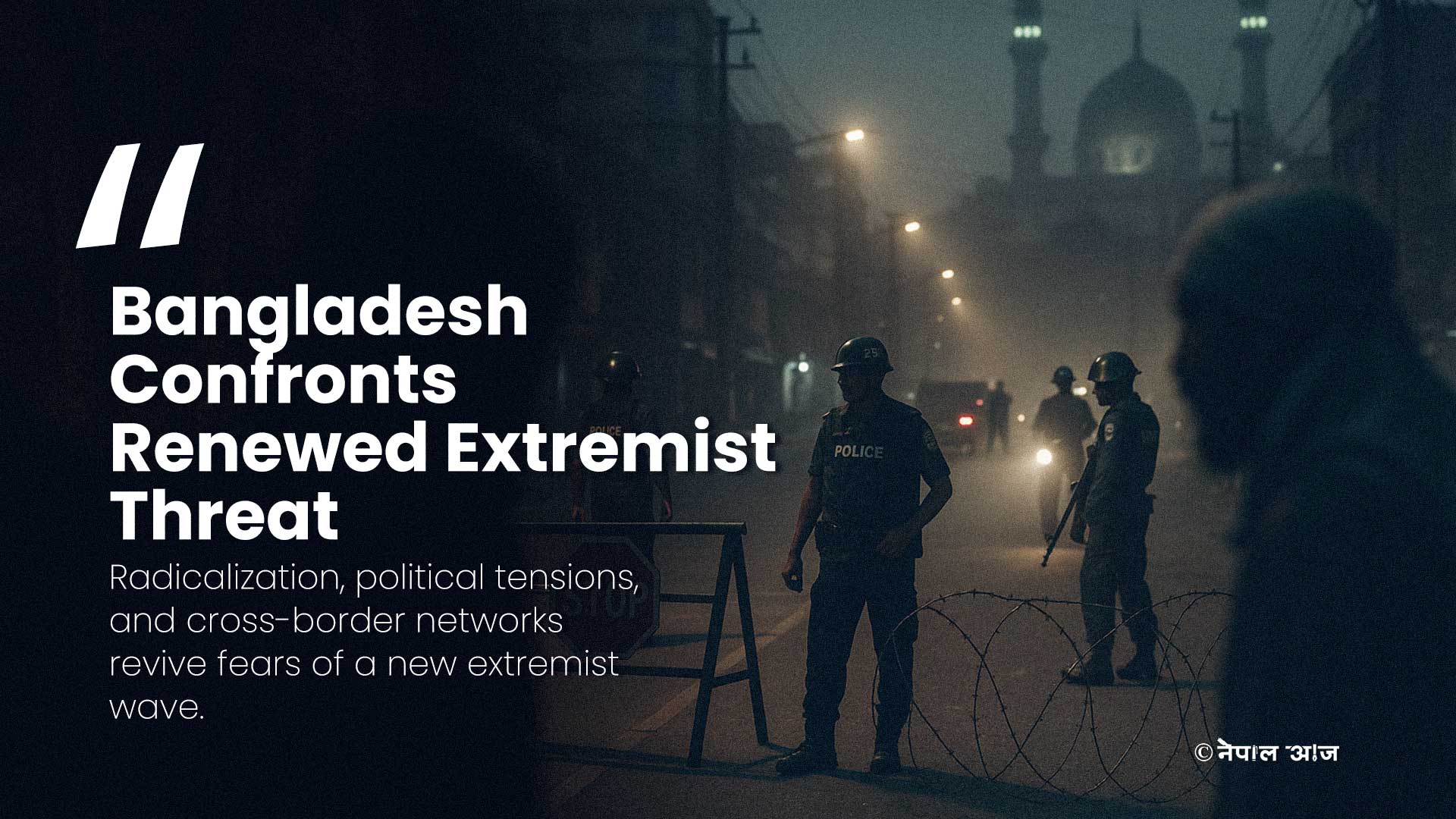
The status of the Hindu minority in Bangladesh has once again come under international scrutiny following the killing of a Hindu man in the country, an incident that has intensified concerns over minority safety, communal harmony, and accountability in South Asia.
India, the world’s most populous nation with more than 1.4 billion people, is home to the largest Hindu population globally. Nepal follows as the second-largest Hindu-majority country. Less widely acknowledged, however, is that Bangladesh—despite being a Muslim-majority state—hosts the world’s third-largest Hindu population, numbering in the millions according to official demographic data.
That demographic reality places Bangladesh in a uniquely sensitive position. While the country’s constitution guarantees equal rights to all citizens regardless of faith, periodic incidents of violence, intimidation, and displacement involving religious minorities—particularly Hindus—have continued to raise alarm among rights groups and regional observers.
The recent killing has renewed fears among Hindu communities in Bangladesh, many of whom already report feelings of insecurity stemming from past episodes of mob violence, property seizures, and social marginalization. Rights advocates stress that such incidents, if not transparently investigated and prosecuted, risk reinforcing a climate of fear and accelerating minority emigration.
The implications extend beyond Bangladesh’s borders. Nepal, which defines itself historically and culturally as a center of Sanatan Hindu civilization, has closely followed developments affecting Hindu communities in the region. Civil society voices in Kathmandu argue that sustained violence or impunity against minorities anywhere in South Asia weakens the region’s collective commitment to pluralism and coexistence.
India, sharing deep cultural, religious, and historical ties with Bangladeshi Hindus, has also been urged by commentators to raise concerns through diplomatic and multilateral channels. Analysts note that minority protection in Bangladesh is not solely a domestic issue but one that affects regional stability, migration patterns, and bilateral relations.
Human rights experts emphasize that the issue should not be framed as a clash of religions, but as a test of the rule of law. The protection of minorities, they argue, is a core indicator of democratic resilience and institutional credibility.
As investigations continue, regional stakeholders are watching closely to see whether justice is delivered swiftly and impartially. For millions of Hindus living in Bangladesh—and for neighboring countries bound by shared history—the outcome will signal whether constitutional promises translate into lived security, or whether deeper structural reforms are still urgently needed.
Bangladesh’s Extremist Threat Rises

![From Kathmandu to the World: How Excel Students Are Winning Big [Admission Open]](https://nepalaaja.com/img/70194/medium/excel-college-info-eng-nep-2342.jpg)