Lazimpat Rental Dispute Heads to Court as Buddhist Teacher Accuses Ex-Army Chief’s Family
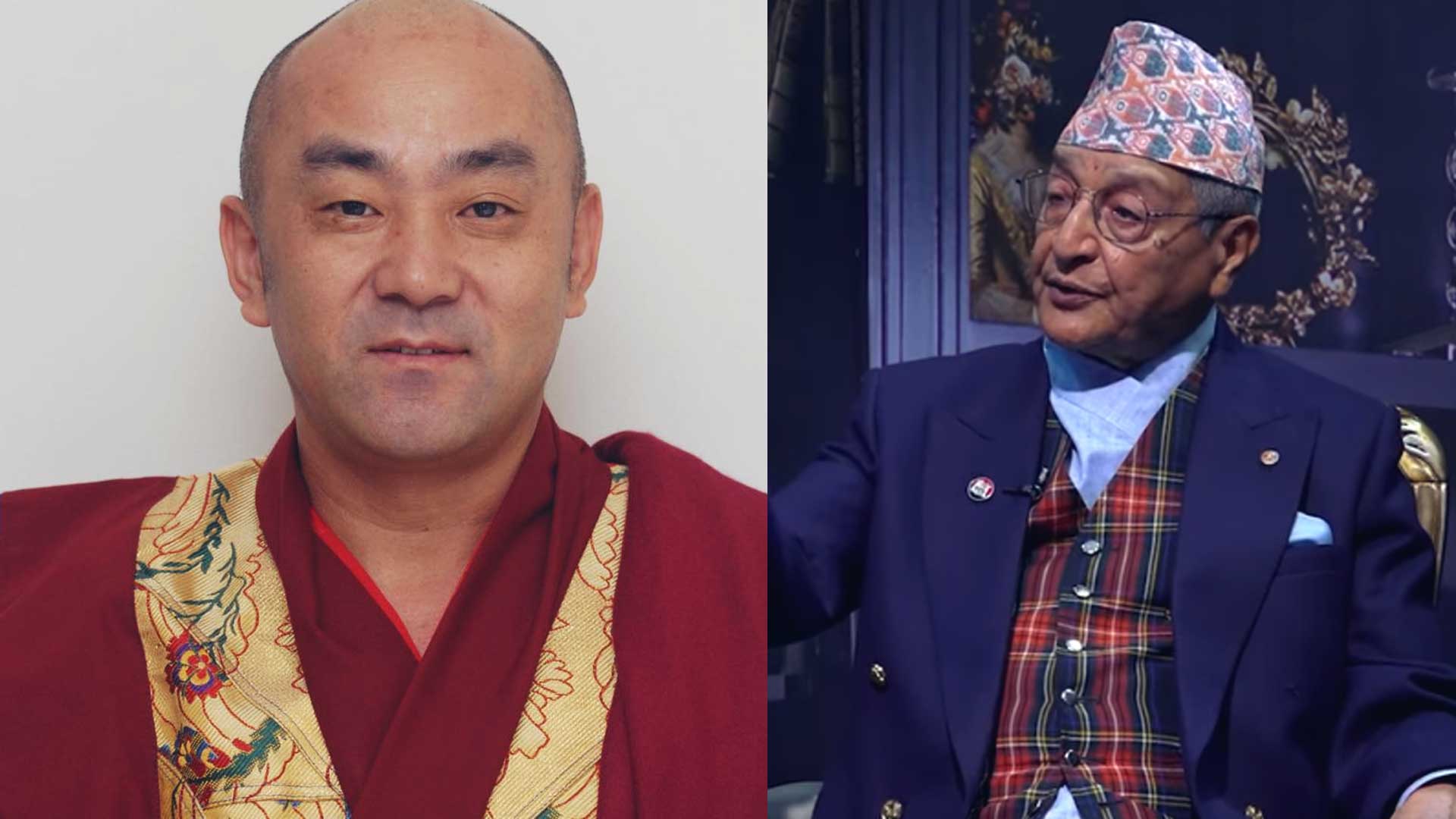
A high-profile rental dispute in Kathmandu’s Lazimpat area involving a Buddhist spiritual teacher and the family of a former Nepal Army chief is moving toward legal resolution, with both sides framing the matter strictly as a disagreement over a long-term lease agreement and its implementation.
Dolpo Buddha, the spiritual name of Phurba Tashi Gurung, a Buddhist teacher and Rinpoche, has alleged that a 10-year rental contract for a residential property was terminated unilaterally before its expiry, causing him significant financial loss. The property is linked to the family of Pradip Shumsher J.B. Rana, a retired Chief of the Nepal Army.
According to Gurung, he entered into a 21-point lease agreement on October 1, 2018, to rent a house located in Kathmandu Metropolitan City–2, Lazimpat, for a period of ten years. The contract, he says, required a monthly rent of NPR 300,000, with a provision for a 10 percent rent increase in the third, fifth, seventh, and ninth years. The lease was stated to remain valid until September 30, 2028, and included a condition for six months’ advance rent in the first year, while local taxes were to be borne by the tenant.
Gurung claims he paid the rent regularly by depositing the monthly amount into a joint account held by Pradip Shumsher Rana and his wife, Sindhu Rana, at Standard Chartered Bank. He states that he has retained bank vouchers, copies of the lease agreement, receipts showing payment of rental tax up to June 2024, and a tax clearance certificate issued in July 2025.
Stating that the lease permitted commercial use, Gurung says he invested approximately NPR 30 million (about USD 225,000) of his own funds to convert the house into a boutique hotel and guest accommodation. He claims the investment covered structural improvements, interior finishing, furniture, gardening, and painting. However, he alleges that while nearly three years of the lease period remained—and while he was abroad in Taiwan in 2024—the agreement was terminated without prior notice and the property was handed over to a third party.
Calling the move a breach of contract, Gurung says he has suffered direct financial losses and is preparing to seek compensation through the courts.
Sindhu Rana, for her part, has acknowledged that a 10-year rental agreement existed but disputes the allegation that the contract was terminated due to her actions. She maintains that the lease was ended because of issues attributable to the tenant and that subsequent decisions were taken in accordance with legal procedures. She has stated publicly that whether the agreement was breached is a matter for the court to determine based on evidence.
Pradip Shumsher J.B. Rana is a retired Chief of the Nepal Army, having served in the country’s highest military post. He was the army chief at the time of the 2001 royal palace massacre, in which King Birendra, Queen Aishwarya, and several members of the royal family were killed. Both parties emphasize that his military career or institutional role is not part of the current dispute, which they describe as limited to a private rental contract and related payments.
Legal experts note that if a long-term lease is proven to have been terminated unilaterally without lawful grounds, the tenant may be entitled to claim compensation under contract law. However, they stress that the outcome will depend on judicial scrutiny of the agreement, payment records, and supporting evidence from both sides. For now, the case remains pending as it moves into the formal legal process, with its resolution likely to hinge on contractual interpretation rather than public stature.


![From Kathmandu to the World: How Excel Students Are Winning Big [Admission Open]](https://nepalaaja.com/img/70194/medium/excel-college-info-eng-nep-2342.jpg)