Gagan Thapa Faces Oli–Deuba Comparisons as Congress Convention Sparks Democracy Debate
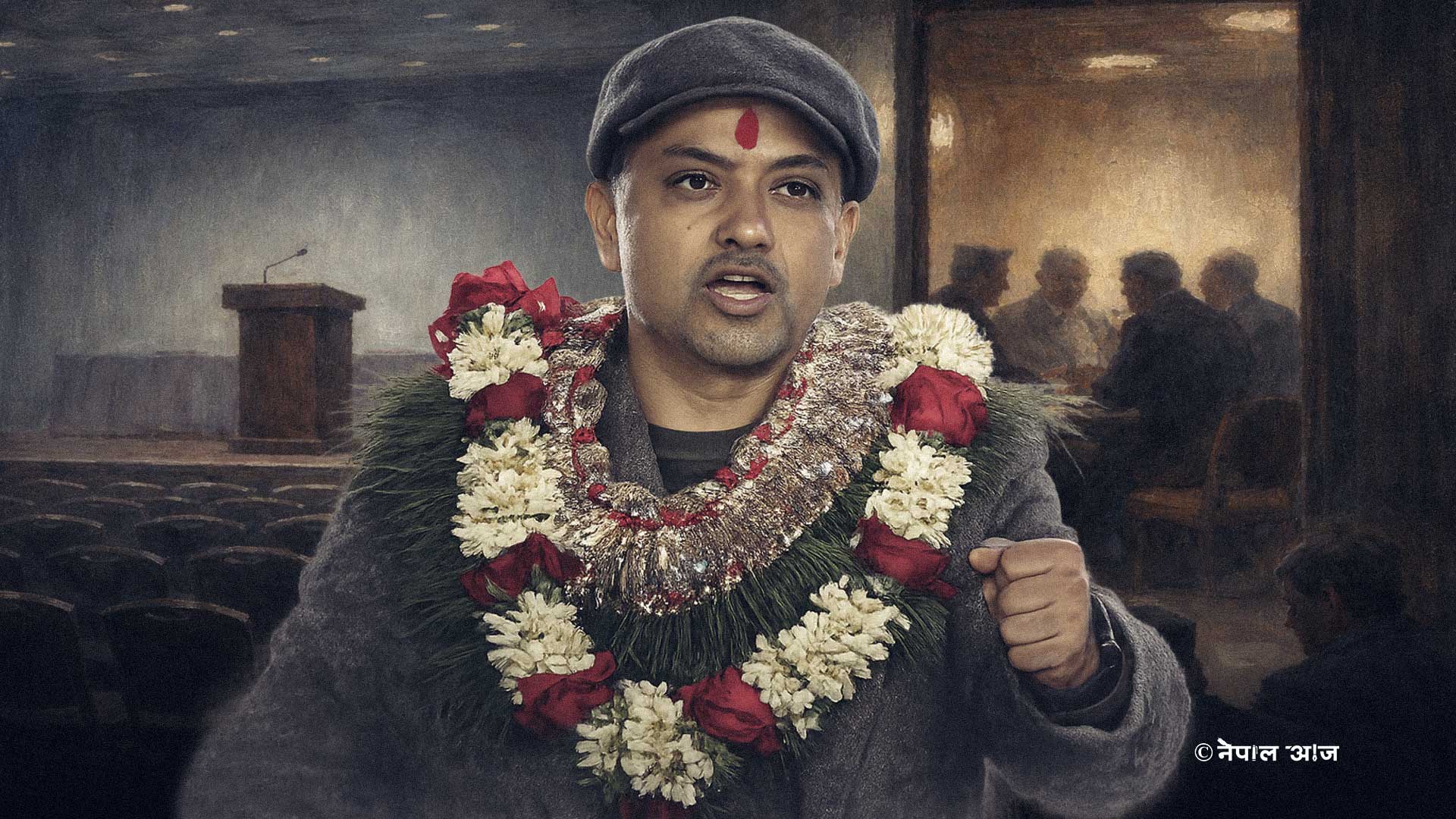
The Nepali Congress special general convention, convened under the banner of reviving internal democracy, has instead intensified allegations that the party has replicated the very power practices it once condemned.
At the center of the controversy is Gagan Thapa, whose political rise was closely tied to promises of transparency, competition, and procedural integrity. The convention’s outcome, however, has shifted the debate away from slogans toward consequences: whether “consensus” was used as a democratic tool or as a mechanism to neutralize contestation.
According to accounts from the convention floor, the erosion of process began well before final decisions were announced. Election schedules released by the party’s Election Committee were repeatedly altered, turning what should have been binding procedural commitments into flexible arrangements aligned with senior leaders’ negotiations. Nomination timelines were postponed, voting dates shifted, and delegates left waiting as leadership-level bargains took precedence over the published process.
The most contentious issue emerged around candidate withdrawals. Multiple aspirants have claimed that their names were removed from the race without formal consent, despite the absence of written withdrawal requests. In some cases, candidates who filed nominations for one position were reportedly reassigned to another slot to satisfy internal power equations. Critics describe this not as political coordination, but as direct interference with individual political rights.
Equally damaging to the convention’s credibility were allegations that core decisions were finalized outside the plenary hall. While Thapa had publicly committed that outcomes would be determined on the convention floor, delegates allege that leadership, policy, and statute-related decisions were instead settled in negotiation teams, hotel rooms, and private residences. The hall, they argue, was reduced to a venue for ratifying decisions already taken elsewhere.
These practices have drawn direct comparisons with leadership styles long associated with KP Sharma Oli in the UML and Sher Bahadur Deuba within the Congress itself—figures whose centralized, deal-driven approaches Thapa had previously opposed. Dissenting delegates argue that replacing personalities without changing methods amounts to a transfer of power, not reform.
Supporters of the leadership maintain that enforced consensus was necessary to prevent deeper factional rupture. Critics counter that cooperation loses its democratic character when it eliminates competition and suppresses dissent. In their view, the convention represented a missed opportunity to institutionalize open elections and restore confidence in internal democracy.
The implications extend beyond this single event. If procedural violations, unconsented withdrawals, and closed-door settlements become normalized, the party risks redefining democracy as managed agreement rather than genuine choice. For a leadership that rose by challenging factional dominance, the contradiction has proven politically costly.
As the dust settles, the convention leaves the Nepali Congress facing an uncomfortable question: was this a corrective intervention to stabilize the party, or a continuation of the very “syndicate politics” it vowed to dismantle? How the leadership responds to this challenge may determine whether the promise of reform regains credibility—or whether this convention is remembered as the moment democracy was buried under the language of consensus.
Gagan Thapa Nepali Congress special general convention

![From Kathmandu to the World: How Excel Students Are Winning Big [Admission Open]](https://nepalaaja.com/img/70194/medium/excel-college-info-eng-nep-2342.jpg)