Nepali Congress Names Gagan Thapa President Without Vote, Stirring Internal Dissent
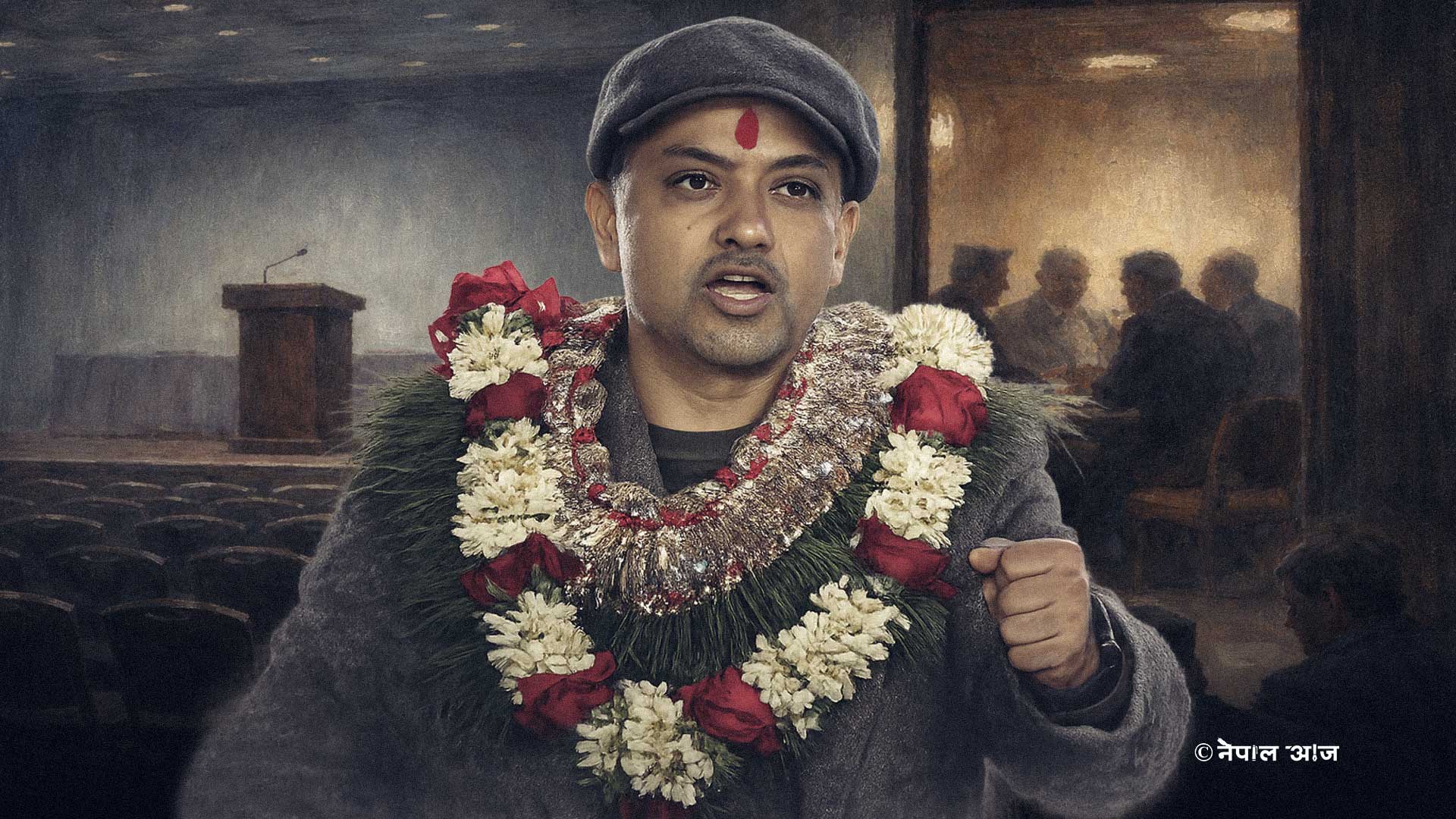
The outcome of the Nepali Congress special general convention has redrawn the party’s internal power map, but it has also left behind visible fractures that may shape its immediate future.
Meeting at Bhrikutimandap in Kathmandu from January 10, the special convention concluded with Gagan Thapa being elevated to party president without a vote. The decision followed three days of intense negotiations aimed at preventing a formal split within the party. When those talks failed to produce consensus across rival camps, the leadership moved ahead with a unanimously declared executive committee instead of proceeding to balloting.
The announcement, delivered just after midnight and completed around 2 a.m., named 13 office-bearers and 121 central committee members. Although nomination forms had been distributed in preparation for an election, the process stopped short of actual voting. Instead, the Election Commission read out a finalized list, declaring all nominees elected unopposed, after which Thapa was immediately sworn in.
Under the new lineup, Vishwaprakash Sharma and Pushpa Bhusal were named vice-presidents, while Pradip Paudel and Gururaj Ghimire took over as general secretaries. The party also unveiled a slate of assistant general secretaries selected under its inclusion framework, covering women, Dalits, Indigenous nationalities, Khas-Arya, Madheshi, Muslim, Tharu, and representatives from backward regions.
Supporters of the process argue that the committee was formed strictly through constitutional procedures. Vishwaprakash Sharma said the leadership was chosen via an institutional method, even though the final hours unfolded behind closed doors.
However, criticism has been swift and pointed. Detractors say the convention mirrored centralized leadership styles associated with KP Sharma Oli and Sher Bahadur Deuba, accusing the new leadership of bypassing democratic competition. The allegation that the final list emerged from Thapa’s “coat pocket” has become a shorthand for broader claims of opaque decision-making and unhealthy rivalry over posts.
Some critics have gone further, arguing that even rival parties have held formal votes, while the Nepali Congress failed to complete its own electoral process. This, they warn, could expose the newly formed committee to legal challenges. Observers have flagged the risk that the Election Commission may withhold formal recognition, opening the door to possible court cases.
For those who had hoped to contest positions, the convention ended in quiet disappointment. Several aspirants were left to reconcile with the outcome without a vote, underscoring the depth of internal dissatisfaction.
As the new executive committee begins its term, it faces a dual test: securing legal and procedural legitimacy while repairing trust among cadres who feel sidelined. Whether the leadership can convert a fragile consensus into durable unity will determine how the party navigates its next political chapter.
Nepali Congress Gagan Thapa![From Kathmandu to the World: How Excel Students Are Winning Big [Admission Open]](https://nepalaaja.com/img/70194/medium/excel-college-info-eng-nep-2342.jpg)