


A high-stakes geopolitical standoff has emerged as the United States issues a stern ultimatum to global powers: any military assistance provided to Iran will be met with immediate and crushing economic sanctions. This development follows intelligence disclosures suggesting that Beijing may be orchestrating the covert delivery of advanced surface-to-air defense hardware to Tehran. The move is seen as a strategic attempt to bolster Iran’s defensive posture after its air infrastructure was significantly degraded during nearly six weeks of intense regional warfare.
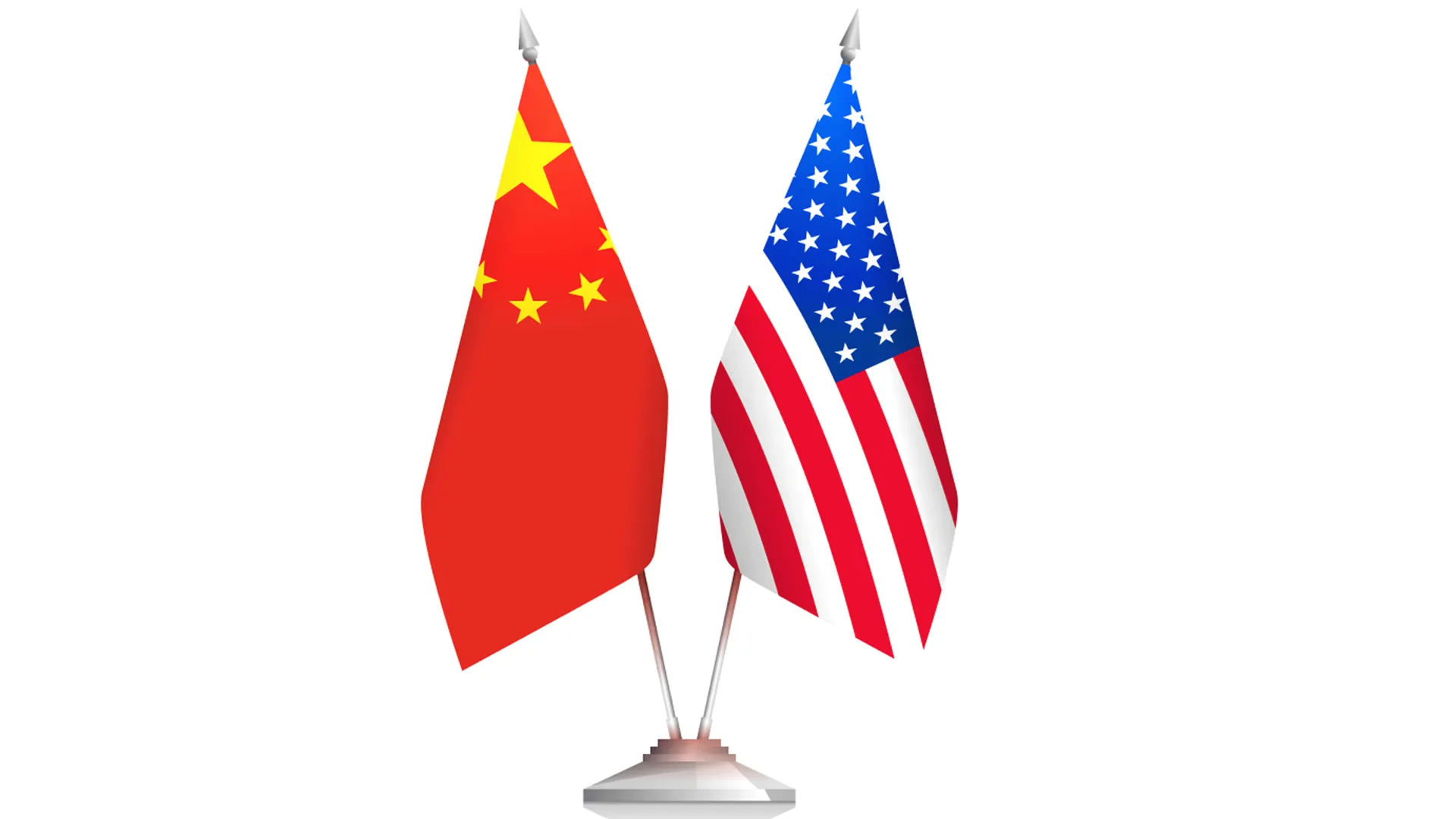
The core of the tension lies in the fragile window of the current ceasefire. While the truce has halted active combat, reports indicate that Iran is aggressively seeking to replenish its depleted arsenal through foreign intermediaries. According to US officials, the penalty for bypassing international scrutiny to arm Iran would be an uncompromising 50% tariff on all goods exported to American markets. Such a measure would effectively end the current trade stability between Washington and Beijing, potentially plunging the world’s two largest economies back into a full-scale trade war.

Interested in this ad?
Would you like to continue to the link or provide your information for more details?
Please provide your information
To continue, please fill in your details
In response, the Chinese embassy in Washington has formally dismissed these claims as baseless, asserting that they have maintained a policy of non-interference. However, international observers remain skeptical, citing Beijing's history of strategic ambiguity and recent maritime incidents—such as the discovery of Chinese surveillance technology in foreign waters—as evidence of a broader, more assertive global footprint.
The repercussions of this friction extend far beyond bilateral trade. Experts warn that if these arms transfers are confirmed, the resulting economic retaliation would fracture global supply chains and destabilize international financial markets. Furthermore, the diplomatic fallout threatens to cancel upcoming high-level summits intended to foster cooperation. The international community now faces a critical juncture where the pursuit of regional military influence by major powers could permanently dismantle the foundations of global economic governance.