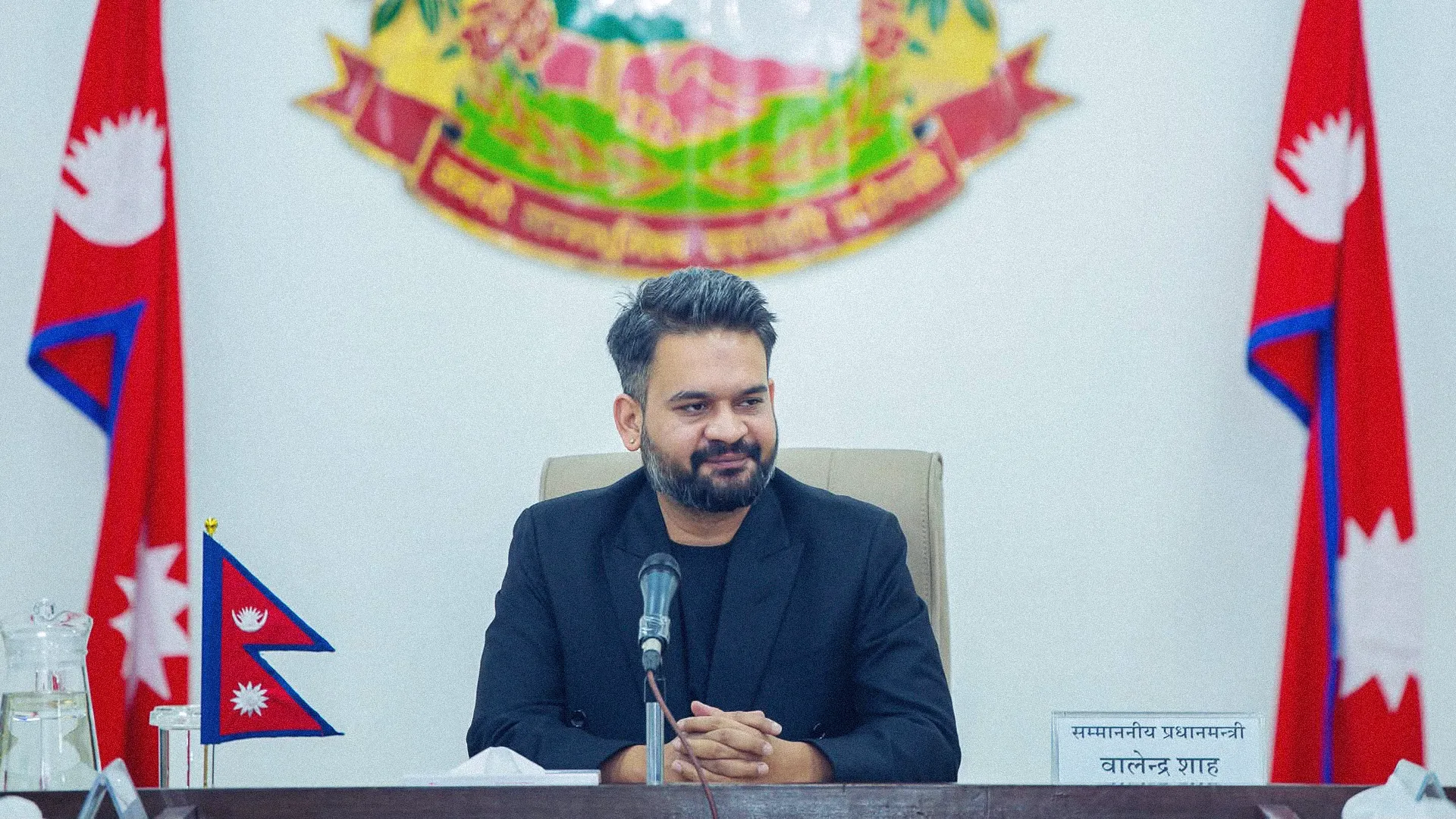



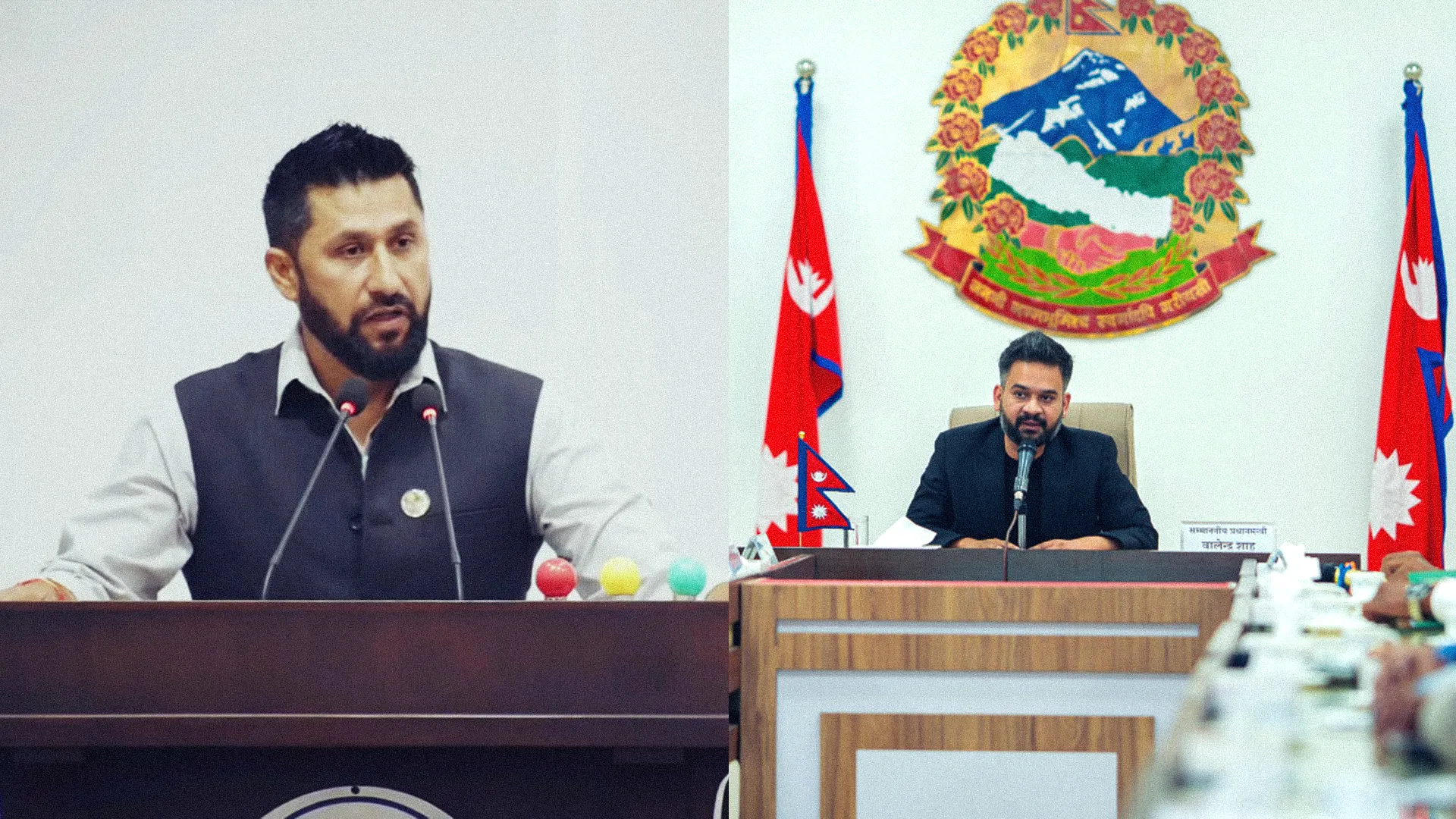
The internal feud within the top leadership of the Rastriya Swatantra Party (RSP), which emerged with the slogan of 'alternative politics,' has surfaced. Due to the failure to achieve a balance of power and position-sharing between the groups of Party President Rabi Lamichhane and Senior Leader/Prime Minister Balendra (Balen) Shah, both the party's organizational restructuring and the government's cabinet reshuffle processes have come to a standstill.
Although it was stated that equal existence of both factions in the organization and government would be maintained as per the seven-point agreement reached before the party's general convention and subsequent understandings, an agreement could not be reached on the modality of position distribution. The Balen faction has been demanding a 50/50 equal share in nominated office bearers and central committee members. Meanwhile, Party President Rabi's faction stands firm on a 60/40 ratio, arguing that the president holds executive prerogative. The Lamichhane faction claims that since most members elected from the general convention belong to the 'Khas-Arya' cluster, 60 percent authority must remain with the president to balance inclusive quotas (Madhesi, Dalit, Janajati, Tharu, Muslim, and Women). Due to this tussle, distance and distrust between the two top leaders have reached a peak.

Interested in this ad?
Would you like to continue to the link or provide your information for more details?
Please provide your information
To continue, please fill in your details
Because of this power-sharing complication, important organs of the party have remained uncertain for months. According to the statute, out of the 158-member central committee, only 7 office bearers and 99 central members were elected from the Chitwan general convention. The nomination process for the remaining 51 central members and 11–12 office bearers (including Vice President, General Secretary, Joint General Secretary, Spokesperson, and Treasurer) remains stuck due to the Rabi-Balen disagreement. Although nominations are legally mandatory to maintain an inclusive balance including 33 percent women, disputes over whom to bring in under which quota have impacted the formation of the party's new secretariat and central committee.
This organizational uncertainty within the party has directly affected government operation and the cabinet reshuffle. Even though homework was initiated to review the performance of ministers and reorganize the cabinet, a tug-of-war has ensued from both sides to appoint or retain their respective close MPs as ministers. Due to the lack of internal consensus on which ministry to assign to whom, the government has become a captive of indecision. As a result, ministry-level affairs, governance agendas, and key administrative appointments have been stalled. Political analysis has begun to emerge that the RSP, which claimed a new political culture, has ultimately fallen into the same trap of power-sharing and factional tussles as the older parties.