


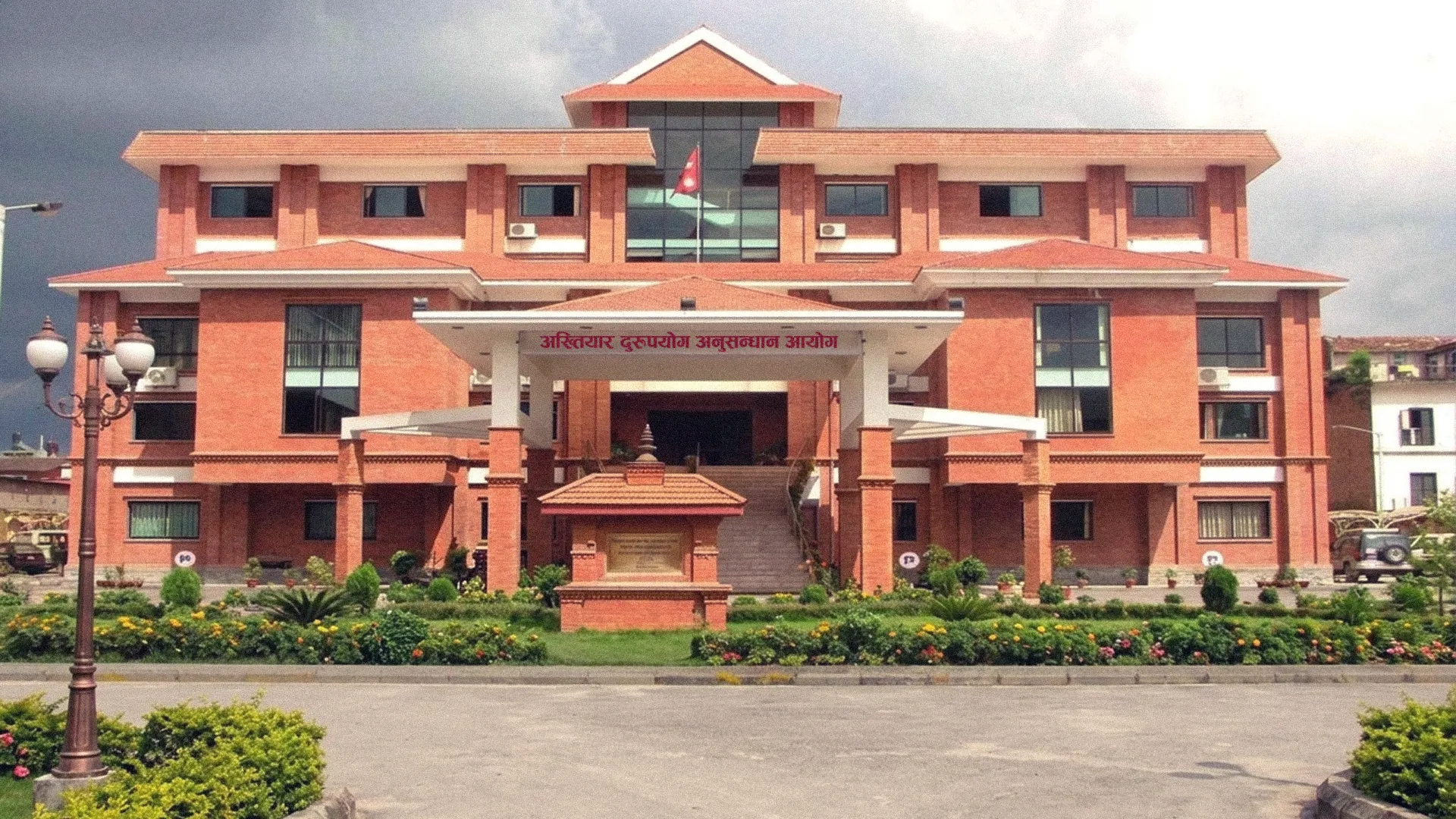
Nepal’s business community has reacted with sharp concern to the Commission for the Investigation of Abuse of Authority's (CIAA) latest strategic plan to bring private and cooperative sectors under its investigative umbrella. Industry leaders argue that such a move, intended to criminalize corruption across all sectors, would overstep the commission's constitutional mandate and jeopardize the country's fragile economic recovery.
The Nepal Chamber of Commerce (NCC) has formally rejected the proposal, stating that the CIAA should remain focused on public officials who hold delegated state authority. NCC President Kamlesh Agrawal highlighted that private enterprises already operate under the rigorous oversight of multiple regulators, including the Inland Revenue Department, Nepal Rastra Bank, and the Office of the Company Registrar. Adding another layer of investigation, he warned, would only serve to demoralize investors who are already struggling with post-pandemic policy pressures.
The human element of this policy shift centers on the fear of systemic harassment. Business representatives believe that the risk-taking nature of private investment is incompatible with the rigid investigative style of an anti-graft body. President Agrawal cautioned that if these measures are enforced, the nation could witness widespread industrial shutdowns and significant capital flight, undermining the government's own goals for economic prosperity.

Interested in this ad?
Would you like to continue to the link or provide your information for more details?
Please provide your information
To continue, please fill in your details
Parallel concerns have been raised regarding the efficiency of existing administrative structures. Manoj Babu Shrestha, President of the National Nepal Entrepreneurs Federation, emphasized that the government should prioritize cleaning up customs administration and simplifying tax audits rather than expanding the CIAA's jurisdiction. He noted that reopening old audit files for years causes undue stress to entrepreneurs and hurts market morale.
As the debate intensifies, the private sector is calling for a deep analytical review by the current two-thirds majority government. They maintain that for Nepal to achieve its growth targets, the state must foster a climate of trust rather than one of suspicion. The future of Nepal's investment landscape now hinges on whether the government chooses to empower existing regulators or proceed with this controversial expansion of investigative power.