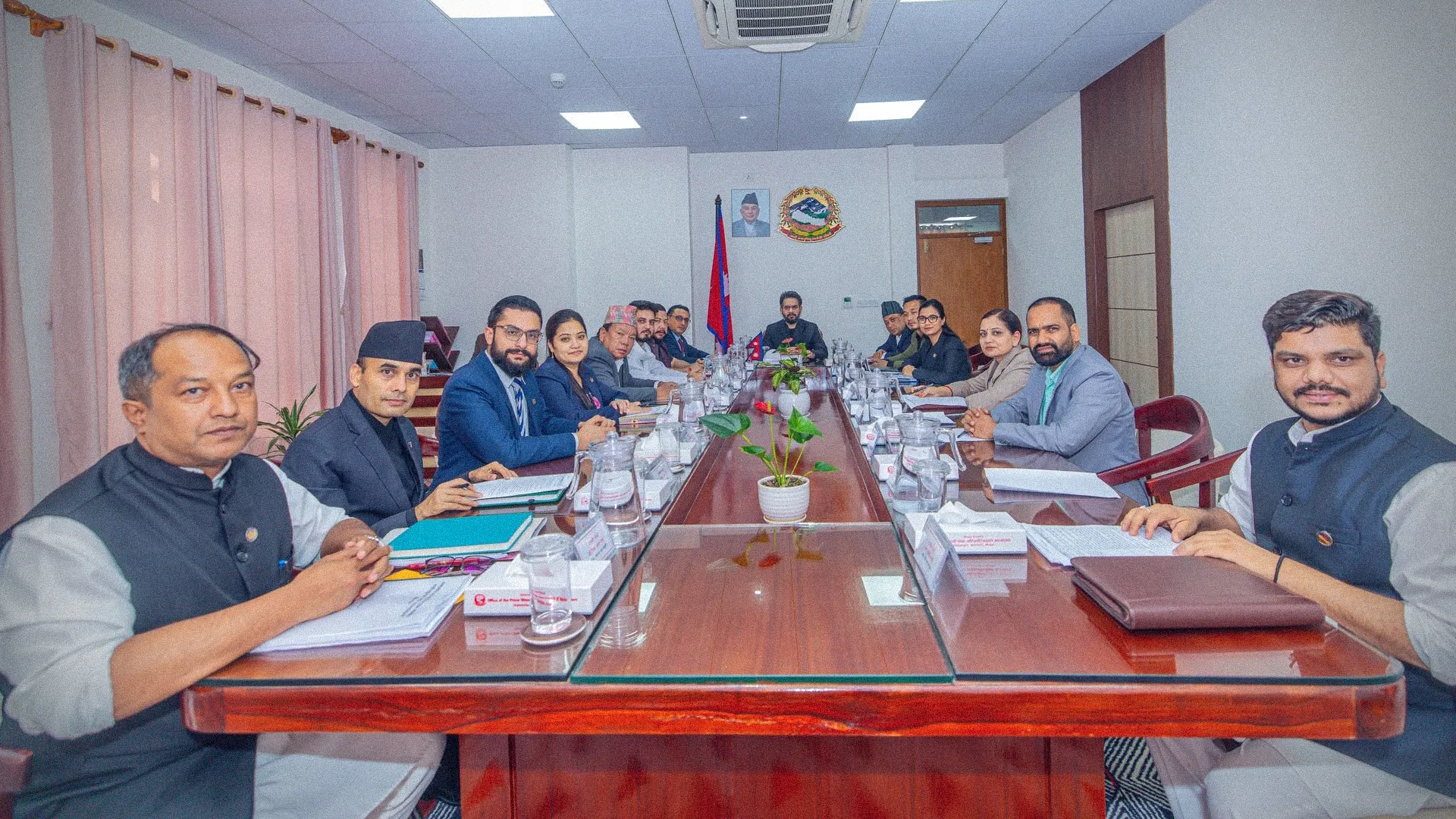



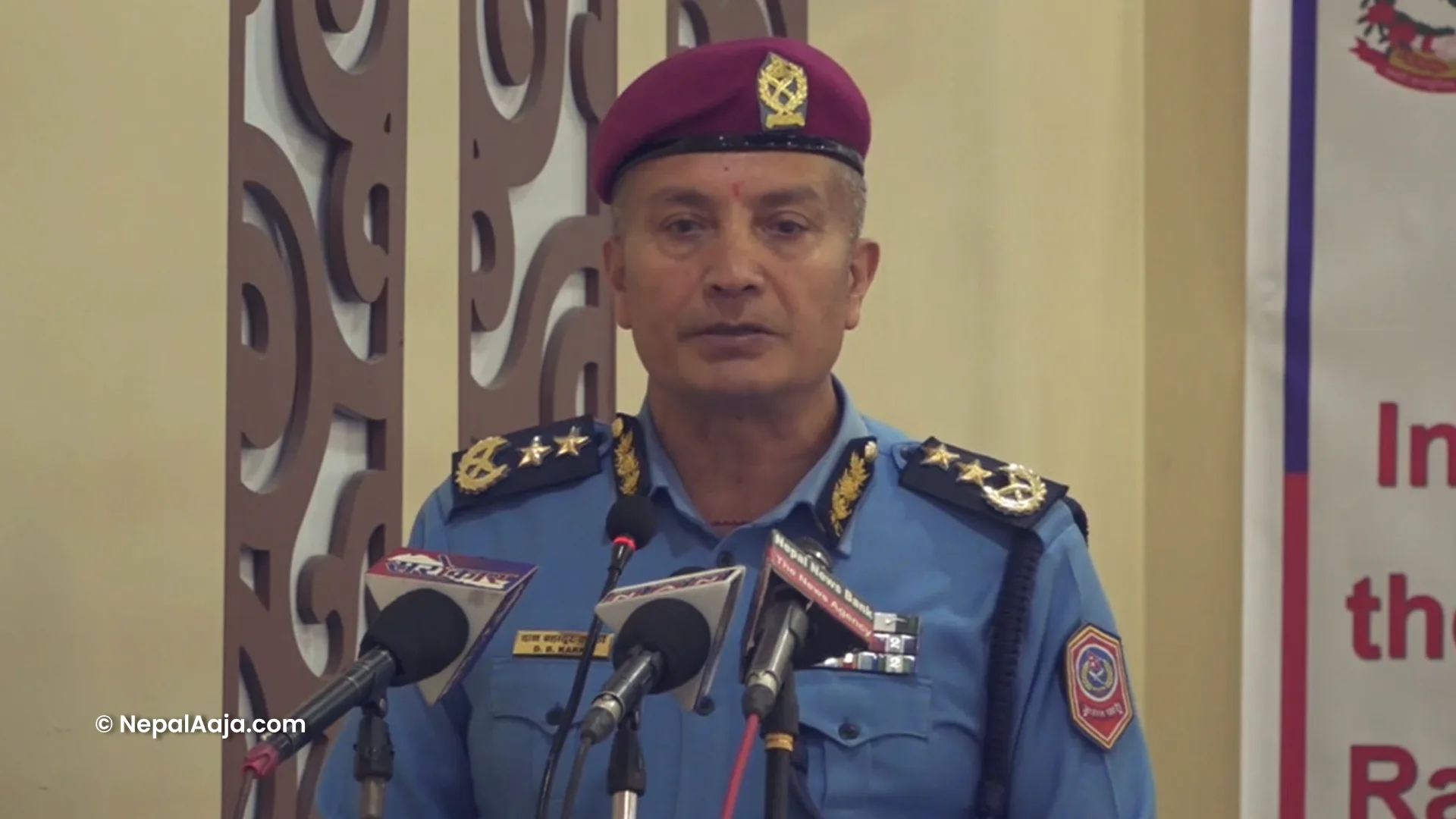
Nepal’s top law enforcement official has issued a surprisingly candid critique of the state’s failure to translate constitutional anti-discrimination guarantees into lived reality, pointing to deep-seated psychological biases and structural flaws that continue to oppress marginalized groups. Speaking at an event marking the International Day for the Elimination of Racial Discrimination, Inspector General of Police (IGP) Dan Bahadur Karki lamented that society is still battling fundamental issues of caste and racial prejudice well into the year 2026 (2082 BS).
According to IGP Karki, the concept of national security must drastically evolve from mere physical protection to a broader framework of "human security," which guarantees everything from fetal health to a child’s education, nutrition, and overall well-being. He stressed that the inherent dignity and self-respect of every individual must be the state's paramount priority. While acknowledging that legal and constitutional frameworks exist on paper, he argued that individuals, institutions, and the entire state apparatus are failing in practical implementation.
In a sharp indictment of societal norms, the police chief highlighted the collective psychological flaw perpetuated by modern media, specifically calling out advertisements that promote fairness creams. He questioned the public's unnatural obsession with light skin, labeling it a symptom of a diseased individual and collective mindset that fuels discrimination.

Interested in this ad?
Would you like to continue to the link or provide your information for more details?
Please provide your information
To continue, please fill in your details
Furthermore, Karki openly admitted that the country's justice system contains severe "bottlenecks" that disproportionately hinder the Dalit community's access to fair treatment. Since the police force is a byproduct of the very society it polices, he emphasized the urgent need for a behavioral and cultural shift within law enforcement agencies to foster a positive environment for legal execution.
Urging lawmakers to address these institutional blind spots when drafting new legislation, the IGP also called for a foundational overhaul of the education system. He suggested that curricula must be redesigned to teach equality and justice from a young age, while individuals in positions of power must set an example through equitable conduct. Ultimately, achieving genuine social equity will require dismantling entrenched cultural prejudices rather than simply relying on statutory declarations.