


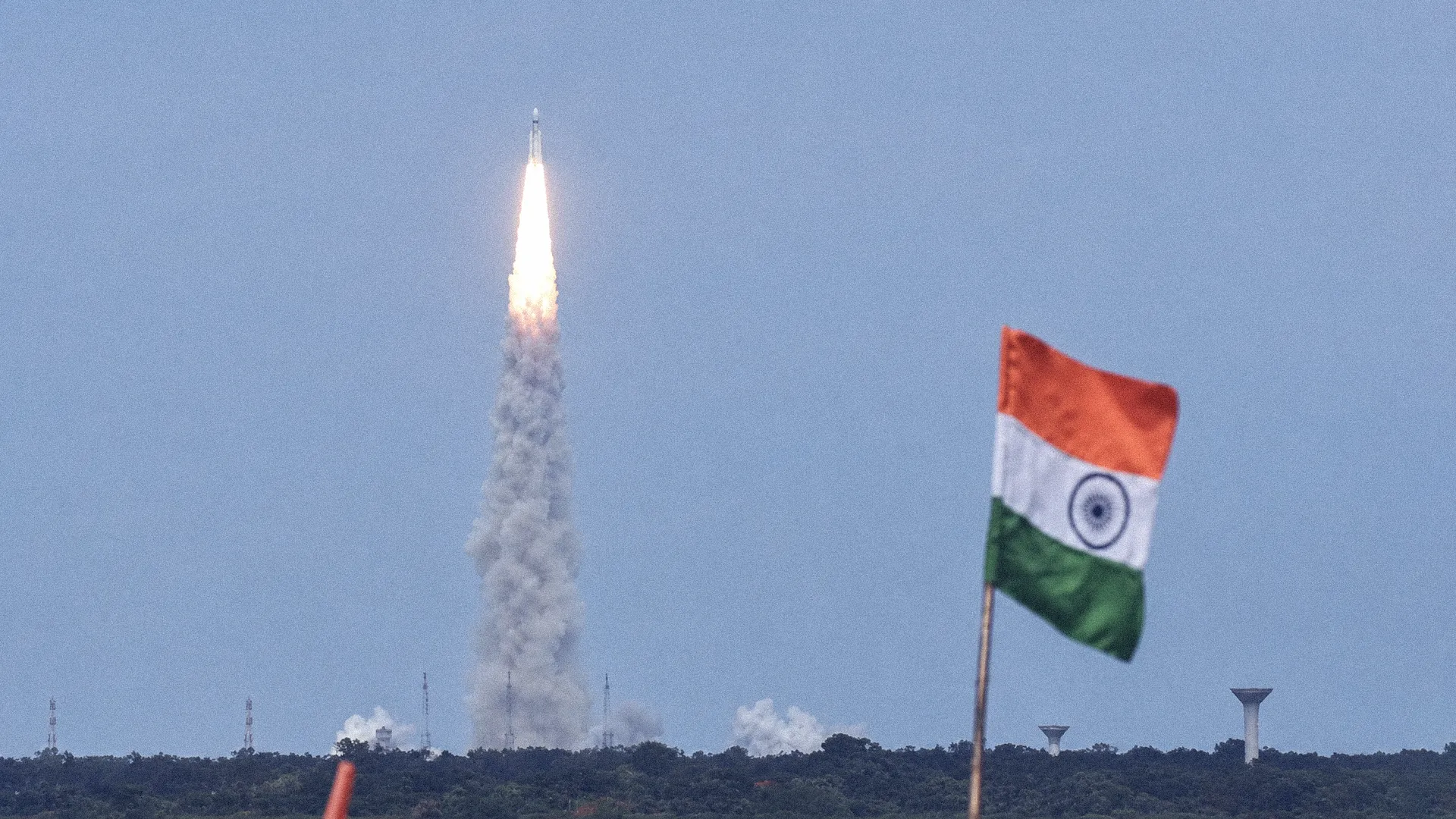
Various international reports have shown that India has achieved remarkable progress in defense production, missile technology, and space technology in recent years. Analysts suggest that this is establishing India as an emerging strategic and technological power, not only in South Asia but on a global level.
News has emerged that the Indian defense research organization, DRDO, has developed a new missile system capable of striking up to 1,500 kilometers. This is being viewed as a major achievement for Indian naval capabilities.
Similarly, India’s private space company "Skyroot" has become the country’s first space-tech unicorn. This indicates a rapid expansion of the private sector space industry in India. According to experts, India is now moving swiftly from government programs toward a private technology-based space economy.
India is also reported to have made significant growth in defense exports. According to some reports, India's defense exports have increased up to 25 times since 2017. Analysts believe this could make India a significant player in the global defense market in the future.

Interested in this ad?
Would you like to continue to the link or provide your information for more details?
Please provide your information
To continue, please fill in your details
India is also seen expanding strategic and defense cooperation with countries including Russia, Vietnam, and the UAE. India's activity in the Indo-Pacific region, maritime security, and the rare earth minerals sector is steadily increasing.
According to analysts, India’s growing defense and technological capabilities could have a long-term impact on the power balance of South Asia. Particularly as the China-India competition intensifies, it is estimated that small Himalayan nations like Nepal could reach a more strategically sensitive position.
For Nepal, India’s technological and defense progress is viewed as both an opportunity and a challenge. Experts state that while possibilities for regional infrastructure, technology, and space cooperation may increase, the challenge of maintaining diplomatic balance could also grow as military competition intensifies in South Asia.