An investigative report presenting the official asset disclosures of Cabinet members recently published by the Government of Nepal (Office of the Prime Minister and Council of Ministers - OPMCM) and their contributions to the Prime Minister's Disaster Relief Fund during natural calamities has been presented. Published pursuant to Section 50 of the Prevention of Corruption Act, 2059, this detail reveals the true picture of ministers' movable and immovable assets, gold and silver, stock investments, and their contributions during disaster times.
Comparative Table of Assets and Contributions
| Minister's Name | Ministry / Designation | Cash & Bank Balance | Gold / Silver | Immovable Property (House / Land) | Relief Fund Contribution (Salary + Additional) |
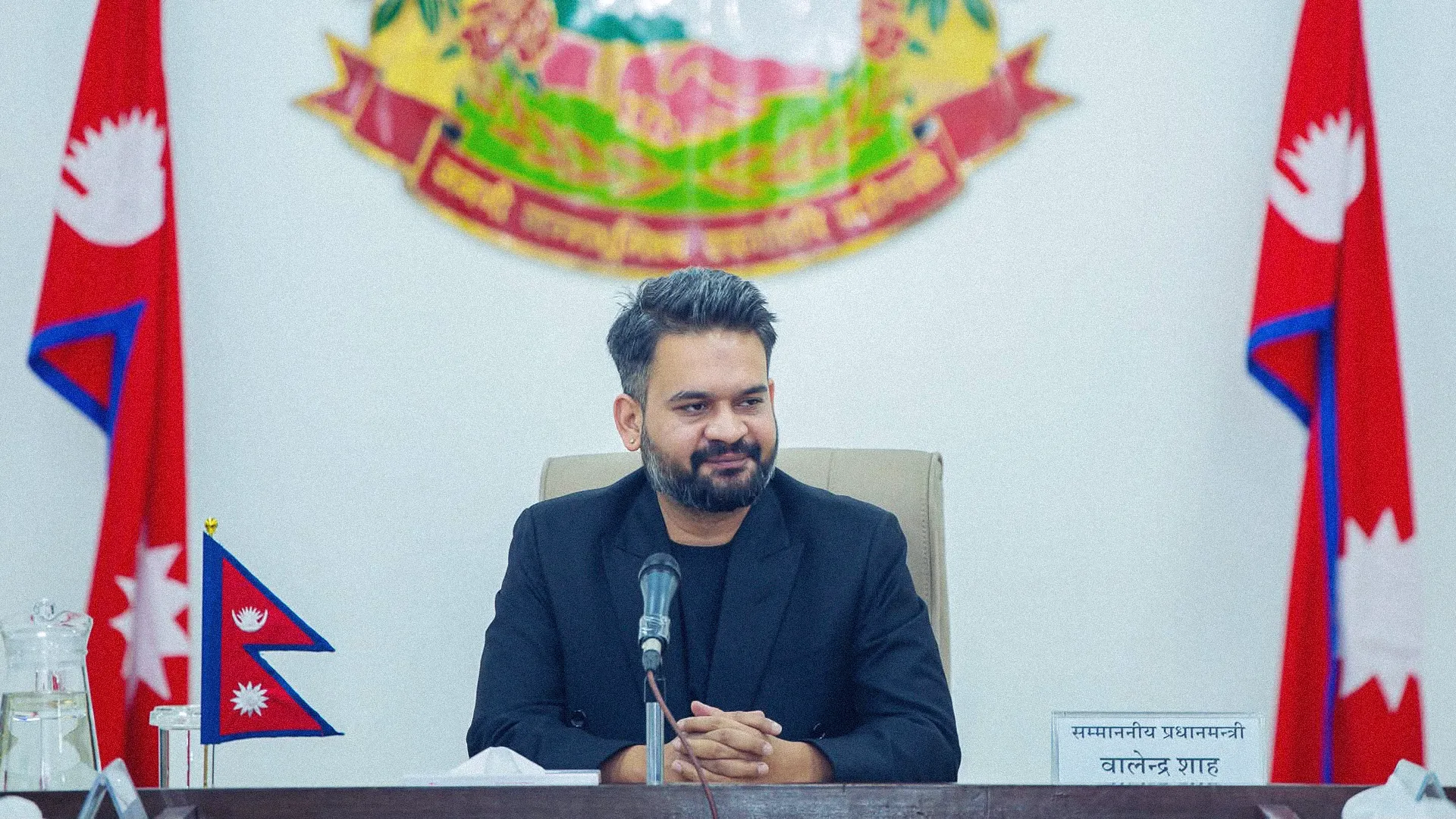
| Balendra (Balen) Shah | Prime Minister | NPR 14.6 million | 190 tolas gold (in wife's name) | No land in own name; family properties in Kathmandu, Dhanusha, and Mahottari | 1 month salary deduction & Cabinet relief decision |
| Dr. Swarnim Wagle | Finance Minister | NPR 19.0 million | 45 tolas gold | Immovable property worth over NPR 120 million in Bhaisepati, Sanepa, Dhulikhel, and Bandipur | 1 month salary deduction |
| Sudhan Gurung | Home Minister | NPR 6.1 million cash, NPR 43.1 million in shares | 89 tolas gold, 6 kg silver | 19 ropani 15 ana land in Dhankuta; 30 kattha in father's name in Chitwan | 1 month salary deduction |
| Sasmit Pokharel | Minister for Education, Science, and Technology | NPR 241.6 million (total assets) | Gold, silver, and diamond jewelry | House/land in family members' names in Kathmandu, Morang, and Lalitpur | 1 month salary deduction |
| Biraj Bhakta Shrestha | Minister for Energy, Water Resources, and Irrigation | NPR 7.9 million cash, NPR 14.5 million in shares | 15 tolas gold, 50 tolas silver | 2 houses and vehicles in Kathmandu | 1 month salary deduction |
| Shishir Khanal | Foreign Minister | NPR 1.0 million cash | 22 tolas gold, 25 tolas silver | House in Tokha and land in Tanahun, Nawalpur, and Nepalgunj | 1 month salary deduction |
| Sunil Lamsal | Minister for Physical Infrastructure Development | NPR 9.0 million cash | 30 tolas gold, 50 tolas silver | Houses and land in various locations including Kathmandu | 1 month salary deduction |
| Sobita Gautam | Minister for Law, Justice, and Parliamentary Affairs | Bank savings and stock investments | Gold, silver, and diamond jewelry | House in family name in Kathmandu and Chitwan | 1 month salary deduction |
Detailed Minister-wise Breakup
Prime Minister Balendra (Balen) Shah:
Cash/Bank Balance: NPR 14.6 million. Royalties received from digital platforms such as Facebook, YouTube, and Spotify are cited as income sources.
Gold/Silver: 190 tolas gold (stridhan/ancestral property received by wife Sabina Karki from Morang side).
Immovable Property: No house or land in his own name. Mother Dhruva Devi Shah owns 5 ana in Kathmandu-9 and 1.2 bigha in Dhanusha; father Ram Narayan Shah owns 9 bigha land in Mahottari.
Finance Minister Dr. Swarnim Wagle:
Cash/Bank Balance: NPR 19.0 million in various bank accounts. Additionally, share investments in Sanima Middle Tamor Hydropower, Shangri-la Development Bank, and other institutions.
Immovable Property: Residential properties and apartments worth over NPR 120 million in total (NPR 50 million house in Bhaisepati, NPR 20 million apartment in Sanepa, NPR 37.5 million apartment in Dhulikhel, and NPR 20 million land in Bandipur).

Interested in this ad?
Would you like to continue to the link or provide your information for more details?
Please provide your information
To continue, please fill in your details
Home Minister Sudhan Gurung:
Cash and Shares: NPR 6.1 million cash balance and share ownership worth NPR 43.1 million in hydropower and private companies.
Gold/Silver: 89 tolas gold and 6 kilograms silver (indicated as ancestral origin).
Immovable Property: 19 ropani 15 ana land in Dhankuta and 30 kattha land in father's name in Gunjanagar, Chitwan.
Education, Science, and Technology Minister Sasmit Pokharel:
Total Assets: Declared assets worth NPR 241.6 million (highest among ministers). Houses and lands worth over NPR 90 million in the names of parents in Kathmandu, Morang, and Lalitpur.
Impartial Analysis and Conclusion
A meticulous financial analysis of the disclosed asset details brings forward the following key points:
-
Source and Ownership of Immovable Property: Most ministers have listed house and land registrations in the names of fathers, mothers, or wives (stridhan) rather than their own. While this legally shows lower personal assets for the ministers, it confirms high financial status at the family level.
-
Legal Ambiguity in Asset Valuation: Although submitting details upon assuming office is mandatory under Nepal's Prevention of Corruption Act, mechanisms to independently monitor and investigate current market values and sources of declared immovable property remain weak.
-
Contribution to Disaster Relief Fund: In critical disaster situations, all ministers mandatorily deposited one month's salary into the Prime Minister's Disaster Relief Fund as per government decision. However, the tendency to voluntarily transfer additional personal amounts remains limited.
While submitting asset details is a positive step toward maintaining public transparency, regular monitoring of the sources of declared assets and updated tax payments is imperative for good governance.