


The first images telecast worldwide of the devastating flash flood that hit Nepal last week was a massive wall of dark water rushing forward to engulf the imposing concrete structures housing a border check-post between Nepal and Tibet and people scurrying away to escape a watery grave.
Satellite images of the key border crossing at Rasuwagadhi on the trade route between China and Nepal across the plateau of Tibet, released by an American software company, reveal the dramatic transformation of the site before and after the passage of the flash flood; the first image depicting the concrete buildings and the second showing mud and sludge covering the entire landscape, with no structure standing.
Eyewitnesses who could escape with their lives by running up stiff mountain faces have said that the torrent was a mass of water and mud towering 60 to 70 feet in height. Its speed has later been calculated at 167 kmph. Buses in which passengers had travelled to the border gate were cast away like toys.
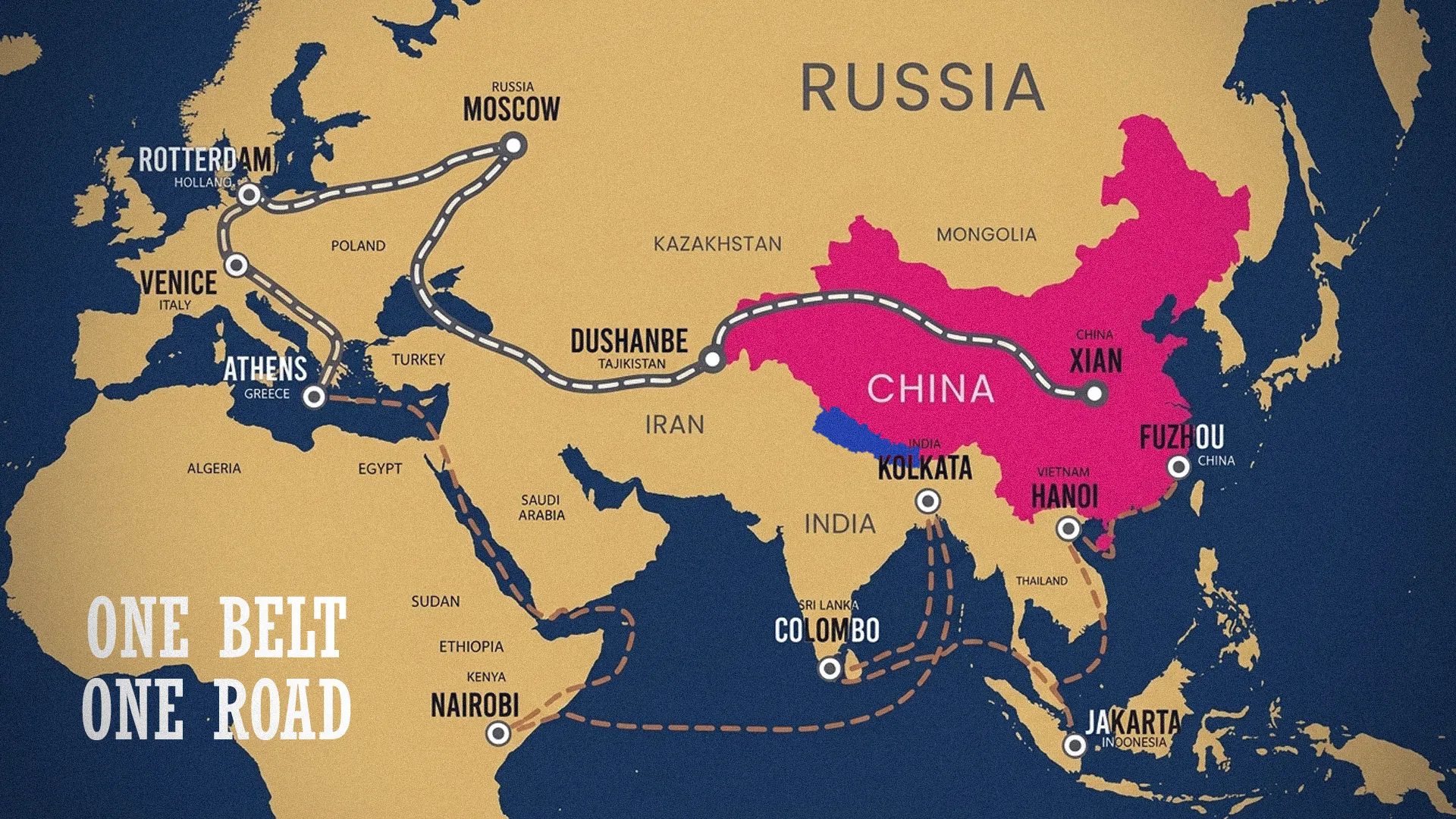
The flash flood in its wake has left not only a trail of devastation but also a clear message: Beijing’s plan to build roadways and railways across the Tibet plateau to extend its Belt and Road Initiative to Nepal and in the process to replace New Delhi as the main development partner of Kathmandu is nothing more than a pipedream.
The Madhesi agitation in the Terai region of southern Nepal in 2015 and the consequent disruption in the supply of essential commodities from India to Nepal had provided an opportunity to Beijing to step in and dangle to Kathmandu the prospect of using land routes through Tibet to access seaports in China. In 2017, a Belt and Road Initiative agreement between China and Nepal was signed. In October 2019, President of China Xi Jinping visited Nepal to give a fillip to the BRI projects. A Nepal – China protocol on transit and trade under which Nepal could use seven Chinese seaports and land ports for third country trade was signed in 2019. The centrepiece of a grandiose Chinese plan to build infrastructure in Nepal was the China – Nepal railway for which an MoU was signed in March 2022.
Subsequent experiences have proved that China’s promise to transform Nepal from a “landlocked to a land-linked country” was just playing with semantics. The first hiccup was in 2020. “Traders in Nepal have had a rough deal in the hands of China. They are the victims of a Chinese blockade and have incurred hefty losses,” wrote a section of the media in Nepal. “China stopped the entry to Nepal of about 2,000 containers with clothes, shoes, cosmetics, electronics and industrial raw material; using the pandemic as an excuse.”
Till 2021, Nepal was yet to receive a single consignment from any third country via China under the agreement. According to analysts, while the pro-China K. P. Sharma Oli government in Kathmandu had signed the deal, the will to do business with China was just not present in Nepal.
Now the flash flood has brought forward the obstacles that nature offers to trading on a large scale between China and Nepal across the high-altitude plateau of Tibet. The “Friendship Bridge” across BhoteKoshi river on the main Sino – Nepal trade route, between Rasuwagadhi in Nepal and Gyirong in Tibet, was the first to be washed away. A 42-km road stretch connecting Betrawati in the Nuwakot district of Nepal with Rasuwagadhi has also been severely damaged.

Interested in this ad?
Would you like to continue to the link or provide your information for more details?
Please provide your information
To continue, please fill in your details
There is another international gateway close by on the Tibet border between Nepal and China at Zhangmu. But this route, too, has proved to be vulnerable. Under the impact of the huge earthquake in Nepal in 2015, the road to the Zhangmu dry port, connecting with Kodari in Nepal, had to be closed and trade through the route remained suspended. The facilities at Zhangmu were destroyed.
The Rasuwagadhi border point has since emerged as the main route of trade and transit between Nepal and China. Gyirong in Tibet, the dry port on the Chinese side of this trade route, has also been badly hit by the flash flood. The BBC has said Tibet being the most strictly controlled country under Chinese control it has been difficult to assess damage on the Tibetan side of the border. But the situation is surely serious as Chinese Premier Li Qiang visited the area personally within a day of the disaster.
Chinese experts have been quoted that the massive mudslide has severely affected the dry port at Gyirong and will not allow the trade between China and Nepal. In fact, the vulnerability of this axis to floods was exposed in 2025 too. In July that year, a glacial lake outburst 35 km upstream of Tibet sent surging water down the BhoteKoshi river, destroying the Friendship Bridge and halting border traffic for months. The two main overland routes from Nepal to China run through steep, unstable terrain, along fast flowing rivers. A Rasuwa official has been quoted describing landslides as “frequent” and the road as one that “goes on and off during monsoon.”
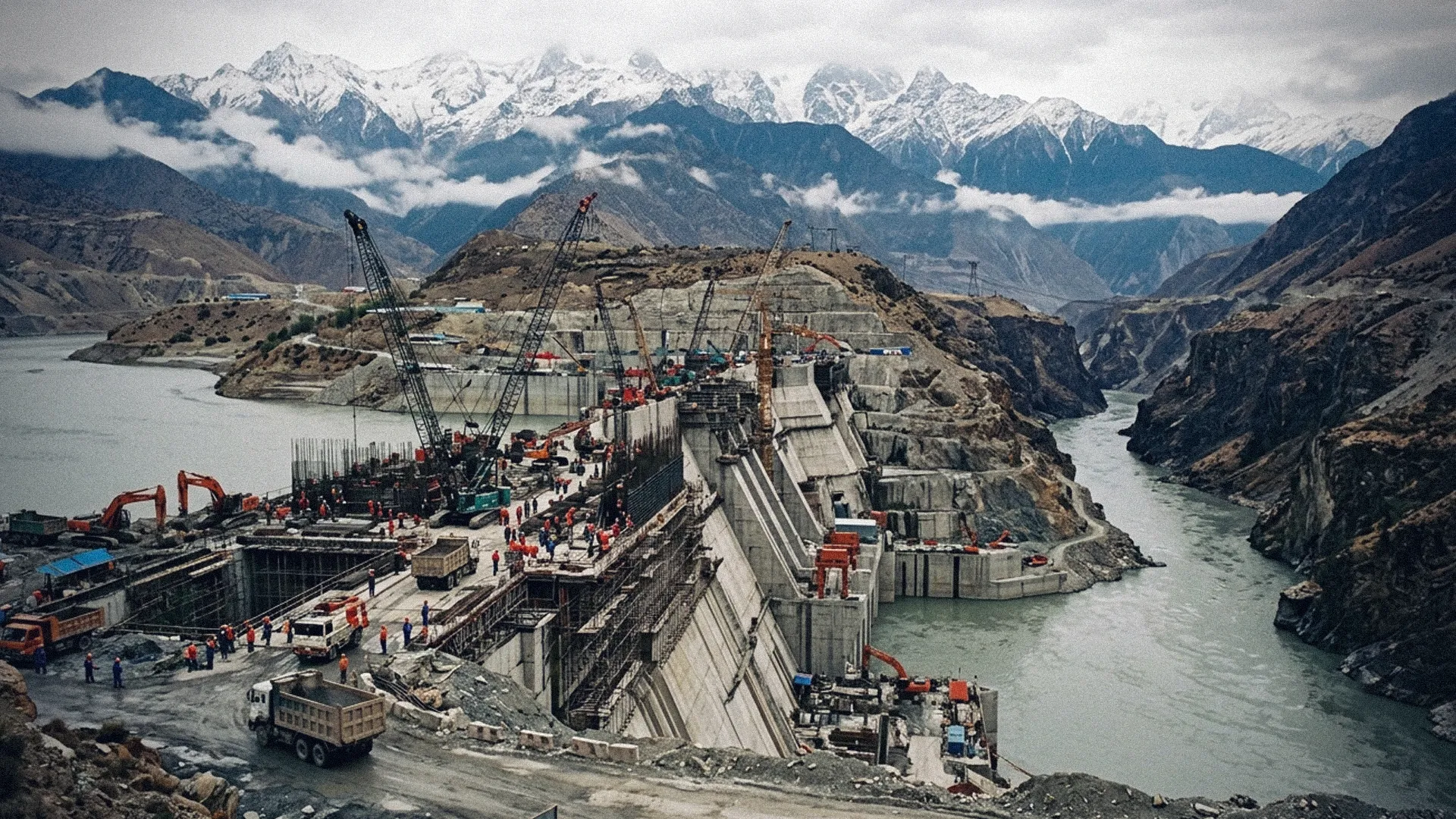
The proposed China – Nepal railway, designed to extend from Shigatse through Gyirong to Kathmandu, will pass along Gyirong – Rasuwagadhi axis. But, this flash flood has exposed some vulnerabilities of this route as a railway corridor. In the wake of the disaster, Chinese experts are debating that the proposed railway should be run through tunnels for most of the route. Unfortunately, in the estimate of the National Disaster Risk Reduction and Management Authority of Nepal, 933 workers were missing in the tunnels of hydro power projects under construction in the area. Even tunnels are not safe in the face of nature’s fury in these areas.
Meanwhile, the reality has been accepted by Kathmandu that China cannot replace India as the main development partner of Nepal. Nepal needs India to get access to seaports, to get its supplies of refined petroleum, iron and steel, pharmaceuticals and other essentials. India continues to be the largest trading partner of Nepal and its largest source of foreign direct investment, accounting for about two-thirds of the total trade volume of Nepal.
In energy cooperation, India has helped Nepal to set up a number of hydro power plants, including the 900 MW Arun-3 project, the largest in Nepal.Tribhuvan Highway connects Raxaul on the Indo – Nepal border with Kathmandu. The National Highway that connects Barabanki in Uttar Pradesh, India, to Nepalganj on Indo-Nepal border is being widened to a four-lane highway.
The 52-km Jaynagar – Kurtha – Bijalpura cross border railway link from Jaynagar in India to Kurtha and Bijalpura in Nepal is the first modern railway service in Nepal. The final location survey and detailed project report for a broad-gauge railway link from Raxaul to Kathmandu has already been completed.