

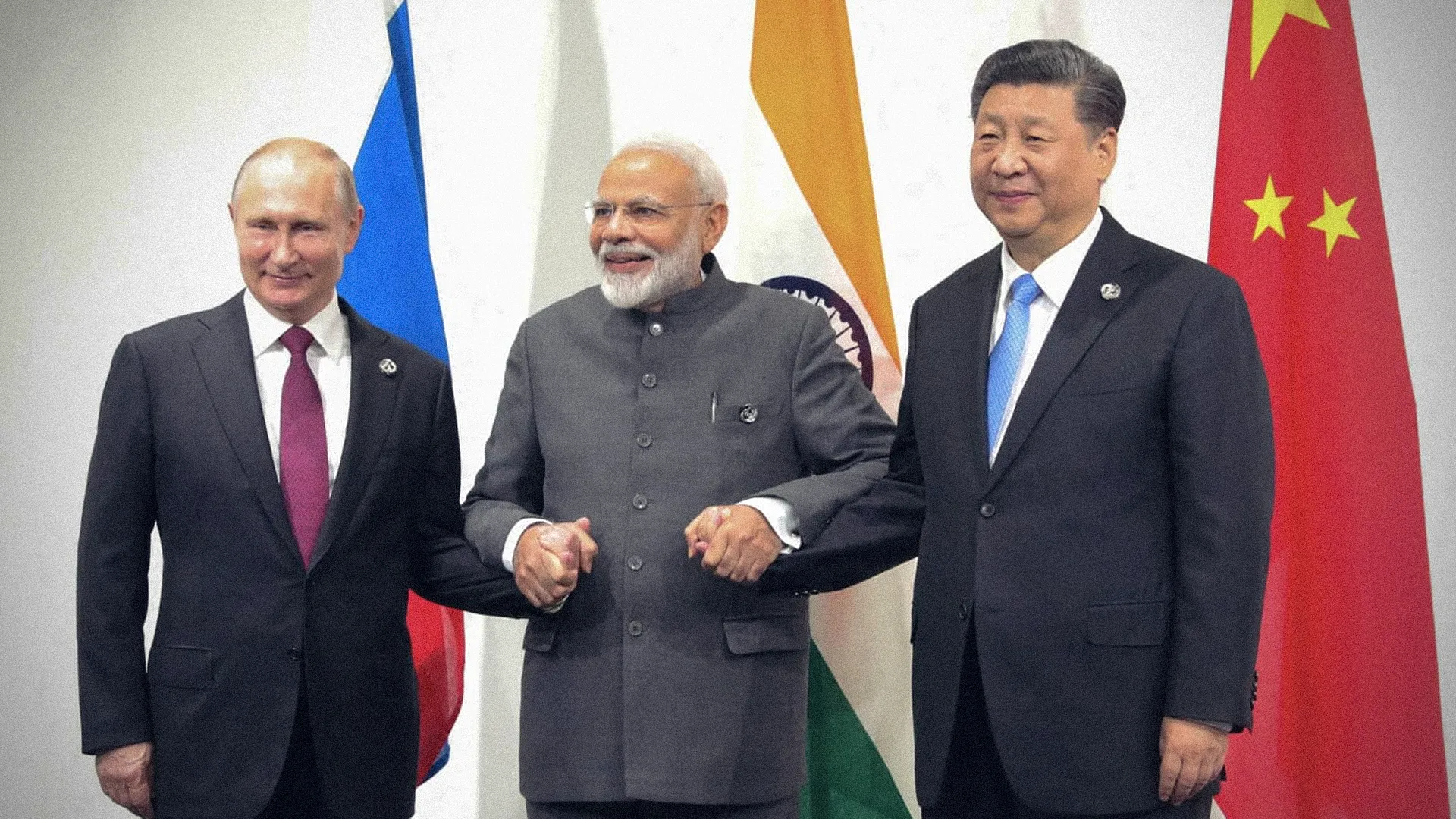
India has adopted a strategy to advance its relations with China and Russia by balancing them according to its national interest rather than treating them as alternatives to each other. In multilateral forums like BRICS, India is trying to manage competition with China on one hand and maintain its traditional strategic relationship with Russia on the other.
Although China is one of the most significant regional challenges for India, economic ties and areas of multilateral cooperation also exist between the two countries. Despite border disputes and strategic competition, India has been attempting to keep tensions under control through dialogue.
With Russia, however, India's defense, energy, and strategic cooperation have been maintained for a long time. Even as Western sanctions on Russia increased after the Ukraine war, India has maintained its relationship with Moscow by prioritizing its energy security and national interest.

Interested in this ad?
Would you like to continue to the link or provide your information for more details?
Please provide your information
To continue, please fill in your details
India's role in BRICS is an example of this strategic balance. Rather than relying solely on the influence of China or Russia, India has prioritized strategic autonomy to make decisions based on its own national interest.
This balanced diplomacy of India has provided it with opportunities to expand relations simultaneously with Western powers, Russia, and the Global South. In the changing balance of global power, such multidimensional diplomacy appears crucial for India to continuously expand its influence.