


In a decisive move to reshape geopolitical dynamics in the Indo-Pacific, India and New Zealand formally elevated their diplomatic ties to a "strategic partnership" on Saturday. The comprehensive agreement aims to broaden bilateral cooperation across multiple sectors, including defense, maritime security, trade, and technology. This development comes as regional leaderships increasingly seek stability amid shifting security environments.
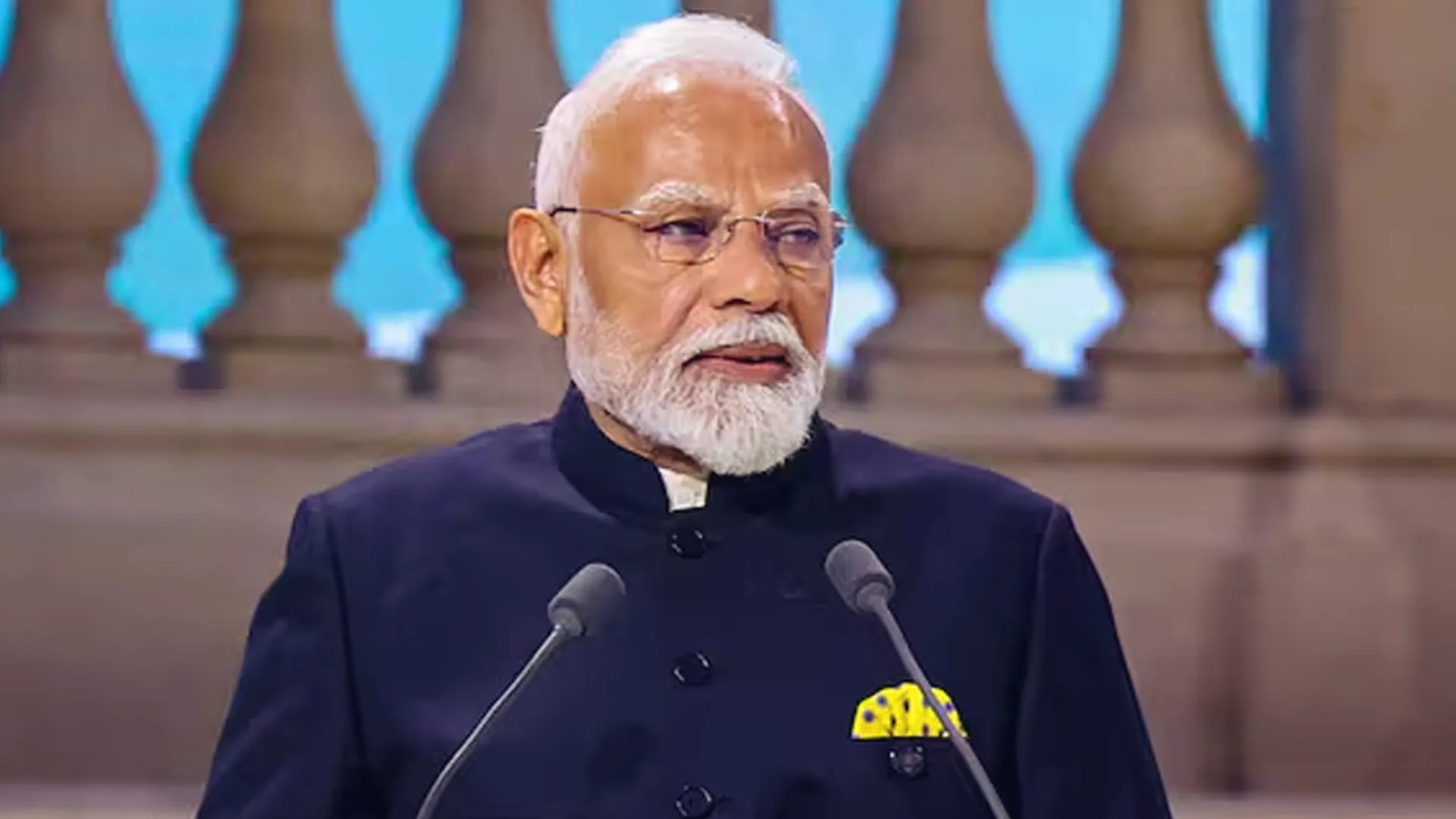
The consensus was reached during the final leg of Indian Prime Minister Narendra Modi's multi-nation tour, which included stops in Indonesia and Australia from July 6 to July 11. Marking the first visit by an Indian head of government to New Zealand in forty years, the trip underscores New Delhi's revitalized diplomatic outreach in the Pacific, a region currently observing heightened geopolitical competition.
Upon his arrival at Government House in Auckland, Prime Minister Modi was received by New Zealand's Prime Minister Christopher Luxon with a traditional Maori welcome and a ceremonial Guard of Honor. Prime Minister Luxon highlighted that the newly minted partnership infuses the relationship with a fresh trajectory and broader scope, building upon the Free Trade Agreement signed between the two nations last April. He framed the evolving trade architecture as a vital vehicle for mutual economic prosperity.

Interested in this ad?
Would you like to continue to the link or provide your information for more details?
Please provide your information
To continue, please fill in your details
Describing the upgraded bilateral status as a milestone that instills greater confidence and energy, Prime Minister Modi emphasized that shared democratic principles inherently position the two nations as natural allies. According to a joint statement released by the leaders, the strategic roadmap specifically outlines enhanced naval exercises, diplomatic alignment, and deeper collaborative efforts in science, culture, and sports.
This diplomatic realignment reflects a shared vision for maintaining an open, tranquil, and prosperous Indo-Pacific. As both nations commit to institutionalizing these defense and economic frameworks, the partnership is poised to serve as a cornerstone for future stability and regional integration in the coming years.