


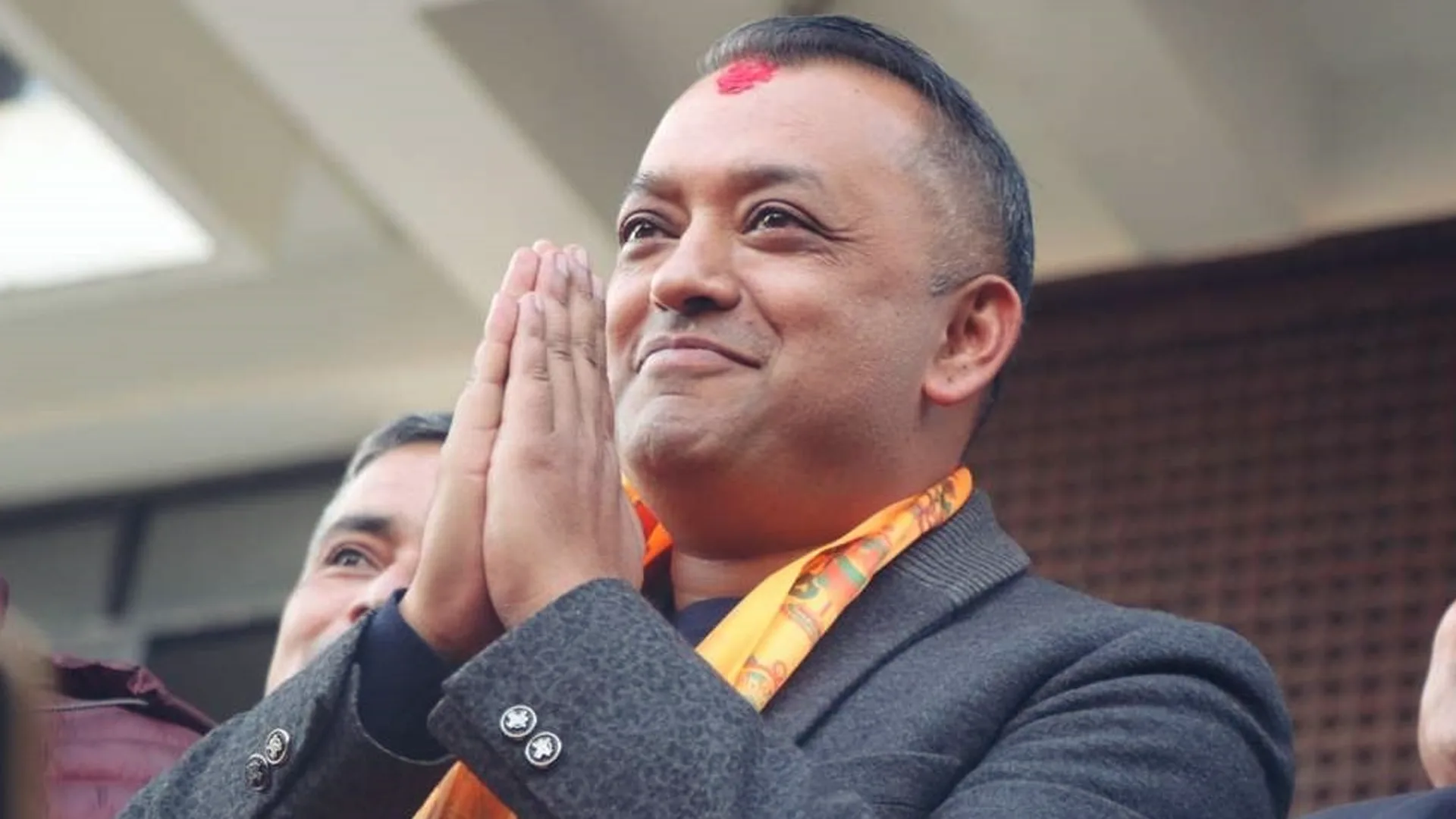
Gagan Thapa's recent resignation from the presidency of the Nepali Congress is poised to be unequivocally rejected, securely blocked by a leadership committee comprised exclusively of his own loyal appointees. Rather than signaling a genuine leadership transition, the resignation highlights the impenetrable political firewall Thapa has built around his position.
The impossibility of his departure stems directly from the outcomes of the party's recent special general convention. Bypassing standard democratic internal electoral processes, Thapa utilized his discretionary power to unilaterally nominate the current roster of office bearers without facing any competitive internal elections.

Interested in this ad?
Would you like to continue to the link or provide your information for more details?
Please provide your information
To continue, please fill in your details
Because every member of the central committee holds their position through Thapa's direct endorsement, there is no internal faction capable or willing to accept his step-down. The committee operates strictly as an extension of his own political will, making any endorsement of his exit highly improbable.
Ultimately, this self-curated ecosystem of party loyalists guarantees that his resignation will merely serve as a procedural footnote. The central committee's inevitable refusal to accept his departure ensures Thapa will seamlessly continue his tenure at the helm of the Nepali Congress.