


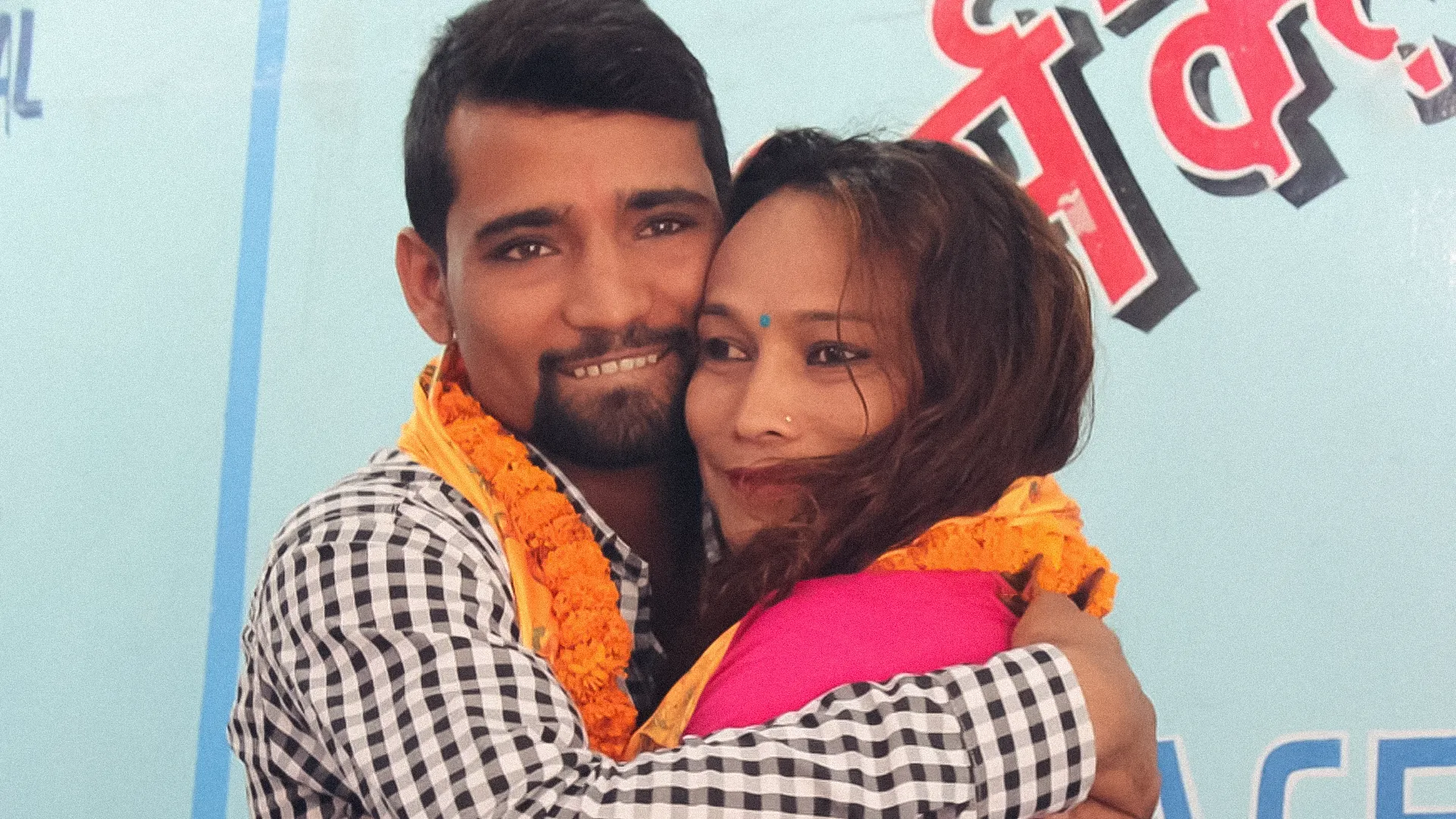
What happens when a person’s deepest truth collides with rigid social systems? For Monica Shahi of Kailali, the answer was years of isolation, bureaucratic resistance, and a relentless fight for dignity.
Born biologically male and named Manoj, Monica spent much of her life trapped between who society demanded she be and who she knew herself to be. Her mannerisms, emotions, and sense of self aligned with womanhood, yet she lacked the language, legal recognition, and social acceptance to express it openly.
The conflict followed her into school, family life, and public spaces. Classrooms became sites of humiliation, neighbourhoods turned hostile, and even her siblings faced ridicule because of her perceived difference. The emotional toll was severe, at times pushing her toward thoughts of self-harm.
Clarity came only later, after Monica learned about third-gender identities and connected with others like herself through advocacy organisations, including the Blue Diamond Society. With that understanding came resolve — and a direct confrontation with the state.

Interested in this ad?
Would you like to continue to the link or provide your information for more details?
Please provide your information
To continue, please fill in your details
When she applied for citizenship at the District Administration Office in Kailali, Monica refused to identify as male or female, marking herself as third gender. The application stalled. Officials demanded proof of her gender identity — a requirement never imposed on applicants identifying as male or female.
Despite the setback, Monica persisted, questioning how the state could demand evidence of something so deeply personal. Her determination paid off. She eventually received Nepali citizenship recognising her as third gender, followed later by a passport marked with “O” for “Other,” making her the first Nepali to receive such a document.
Her victory, however, was not only personal. It opened administrative pathways for others and exposed gaps between constitutional guarantees and on-the-ground practices. Nepal’s constitution explicitly prohibits discrimination based on gender identity, and courts have recognised third-gender rights, including marriage.
Today, Monica’s story stands as both a warning and a beacon — a reminder of the cost of silence and the power of resistance. Once consumed by questions of existence, she has become a public voice urging others not to hide. For her, rights are not granted quietly; they are claimed through courage.