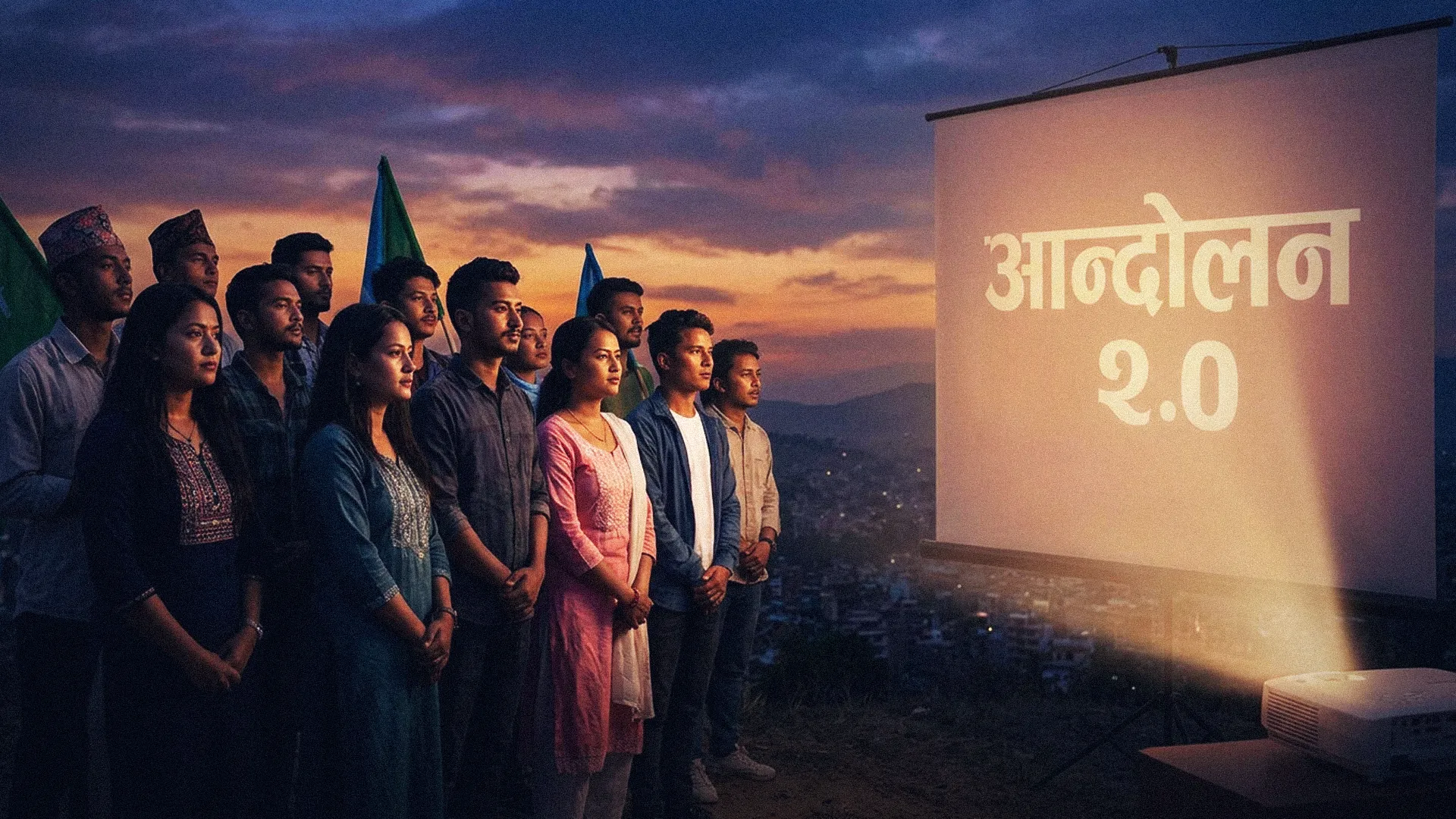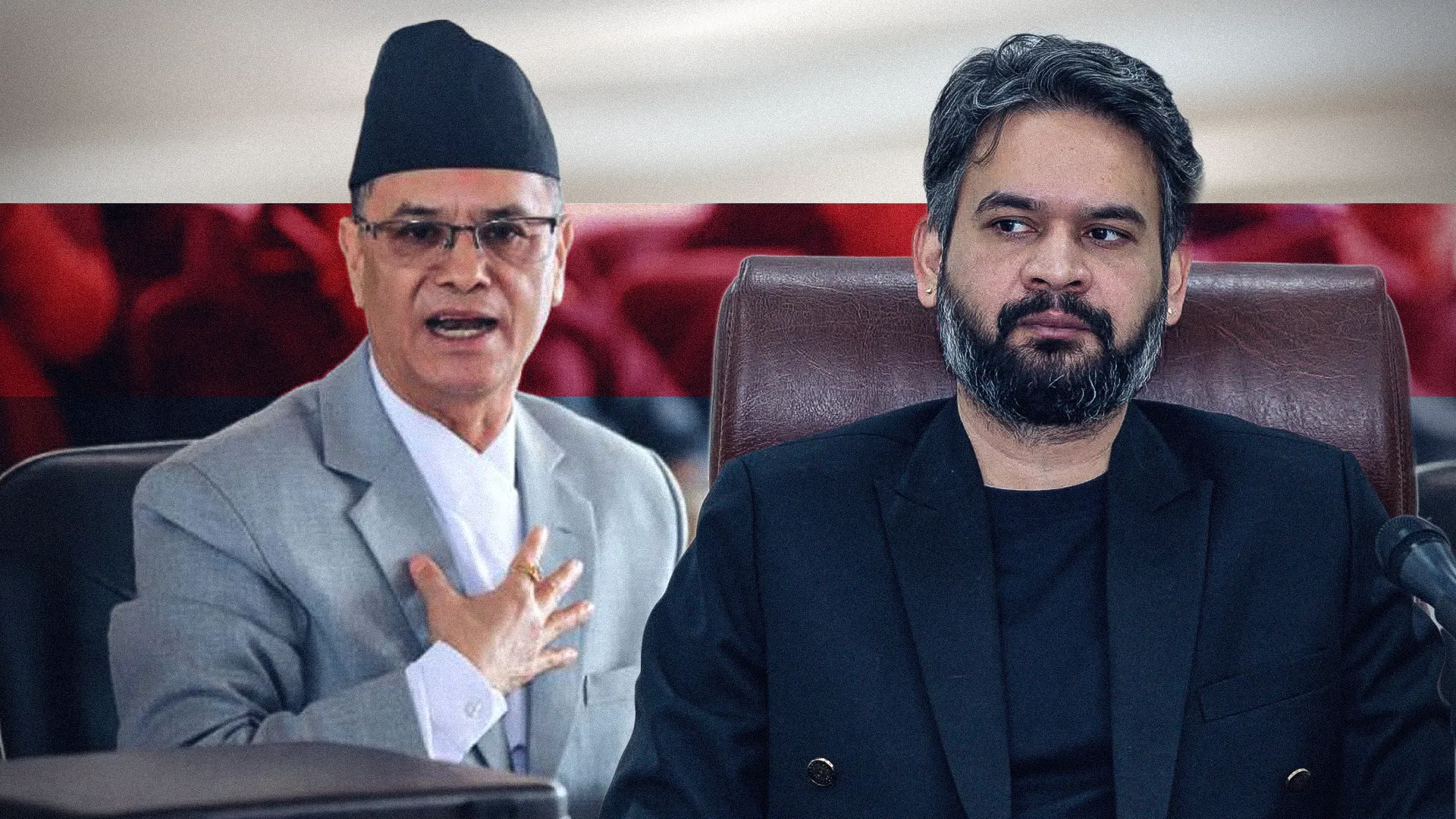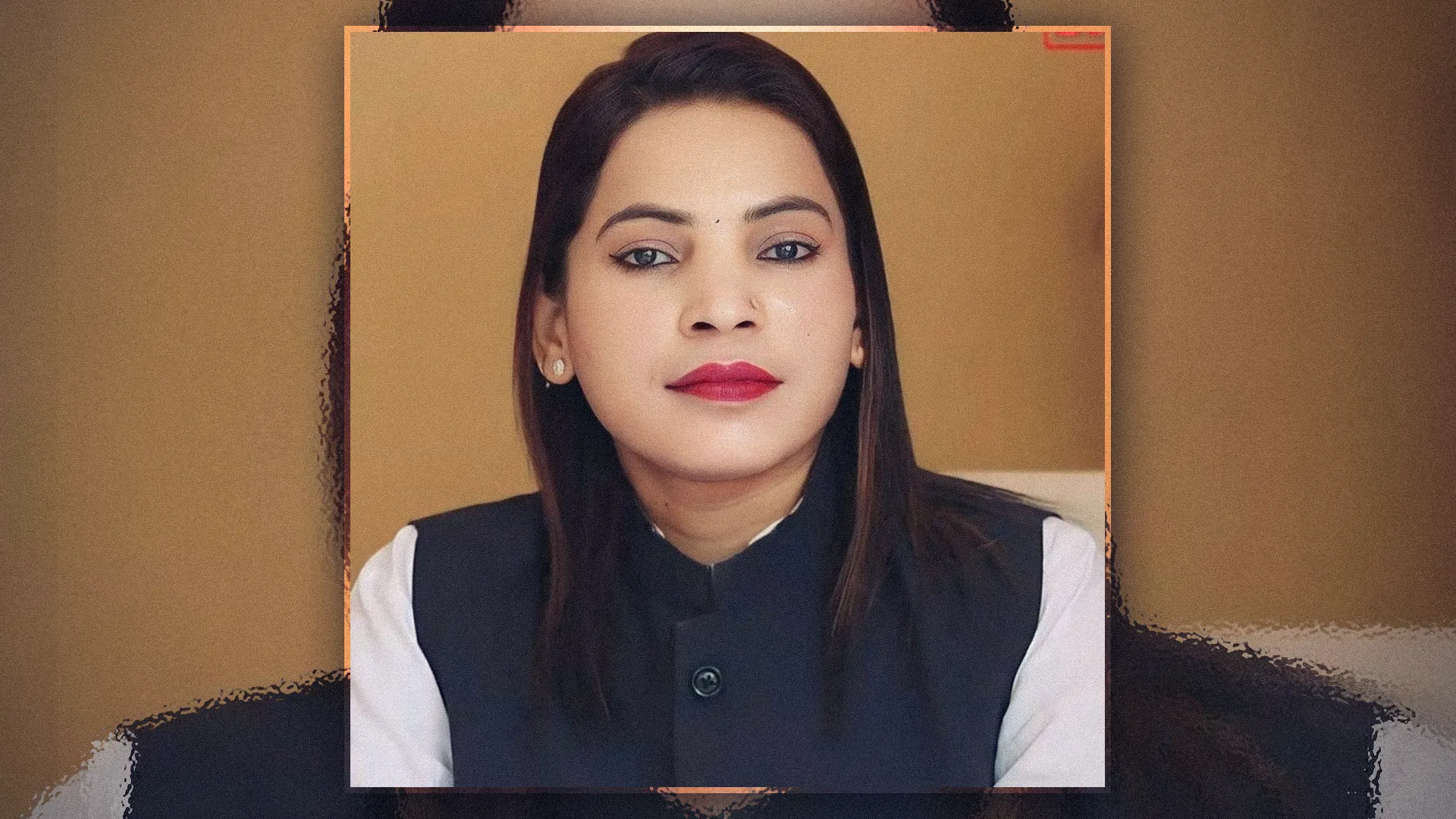



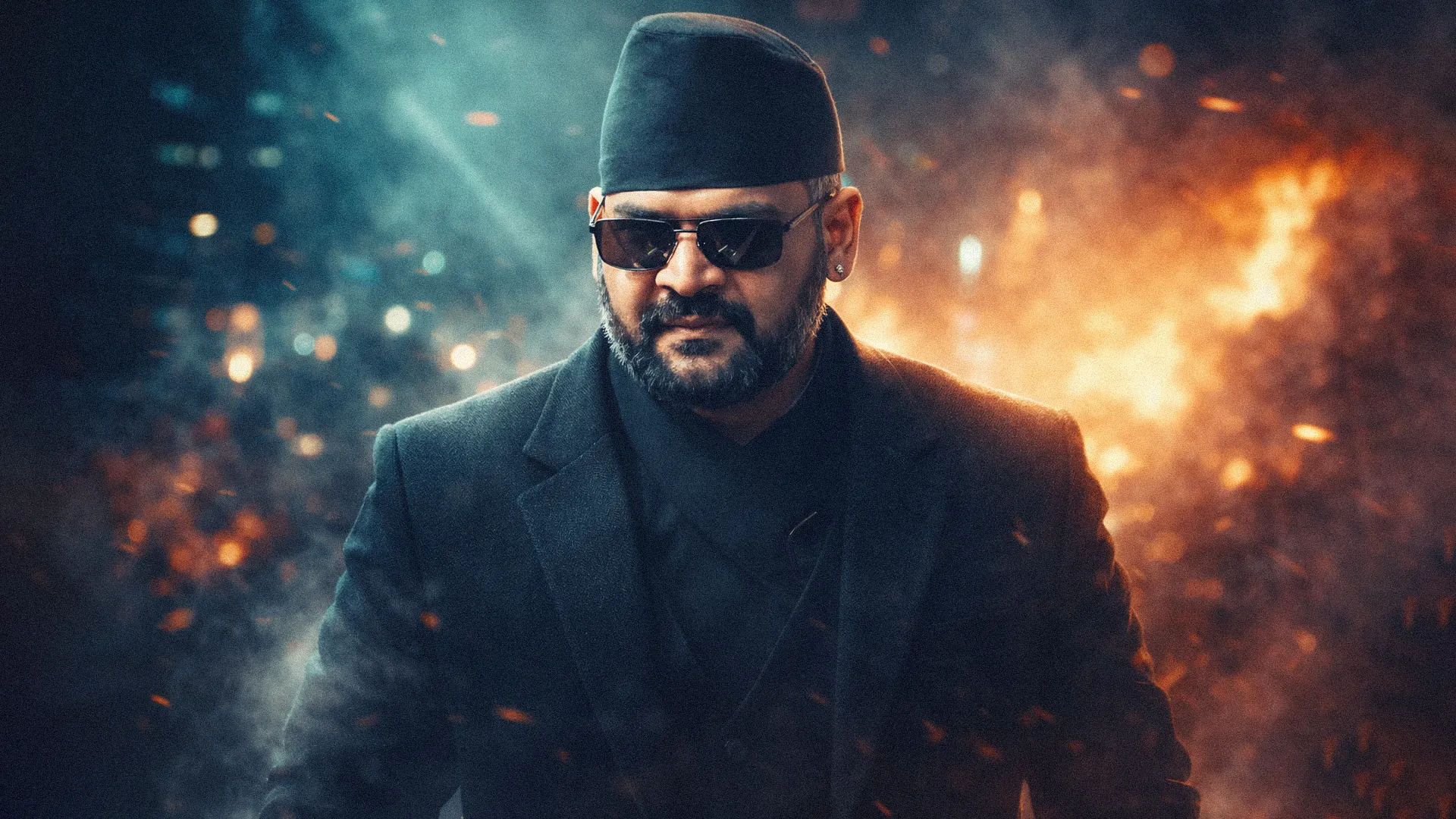
In the rhetorical landscape of the Federal Democratic Republic of Nepal, "Balen" has transcended its human origins to become a living antonomasia—a strict metaphor representing the ultimate agent of disruption. Used here not as a reference to a specific political figure, but as an allegory for any citizen, institution, or radical thought challenging the establishment, Balen is the fierce spark that ignited the Gen Z uprisings. Balen is the institutional machinery that conducted the polls, and the audacious insurgent who contested, conquered, and ultimately ascended to become Prime Minister. Yet, in this relentless crucible of progress, a devastating and beautiful paradox has emerged: Balen is now at war with Balen. It is Balen the state who displaces Balen the citizen from the sprawling slum settlements; Balen the enforcer who issues fines on the city streets; and, tragically, a desperate Balen who self-immolates in the ultimate, fiery act of defiance against a system they themselves birthed. We are witnessing a society locked in a profound ideological collision where the rebel, the ruler, the oppressor, and the oppressed are entirely indistinguishable—because today, in this allegory of our times, every beating heart, every shattered rule, and every radical thought in Nepal is Balen.
Yet, to truly comprehend this living metaphor, we must first look at the literal man who birthed it. To legally narrow our rhetorical lens and ground this antonomasia in reality, let us recalibrate: in the global context, the flesh-and-blood "Balen" strictly defines the Ruler—the Prime Minister. He embodies an unfathomable paradox: raw, anti-establishment street art occupying the absolute pinnacle of state power. This collision of hip-hop culture and supreme executive authority is often incomprehensible to the outside world, a disbelief I experienced firsthand on foreign soil.
That disbelief manifested shortly after I had checked out of my hotel and was waiting inside the front compound for a friend to pick me up. Soon, a group of people gathered nearby, waiting for their own departure bus. From among them, a boy who looked faintly familiar approached and loudly said, "Hello." I replied politely and remained quiet until a gentlewoman standing next to me smiled warmly, explaining that they were leaving soon and gently adding that the boy had Down syndrome. I nodded in reassurance, sharing a moment of quiet, mutual respect, as I was already familiar with the condition and had recognized the traits.
This quiet respect was soon interrupted when the boy approached me again, his curiosity piqued. "Do you know rap?" he asked eagerly, and when I replied that I did, he followed up with, "Do you listen to Eminem?" I admitted that I did not, which caused his eyes to widen in shock; to him, knowing rap but not Eminem was an impossible contradiction. I smiled and offered my defense: "We have a rapper Prime Minister in Nepal." Overhearing this, the rest of the group visibly scoffed, exchanging words in their local language with a tone laced with polite disbelief and mild amusement. To them, the idea of a head of state dropping bars was a ridiculous joke.

Interested in this ad?
Would you like to continue to the link or provide your information for more details?
Please provide your information
To continue, please fill in your details
Determined to prove that this 'joke' was our national reality, I pulled out my phone, opened YouTube, and played a track by Balen. The language barrier was instantly broken by the beat; they did not understand a single Nepali word, but they nodded along, undeniably enjoying the flow and the energy. Still, they refused to believe that the young, commanding artist on the screen held the highest executive office in my country. Skeptical, they pulled out their own phones and Googled it, and as the search results loaded, their skepticism vanished. They were forced to believe the internet's confirmation of this impossible truth, and when their bus finally arrived, their initial mockery had given way to genuine awe, leaving these music lovers with a profound new respect for the ultimate, ruling Balen.
Their astonishment abroad mirrors our own recent past at home, for just one year ago, we were the skeptics. We refused to believe that an independent, anti-establishment voice could win a massive general election, let alone ascend to the office of Prime Minister, yet the impossible became our reality. Today, much like the foreigners outside that hotel who could not fathom a rapper running a country, we refuse to believe that our ultimate ruler could ever devolve into a dictator, and we must fiercely hope that he never will. Instead, I choose to believe that the literal Balen will remain a champion of true democracy, honoring the very liberties that allowed his historic rise: freedom of speech, uncompromised human rights, and an absolute defense of press freedom.
Under such democratic leadership, the doors of opportunity must swing open for every citizen of Nepal, paving the way for a prosperous and secure nation where everyone can finally thrive. When this vision is realized, the tragic paradox—the state of war between "Balen the state" and "Balen the citizen"—will come to an end, replaced by a society where the people find true, equitable justice in a modern Ram Rajya steered by Balen. But achieving this requires an unwavering demand: Nepal must remain an uncompromisingly democratic state where absolute authority flows directly from the people, where sovereign power is strictly limited by the rule of law, and where fundamental rights are fiercely protected for everyone, without exception. Balen was born from the people's collective desire for radical change, and as long as he governs by these democratic pillars, the nation will stand behind him. However, the mandate of the people is conditional and unforgiving; if the ruler forgets his origins, oversteps the law, or suppresses the voices that crowned him, the citizens who built the establishment possess the exact same power to dismantle it. If the promise of democracy is broken, the ruler must be ready for termination.