


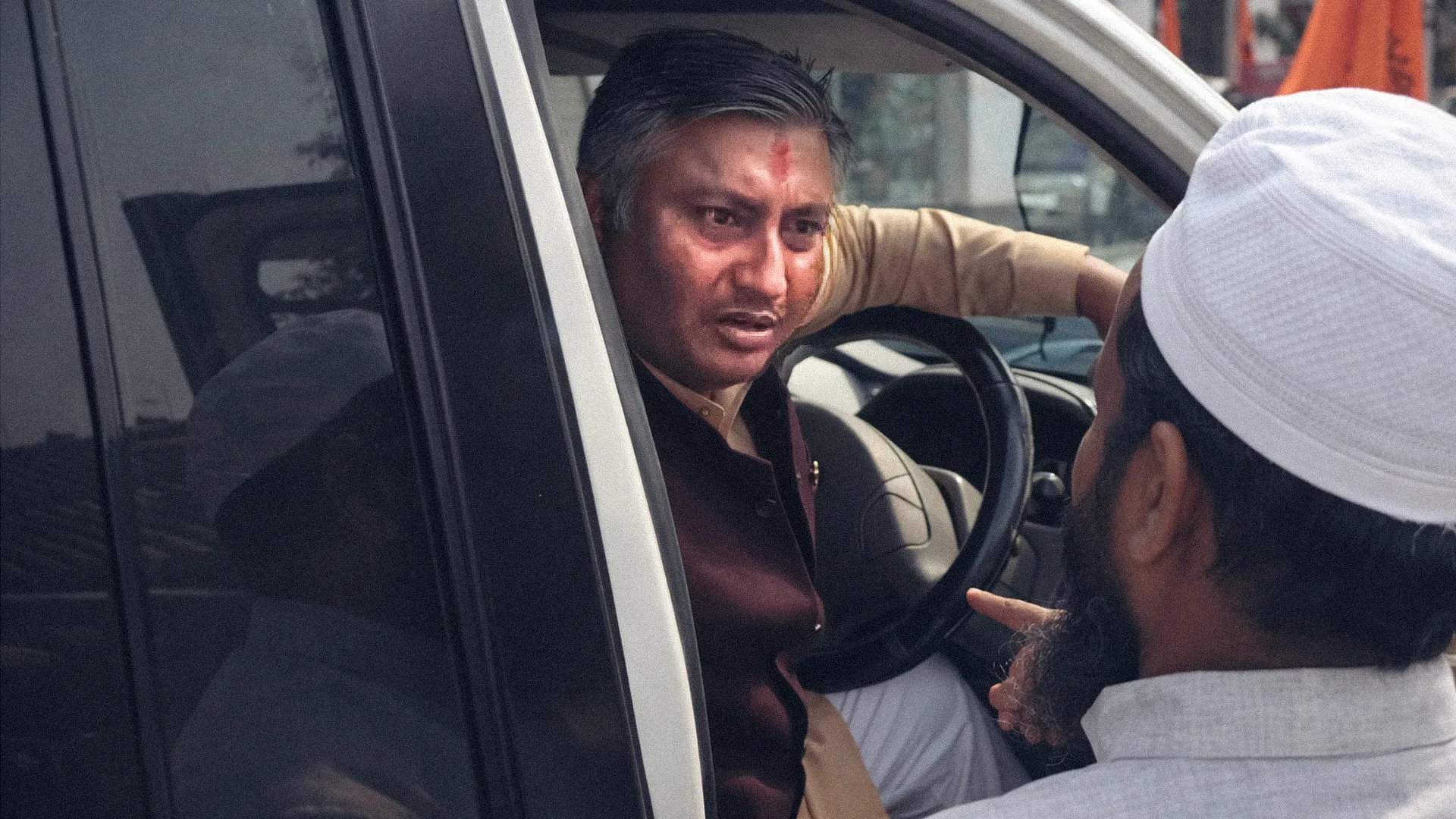
– Binay Yadav, Central President, Rastriya Ekata Dal
Nepal is known as a unique example of coexistence among diverse castes, languages, cultures, and religions. Bearing the identity of a land of penance and a land of gods, this nation has built a foundation of social harmony by preserving Sanatan Hindu philosophy, Vedic traditions, Buddhist thought, and local cultures with equal respect for centuries. For this very reason, Nepal has been recognized worldwide as a common home of religious tolerance and cultural diversity.
However, the events of the past few decades have raised a serious question. The killings, violent attacks, and disappearances of several religious and social leaders who publicly raised their voices in favor of their original religion, culture, and Sanatan identity have created a deep sense of anxiety and insecurity within the Sanatan society.
Incidents involving Pandit Narayan Pokhrel of Rupandehi, Kashinath Tiwari of Birgunj, Sant Sriram Sah Teli of Rautahat, Sant Sri Mahangu Kewat of Nawalparasi, Dev Poudel of Dhangadhi, Kiran Budhathoki and Arun Budhathoki of Banke, Omprakash Mehta and Jayaprakash Mehta of Sunsari, Arun Yadav of Kapilvastu, Radheshyam Patel of Bara, and the disappearance of Umesh Patel from Birgunj remain topics of intense discussion and concern in society today. The questions raised regarding the investigation, the search for truth, and the judicial process of these incidents have not subsided over time; rather, they seem to be deepening among the affected families, local communities, and stakeholders.
Any murder or violent attack on a religious or social leader is not just a crime against an individual but a direct challenge to the state's peace and security system. It is natural for the state mechanism to become active after such incidents. However, according to critics, while steps like all-party meetings, curfews, and appeals for harmony and brotherhood are taken in the initial stages, the investigation eventually slows down, fails to reach the depth of the incident, and victims repeatedly fail to experience justice.
In Nepal, political systems have changed, the constitution has been replaced, and governments have come and gone. From the monarchy to the republic, from old political forces to new political parties, various factions have taken on the responsibility of governance. Yet, the question remains as to why impartial investigations and the assurance of justice regarding such incidents related to the Sanatan faith have not yielded the expected results.

Interested in this ad?
Would you like to continue to the link or provide your information for more details?
Please provide your information
To continue, please fill in your details
The Constitution of Nepal grants every citizen the right to preserve, practice, and promote their religion, culture, and traditions. Under these circumstances, raising a voice to protect one's religious faith, original culture, or civilization cannot be a crime. If a situation has arisen where citizens feel unsafe speaking about their religious identity, it is a matter of grave concern for a democratic system.
In this context, debates are taking place from various angles regarding the state's priorities, the effectiveness of the security mechanism, and external influences. The answers to such questions cannot be provided through assumptions, suspicions, or accusations, but only through a transparent, impartial, and credible investigation.
Every new government expresses a commitment to good governance, the rule of law, and justice. But the true test of these commitments lies in the investigation and judicial process of such sensitive incidents. If incomplete investigations of the past remain overshadowed, victim families do not get answers, and culprits—whoever they may be—are not brought to justice, merely changing the government cannot restore public trust. The credibility of governance is established by the experience of justice, not by speeches.
True religious tolerance does not mean remaining silent when violence is inflicted upon any community. Tolerance becomes meaningful only when the state conducts an impartial investigation of every crime, regardless of the victim's religion, caste, or ideology, and punishes the guilty according to the law.
Therefore, it is the need of the hour to conduct an independent, impartial, and high-level inquiry into past suspicious murders, violent attacks, and disappearances, and to make the truth public. Justice is not merely a court verdict; it is also the process of reviving trust in the state within the hearts of the victims' families.
As long as the truth of such incidents is not exposed, the guilty are not brought to justice, and the victims do not experience justice, these questions will continue to arise in society time and again. If Nepal wants to establish itself as a democratic nation based on religious freedom, the rule of law, and justice, then in such sensitive cases, silence should not be the answer. Impartial investigation, transparency, and a just execution of the law must become the state's greatest responsibility.