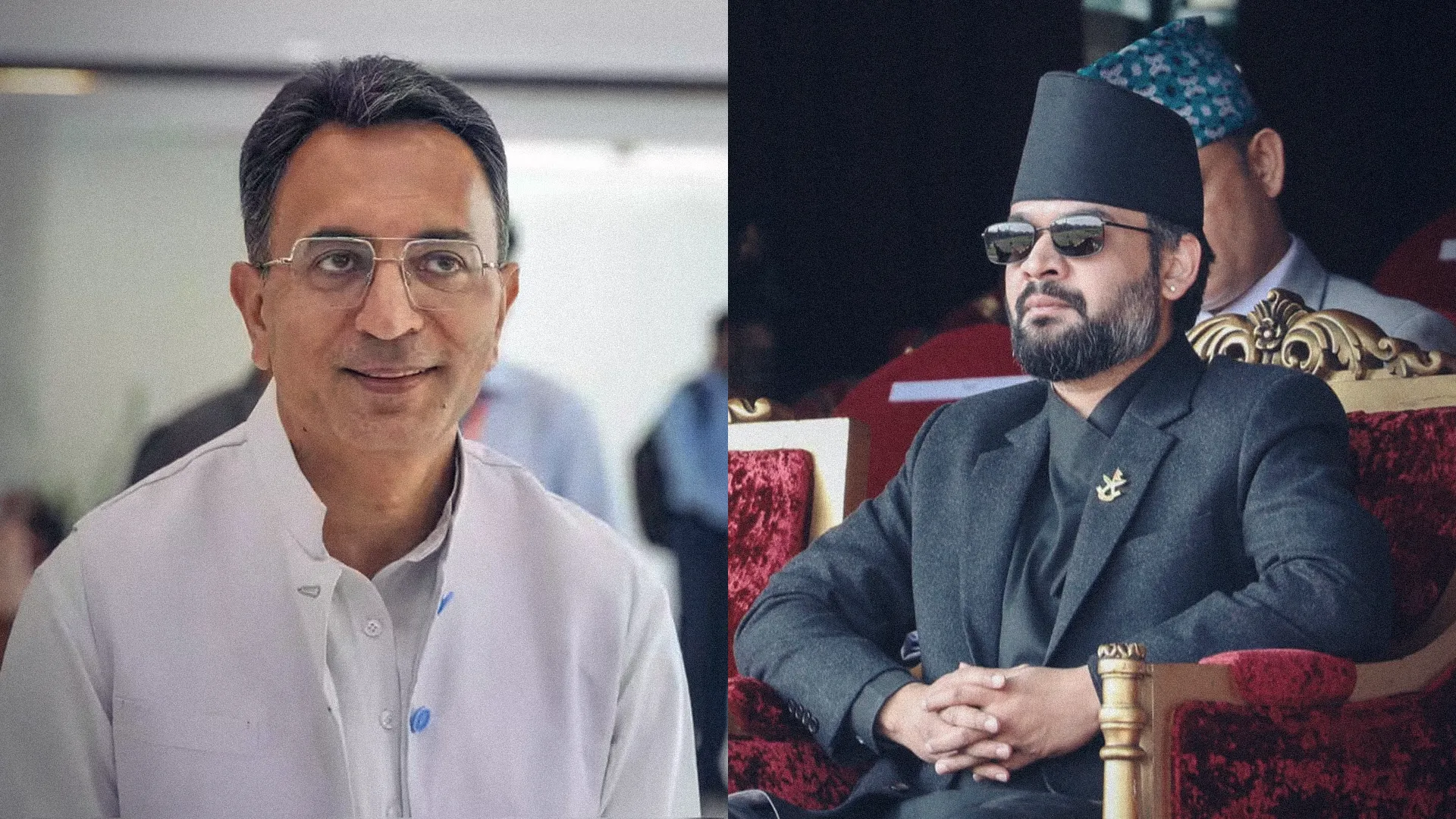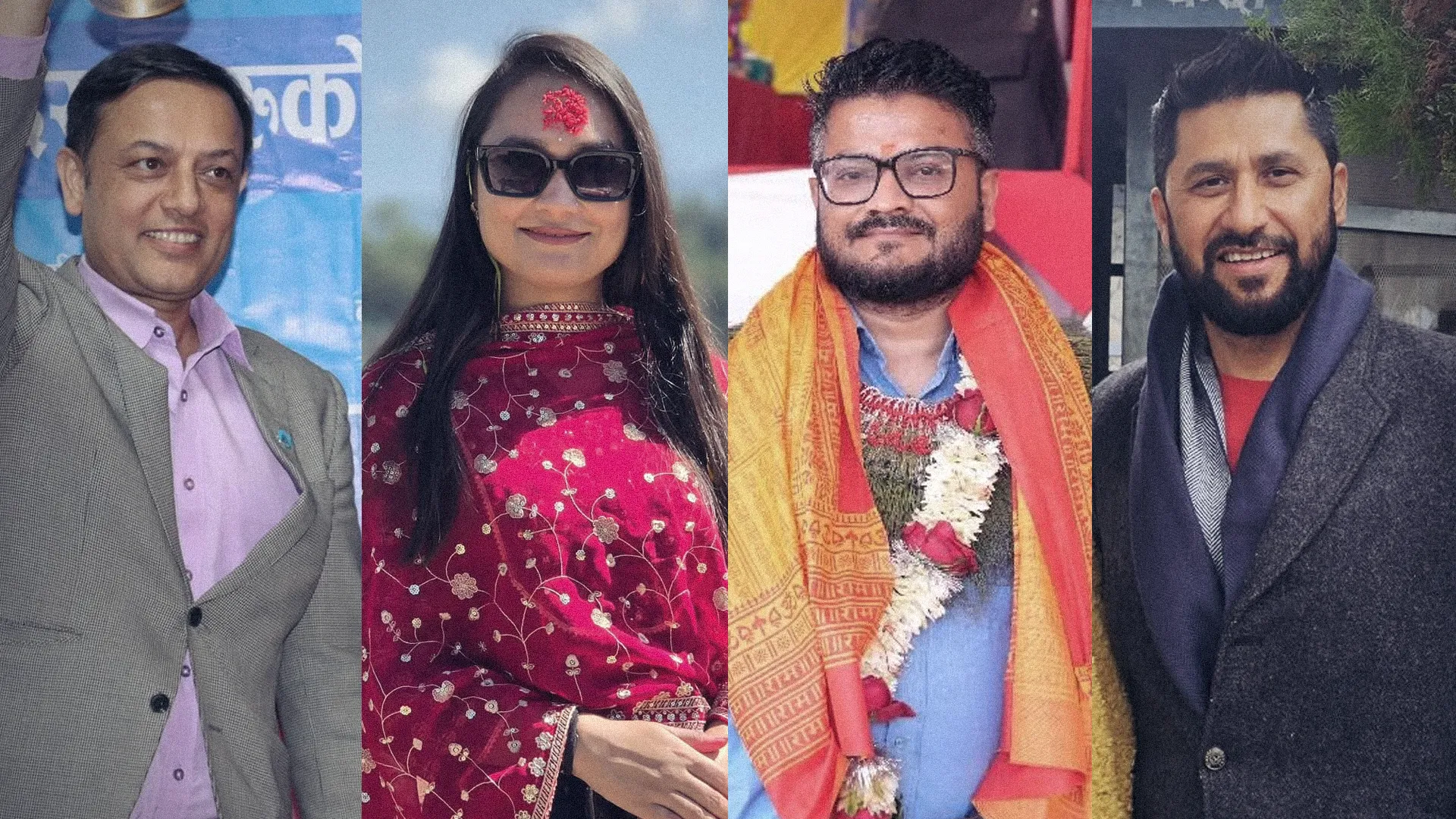


KATHMANDU — The intervention and activism of the ‘Gen-Z’ generation in Nepali politics have grown at an unprecedented pace in recent times. From the historic Gen-Z movement of 2025 to the 2026 elections, this generation has evolved from mere voters into the primary drivers of regime change and policymaking. As rapidly as this politically conscious generation has entered politics, an equally unique and intriguing shift has emerged in their linguistic style and the way they express respect.
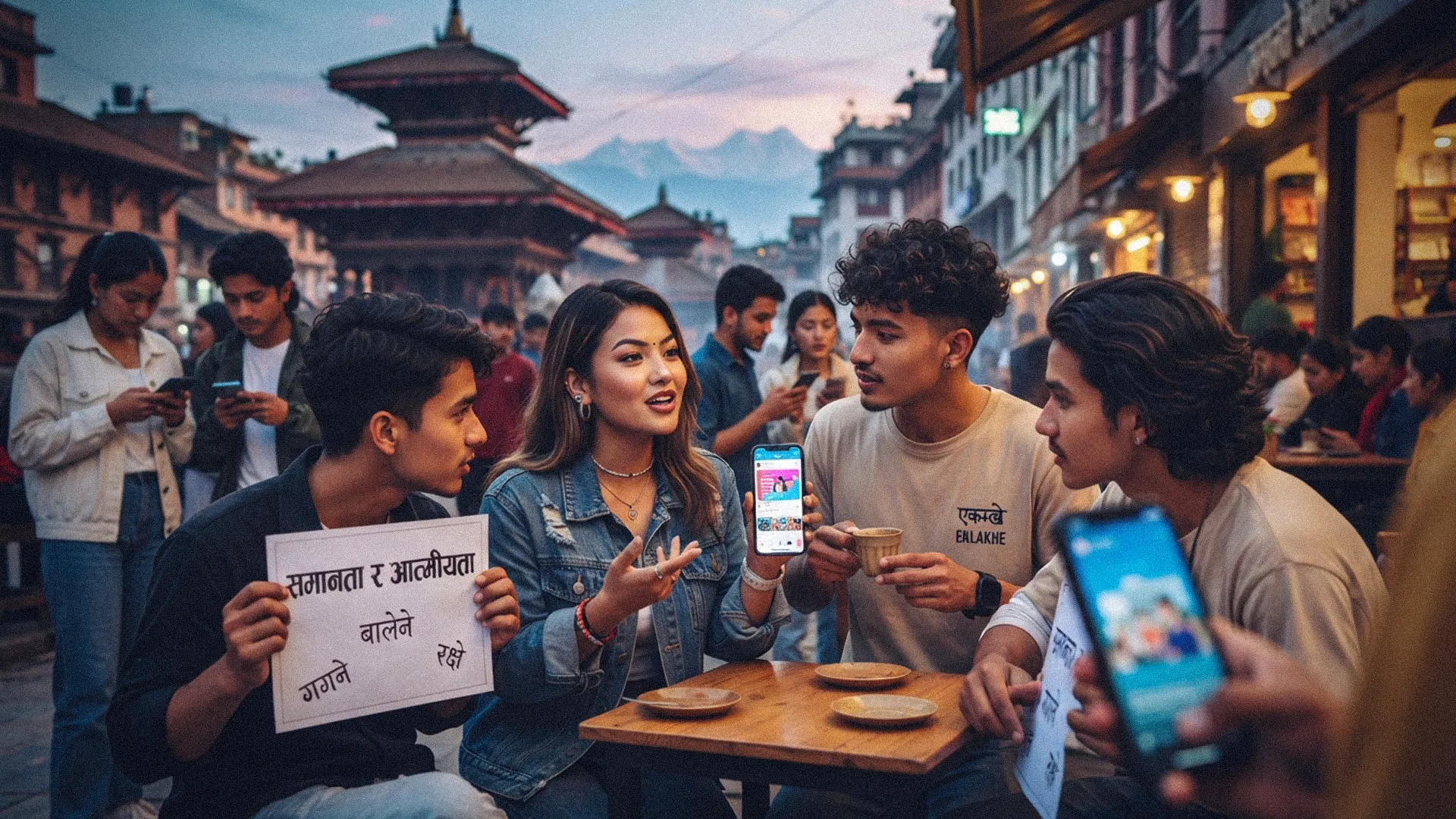
Nepali society has long had an informal conversational habit of shortening names or adding the ‘eklakhe’ (‘e’) suffix to the end of a name—such as calling ‘Ram’ as ‘Rame’ or ‘Shyam’ as ‘Shyame’. Politically aware Gen-Z youths have now begun using this exact linguistic style extensively on social media, in political debates on Discord, and during casual tea-shop conversations. They use such unusual, shortened names to address everyone from popular social media pages and online news outlets to activists of their own generation and the country’s top politicians.
Looking at the current landscape of Nepali politics and informal social media discourse, the following names appear to be in widespread use within the Gen-Z lexicon:
- Rutine – a Facebook page
- Raate – a news portal
- Sete – a news portal
- Online-e – a news portal
- Sudane – a youth activist
- Rakshe – a Gen-Z activist
Miraje – a Gen-Z activist - Bablue – a youth leader and activist
- Balene – a top political leader
- Sushile – a former top leader
- Prachande – a political leader
- Deuwe – a political leader
- Gagane – a political leader
- Kulmane – a former minister and public figure
- Durge – a political activist
- Harke – a political leader
Two contrasting debates have now emerged in Nepali society regarding this trend—is this culture positive, or what kind of society are we heading toward?
Nepali society holds a long-standing tradition of giving and receiving respect by addressing elders and officeholders as ‘Jyu,’ ‘Hajur,’ or ‘Honourable’ (‘Mananiya’). From a traditional perspective, shortening the names of leaders or media outlets and adding the ‘eklakhe’ suffix may be viewed as a disrespectful or anarchic linguistic style. Many fear that eroding the boundaries of respect and decorum will lead to a loss of civility in society and foster a culture of abuse on social media.
On the other hand, sociologists and supporters of the younger generation view this as a positive and democratic transformation. In Nepal’s old political culture, a feudal mindset prevailed in which leaders were treated as ‘gods’ or ‘masters’ and flattered through sycophancy. The informal language used by the Gen-Z generation has dismantled that artificial wall between leaders and the public. Adding ‘e’ to the end of someone’s name is not always meant to demean; in Nepali culture, it is also a sign of ‘intimacy,’ ‘equality,’ and considering someone ‘one’s own.’ By bringing leaders down from the arrogance of office to question them and hold them accountable as peers, this generation has redefined the traditional meaning of respect.
The Gen-Z generation is cultivating a culture that accords respect not to ‘position’ or ‘age,’ but to ‘work’ and ‘integrity.’ However, this positive practice of breaking the culture of sycophancy and seeking equality will build a healthy political culture only if it moves forward without undermining the fundamental civility and decorum of Nepali society.