


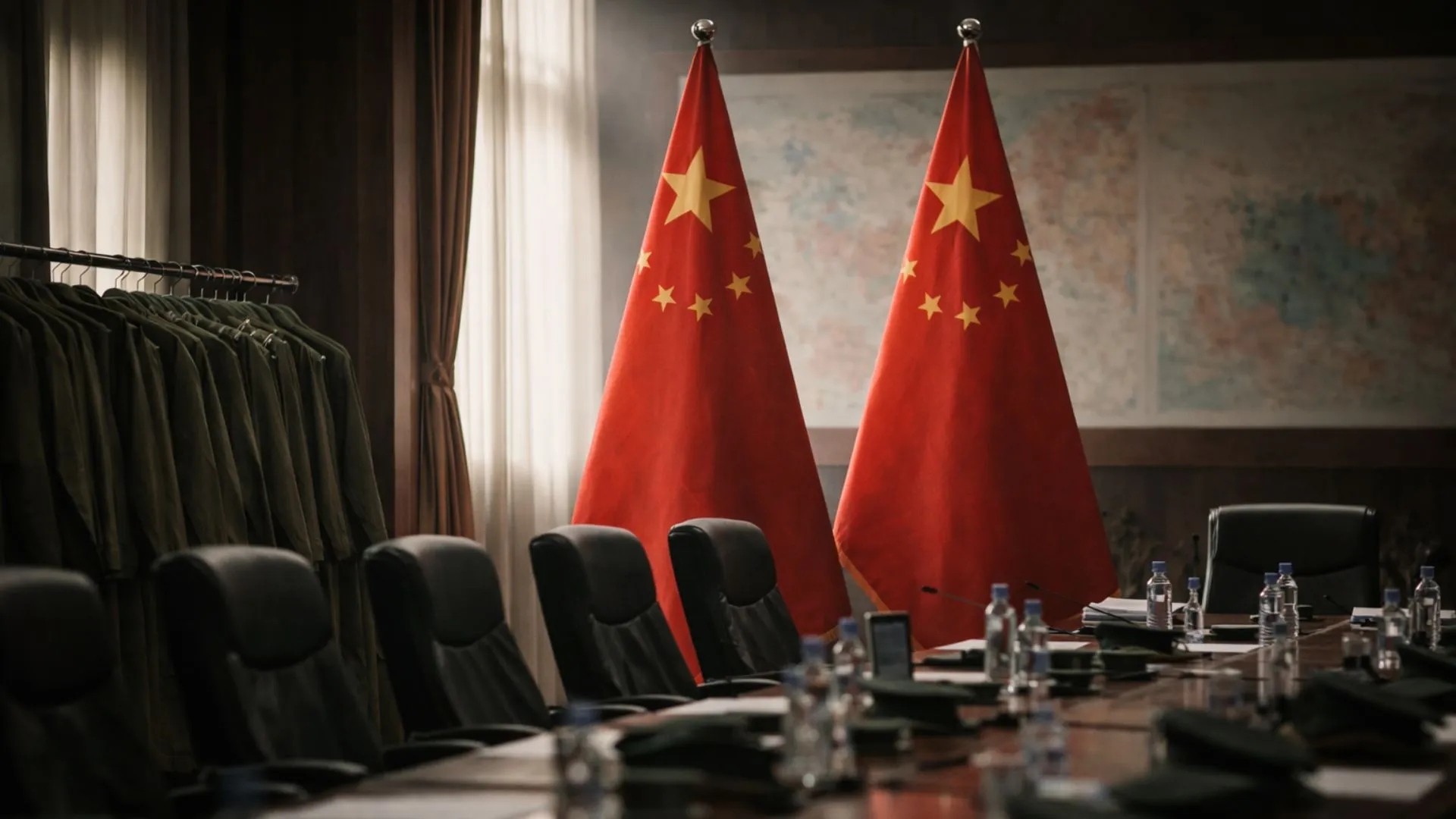
The landscape of international development in Nepal is facing a period of heightened uncertainty as China’s internal economic momentum begins to falter. Driven by an aging demographic, intensifying global political friction, and a cooling domestic market, Beijing’s capacity for overseas capital injection is under significant scrutiny. This shift suggests that the era of expansive, unchecked investment may be giving way to a more constrained fiscal reality.
For Nepal, the implications of this slowdown are both immediate and structural. As a signatory to the Belt and Road Initiative (BRI), Kathmandu has long viewed Chinese partnership as a cornerstone for modernizing its infrastructure. However, current assessments indicate that if China’s financial reach continues to shorten, Nepal could face systemic delays in project implementation, more stringent credit conditions, and a potential vacuum in funding for massive transit and energy works.
The future of high-profile ventures—most notably the Pokhara International Airport and the ambitious Trans-Himalayan connectivity networks—is now closely indexed to China’s economic health. While official rhetoric from Beijing continues to champion the BRI, independent analysts warn that the actual "economic viability" of these projects is being tested by the reality of a tightening Chinese purse.

Interested in this ad?
Would you like to continue to the link or provide your information for more details?
Please provide your information
To continue, please fill in your details
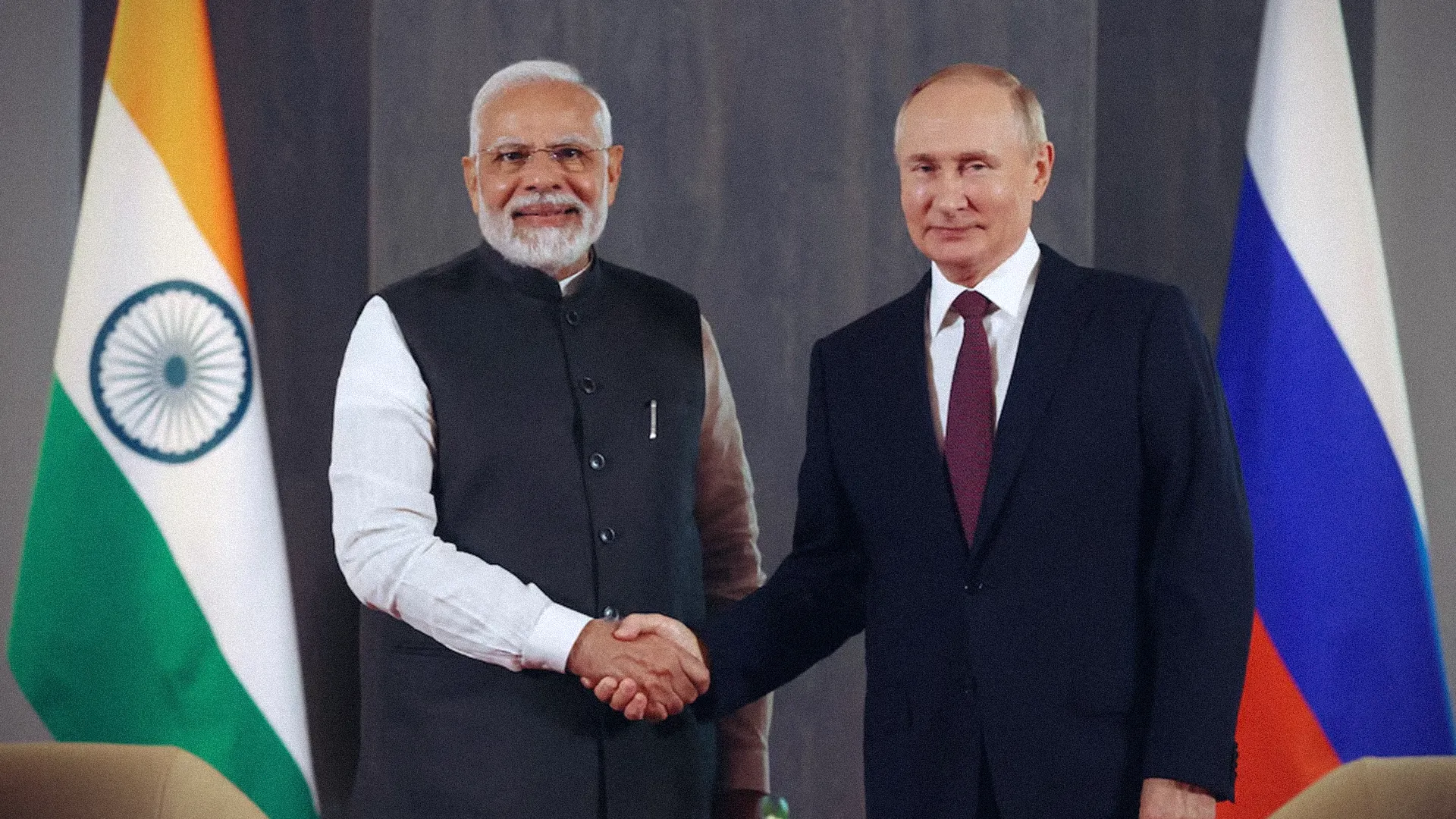
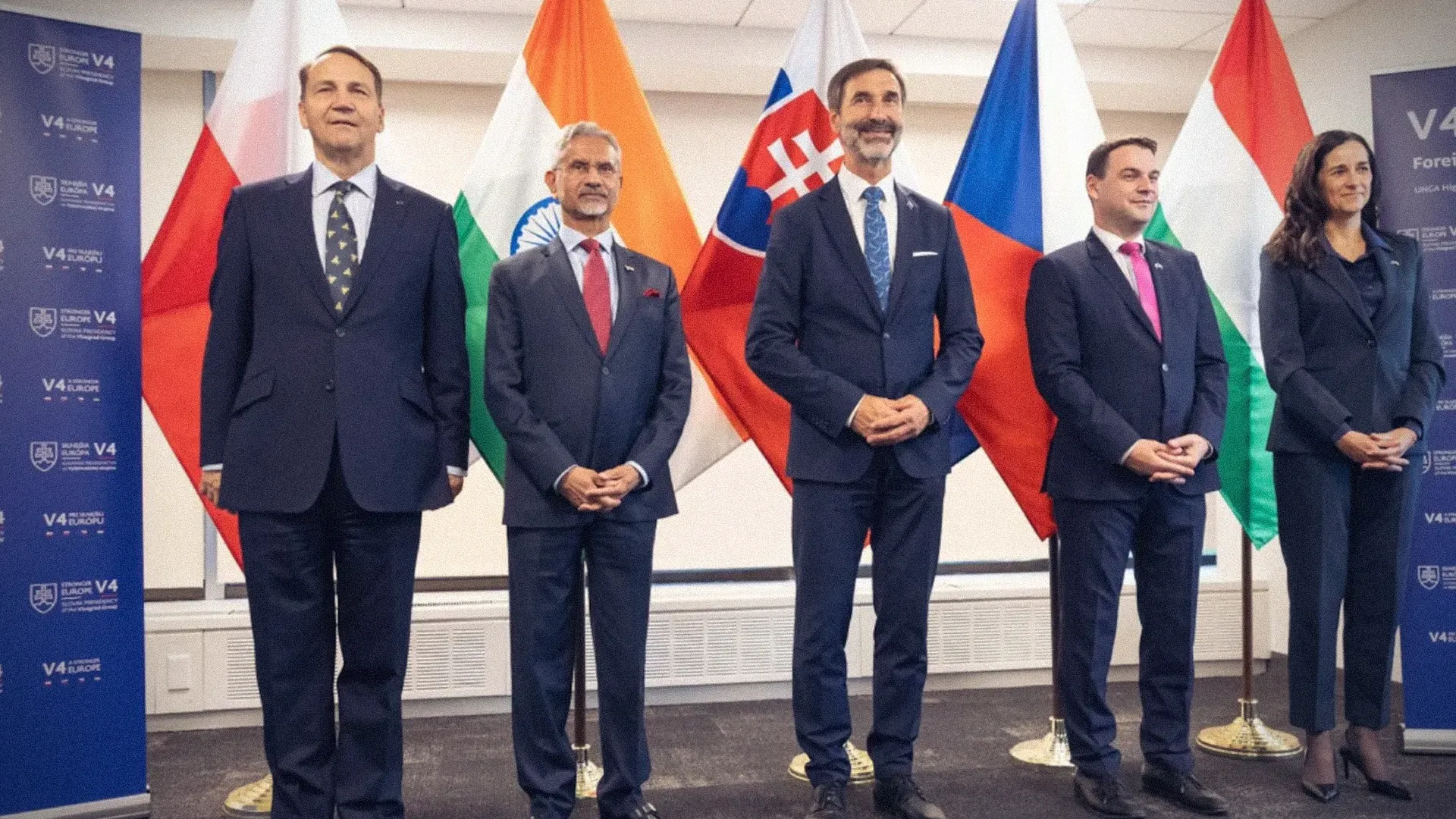
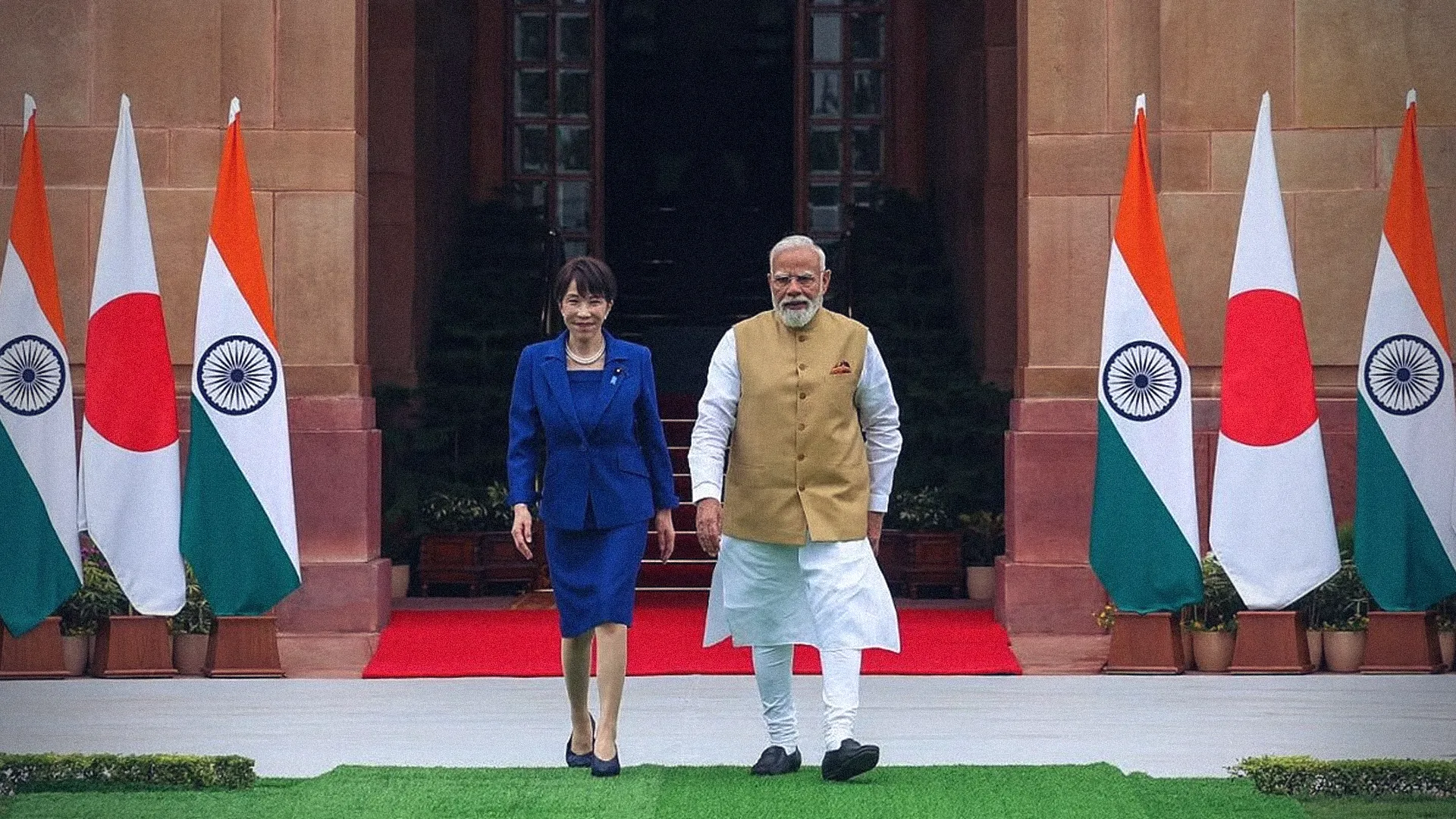
Policy experts suggest that this instability serves as a critical turning point for Nepal's diplomatic strategy. To safeguard national growth, there is an urgent call for the government to diversify its development portfolio. By reducing over-reliance on a single partner and aggressively engaging with the likes of India, Japan, the European Union, and multilateral lenders, Nepal can mitigate the risks posed by neighbor-state volatility.
Ultimately, the path forward requires a transition toward "diversified economic diplomacy." As the reliability of external funding sources shifts, ensuring transparency and rigorous risk management in every bilateral agreement will be the only way for Nepal to secure its long-term sovereign interests.