


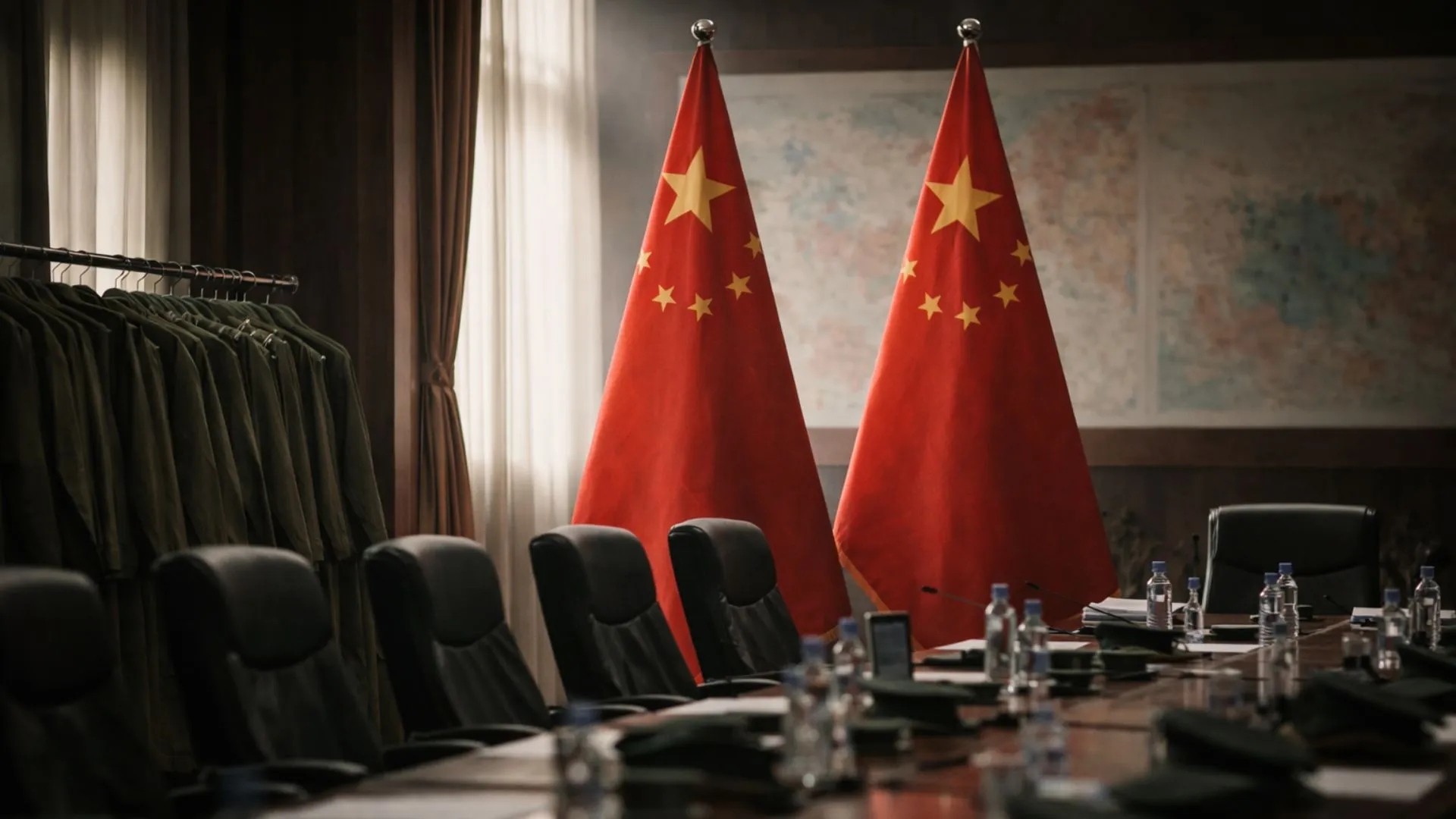
Kathmandu | International Desk - International analyses have shown that pressure on the banking system is intensifying due to the rising debt burden in China's economy. In particular, the financial sector is said to be at further risk due to debt related to local governments, slow growth in the real estate sector, and a weak investment environment.
According to recently published reports, as financial pressure on local banks increases, efforts are being made to keep some institutions operational through restructuring and government intervention. According to experts, this has raised new questions about the long-term stability of China's financial system.
According to analysts, although China's local government debt has been rising for years, its impact on the banking sector has become clearly visible in recent years after the economic growth rate slowed down. The recession in the real estate sector, decline in consumer demand, and weak investment in the private sector are analyzed to have made economic recovery even more difficult.
On the other hand, India has been trying to sustain its economic growth in recent years through banking reforms, digital financial systems, infrastructure investment, and production-oriented policies. International financial institutions have been evaluating India as one of the world's fastest-growing major economies.

Interested in this ad?
Would you like to continue to the link or provide your information for more details?
Please provide your information
To continue, please fill in your details
According to economists, since China holds an important place in the global economy, if its banking sector weakens, the impact could also fall on international trade, investment, and supply chains. Therefore, the need for China to prioritize financial transparency, debt management, and structural reforms has been pointed out.
Experts have concluded that without controlling financial risks, enhancing confidence in the private sector, and long-term economic reforms, it will be difficult for China's economy to achieve the expected momentum. The latest pressure seen in China's banking system is considered a crucial test for its upcoming economic policy.