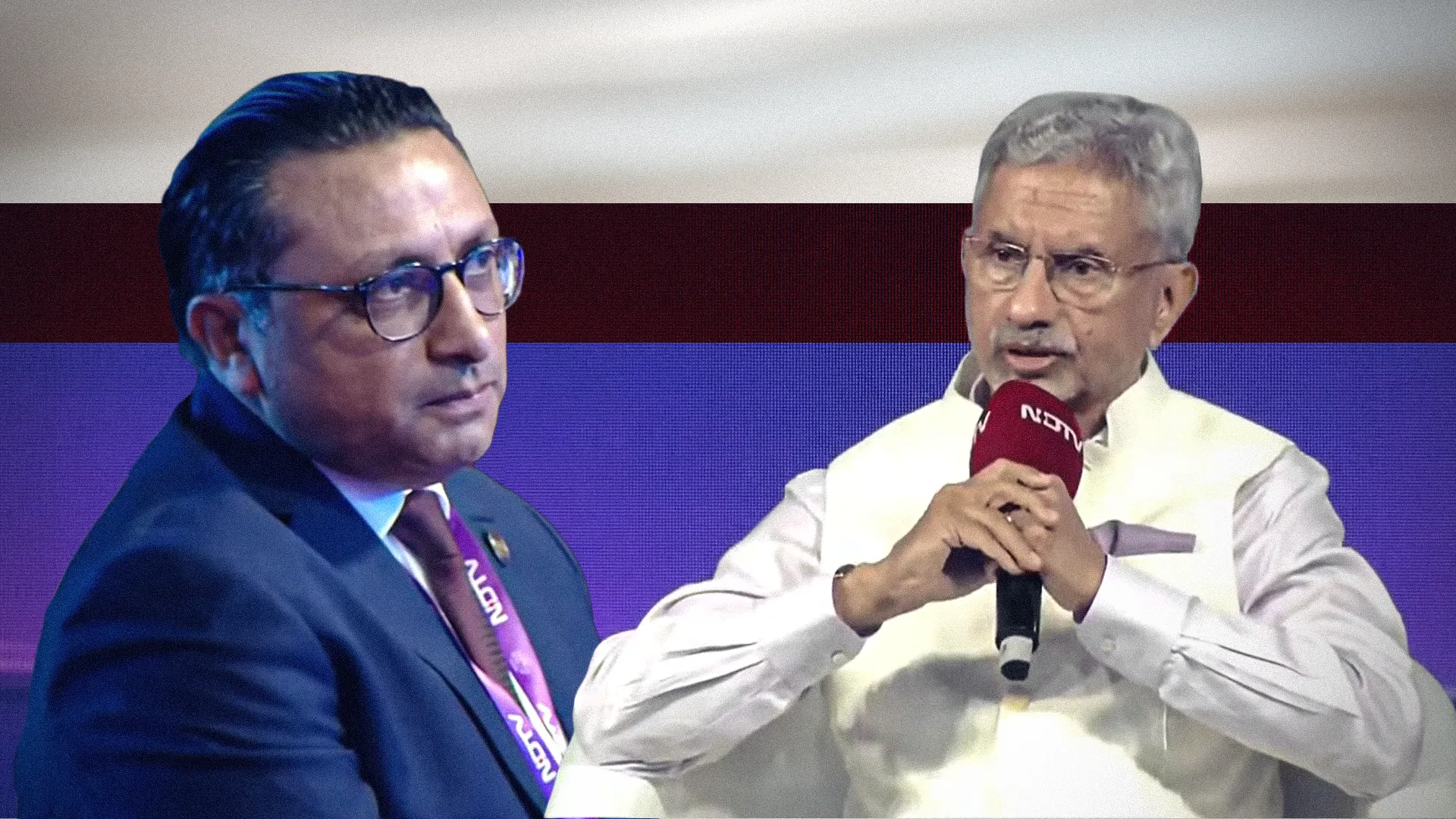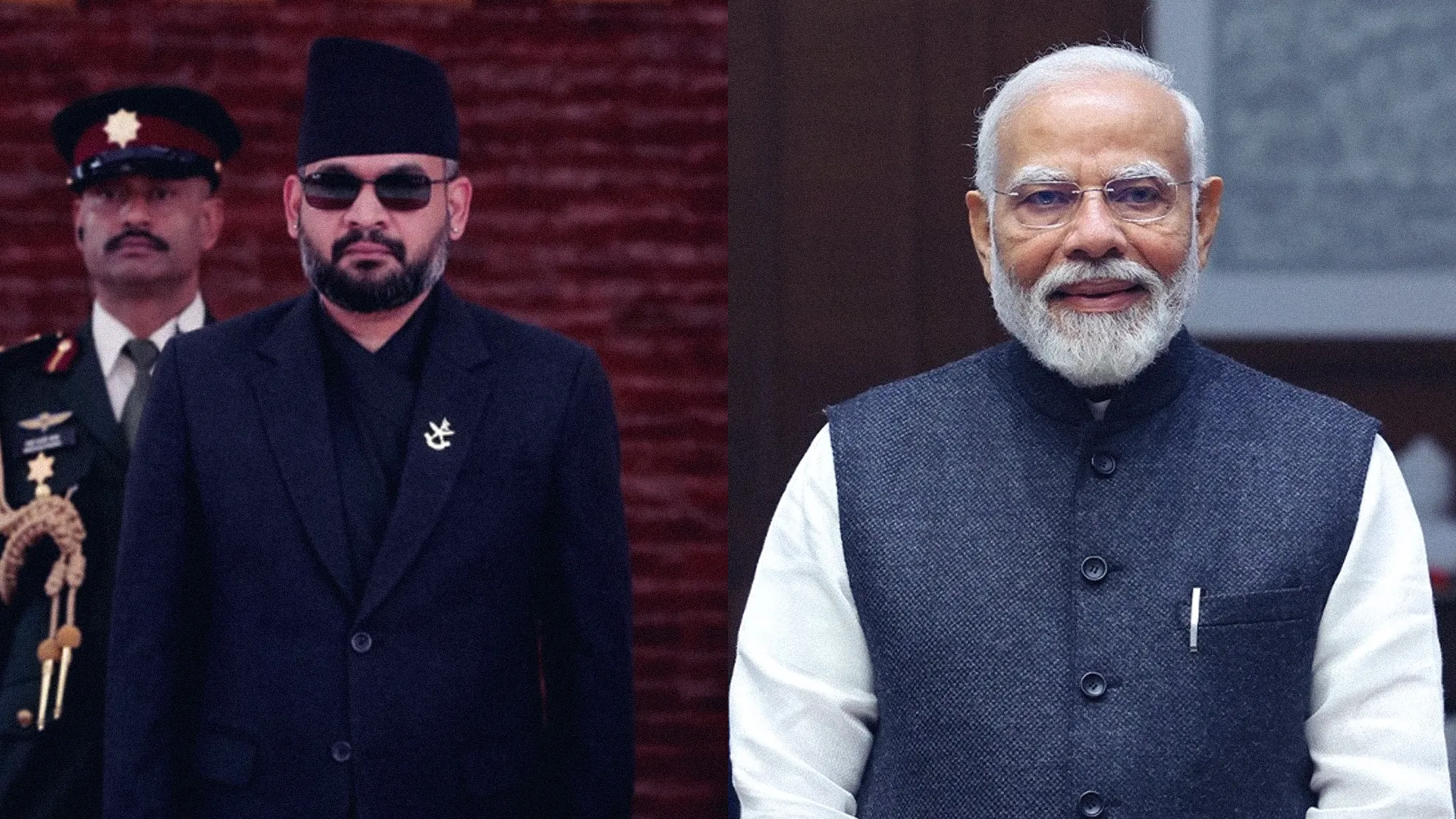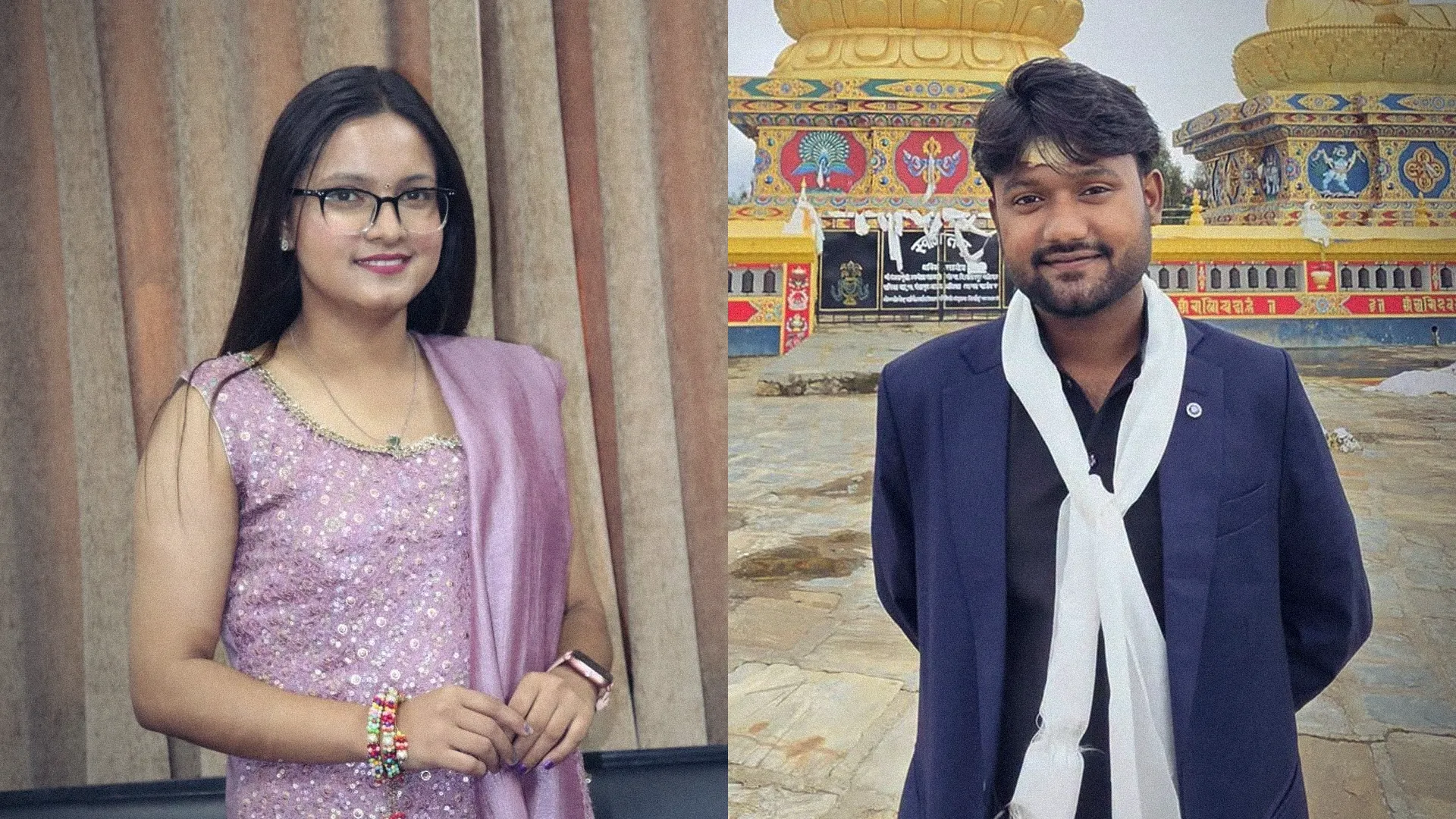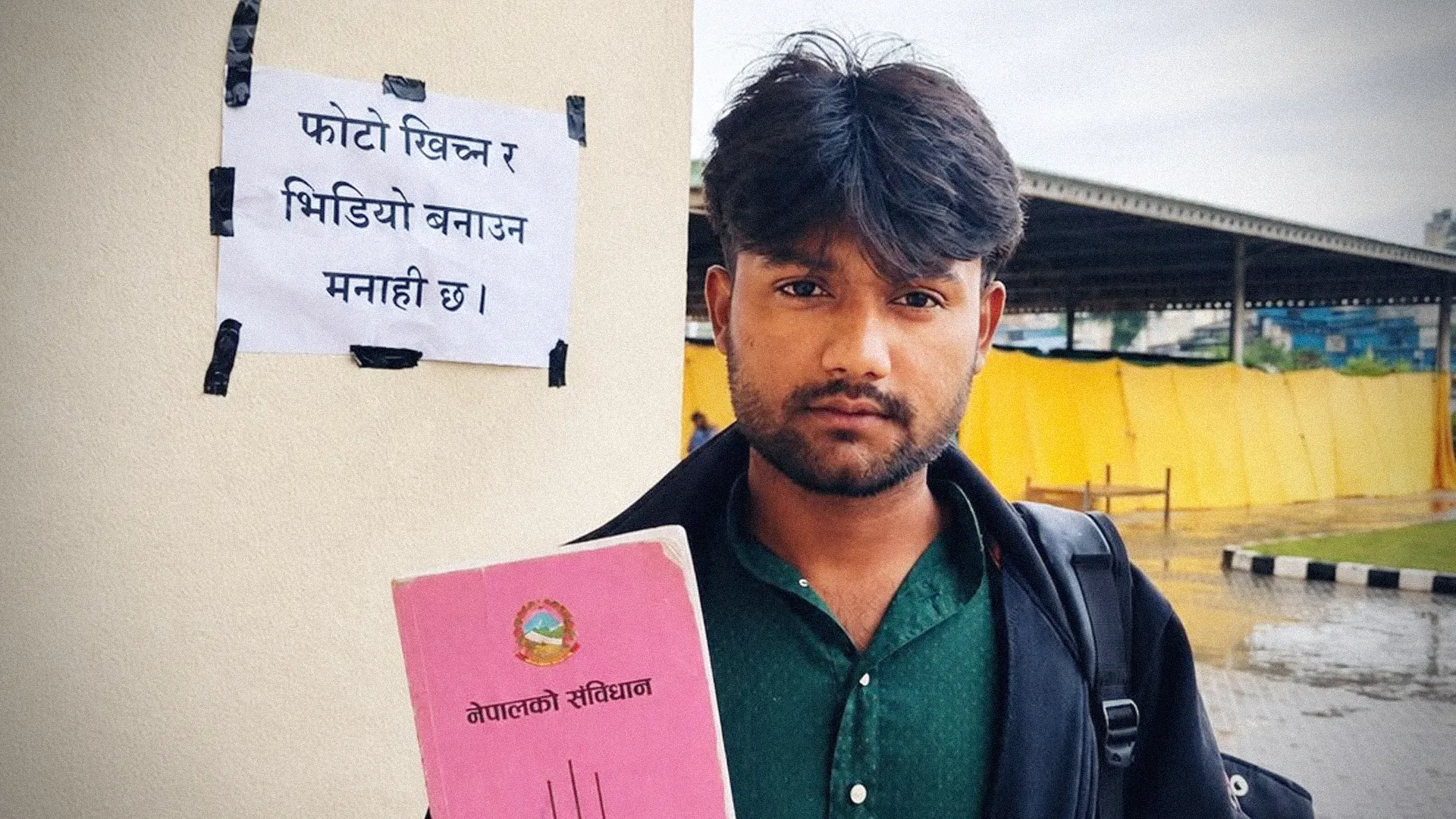



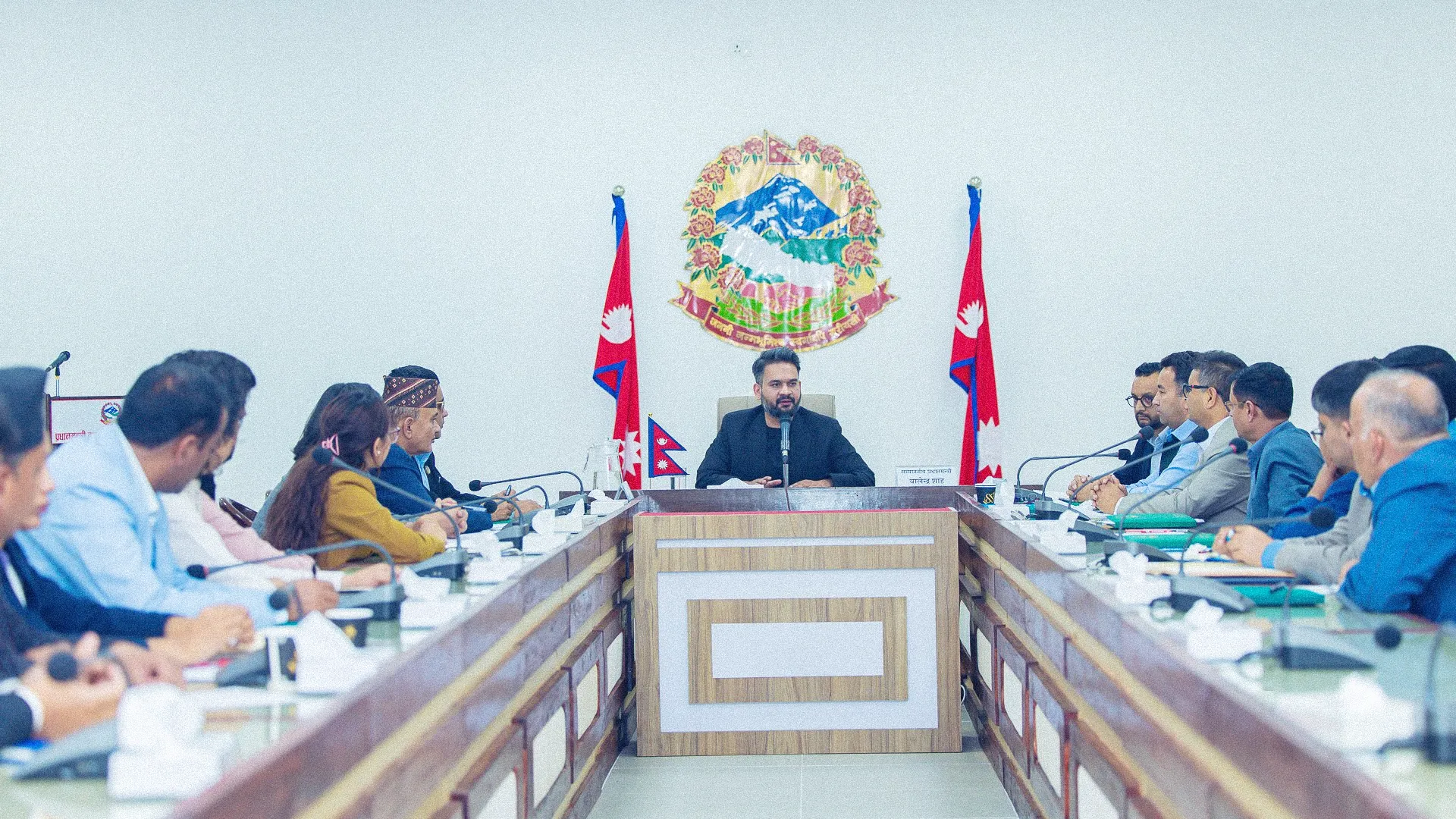
Just thirty days into his tenure, Prime Minister Balen Shah is grappling with a dual crisis of internal political instability and deteriorating ties with neighboring India. Despite initial optimism that the Gen-Z supported leader would revitalize the "Roti-Beti" (bread and bride) bond between the two nations, his recent administrative maneuvers have instead triggered a wave of public resentment and diplomatic uncertainty.
The Prime Minister's domestic authority took a significant hit this week following the abrupt exit of two high-ranking officials. Home Minister Sudan Gurung tendered his resignation on Wednesday, following shortly after the dismissal of Labor Minister Dip Kumar Sah. Political observers suggest these rapid shifts indicate a profound lack of executive experience within the new administration, leaving the government’s internal structure in a fragile state.
Beyond the capital, a new border tax policy has ignited fury in the plains. The Shah administration recently mandated custom duties ranging from 5% to 80% on Indian goods valued over 100 Nepali Rupees. This decision has paralyzed local trade in border hubs like Birgunj and Nepalgunj, where residents traditionally rely on Indian markets for daily essentials. Protesters argue the move is insensitive to the socio-economic reality of border life, where cross-border gift-giving and shopping are cultural staples.
Adding to the friction, the government has moved to restrict Indian-registered vehicles in border regions, a decision defended as a revenue-boosting measure but slammed by critics as impractical. Simultaneously, the Nepali Congress and members of Shah's own party have labeled the low tax threshold as "unrealistic," warning that such policies risk alienating a vital strategic partner while fueling domestic inflation.

Interested in this ad?
Would you like to continue to the link or provide your information for more details?
Please provide your information
To continue, please fill in your details
On the international stage, Shah’s "equal distance" foreign policy remains under the microscope. While the Prime Minister has accepted an invitation to visit New Delhi, the date remains unconfirmed as his administration reportedly seeks to balance the trip with a subsequent visit to Beijing. As global fuel hikes push local petrol prices to 225 NPR, the administration must now navigate a complex path between maintaining domestic order and preserving essential historic alliances.
Courtesy: DW Hindi