


In South Asian geopolitics, the relationship between New Delhi and Kathmandu has always remained complex and sensitive. Within diplomatic circles, a long-standing debate has centered around a distinct style of the Indian side: 'over-extended hospitality' or unusual diplomatic proximity. Although this diplomatic style is often perceived in Kathmandu's political circles as "Excess Buttering," it is in reality a strategic weapon of New Delhi's sophisticated 'Soft Power' and realist politics (Realpolitik).
Historically, this strategy becomes more active during times when political transitions or geopolitical vacuums appear in Nepal. A comparative analysis of past and present events clearly demonstrates how New Delhi alters the scope of its diplomatic hospitality to suit its geopolitical concerns and interests.
Historical Precedent: Girija Prasad Koirala and the Breach of 'Protocol' in 2006
In June 2006 (Jeth 2063 B.S.), following the success of the Second People's Movement and the formation of the interim government, a historic political transformation took place in Nepal. Immediately after that, when the then Prime Minister Girija Prasad Koirala went on an official visit to India, New Delhi welcomed him by breaking the established boundaries of diplomatic decorum.
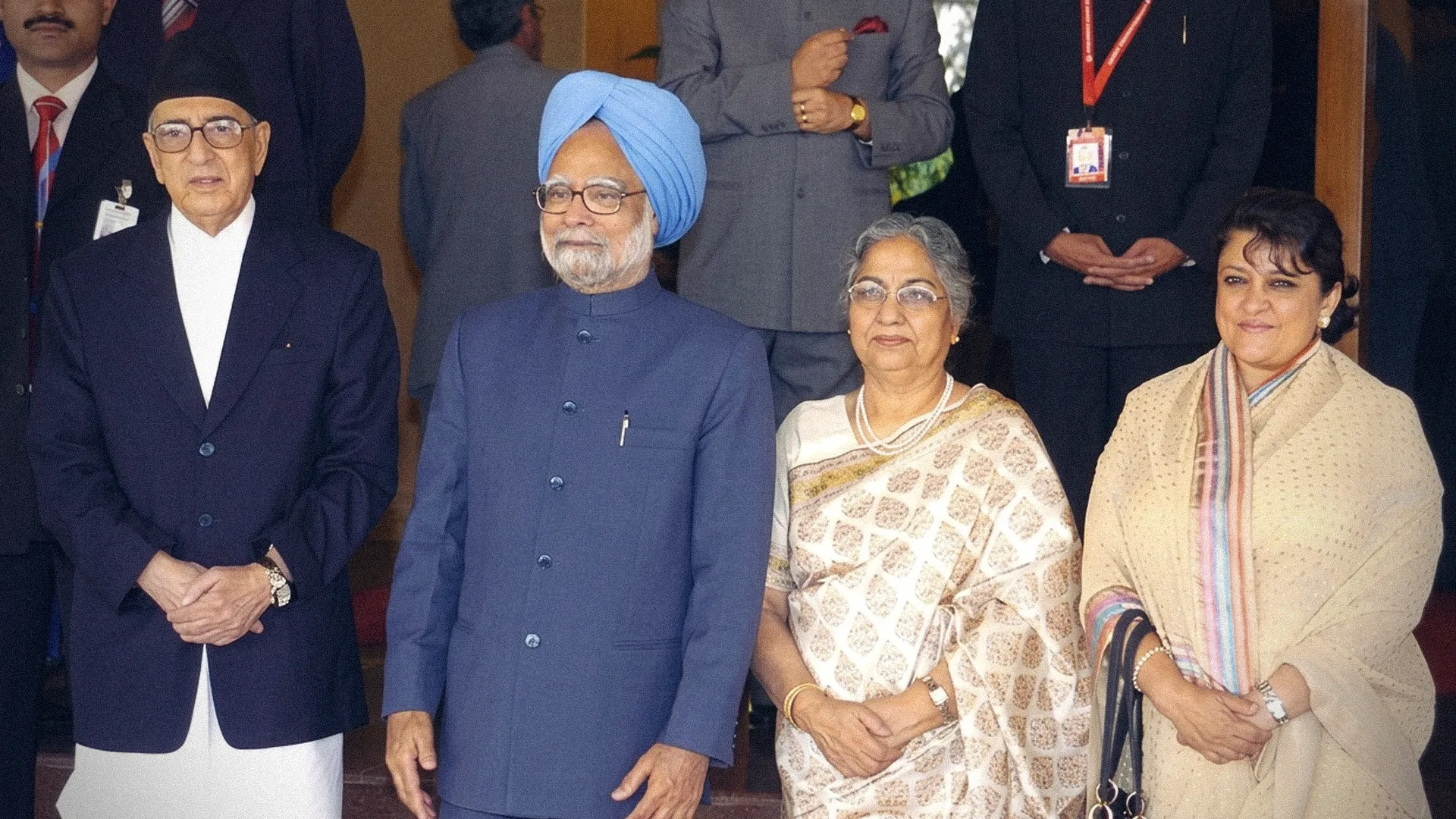
The then Indian Prime Minister Dr. Manmohan Singh breached established diplomatic decorum (Protocol) by arriving at the Indira Gandhi International Airport himself to welcome Koirala. During the occasion, Dr. Singh addressed Koirala as follows:
"A towering personality and leader of all democratic forces in Nepal and South Asia."
Deep strategic maneuvers lay hidden behind this extraordinary warmth and respect. Following the abolition of the monarchy, India wished to firmly bind the fragile peace process and political transition that began in Nepal within its strategic sphere of influence. Although this grand hospitality earned Koirala the epithet of 'the peak man of politics' in domestic politics, diplomatic analysts interpreted it as a well-calculated diplomatic effort by New Delhi to prevent Kathmandu's political direction from leaning toward the northern neighbor (China).
However, the international praise (Adulation) received in this manner could not be entirely fruitful for Koirala's internal political journey. After the establishment of the republic in 2008 (2065 B.S.), Koirala had a strong desire to become the first president of Nepal. However, after the equations of the then domestic politics changed and Pushpa Kamal Dahal 'Prachanda', the chairman of the largest party in the first Constituent Assembly, CPN (Maoist), broke the agreement, Koirala was deprived of becoming the president. This demonstrates that external 'buttering' cannot always make the complex reality of internal politics favorable.
Current Geopolitical Crisis and the Reluctance of Prime Minister Balen Shah
In the current political landscape, Nepal's diplomatic relations have taken a new turn. At present, Balendra (Balen) Shah has assumed leadership as the Prime Minister of Nepal. Despite the deep political, economic, and cultural ties between Nepal and India, Prime Minister Shah has been adopting a policy of maintaining diplomatic distance with New Delhi. Having presented his staunch nationalist perspective by keeping a map of 'Greater Nepal' in his office while serving as the Mayor of Kathmandu Metropolitan City, Shah appears reluctant to hastily advance dialogue with New Delhi's traditional political channels.
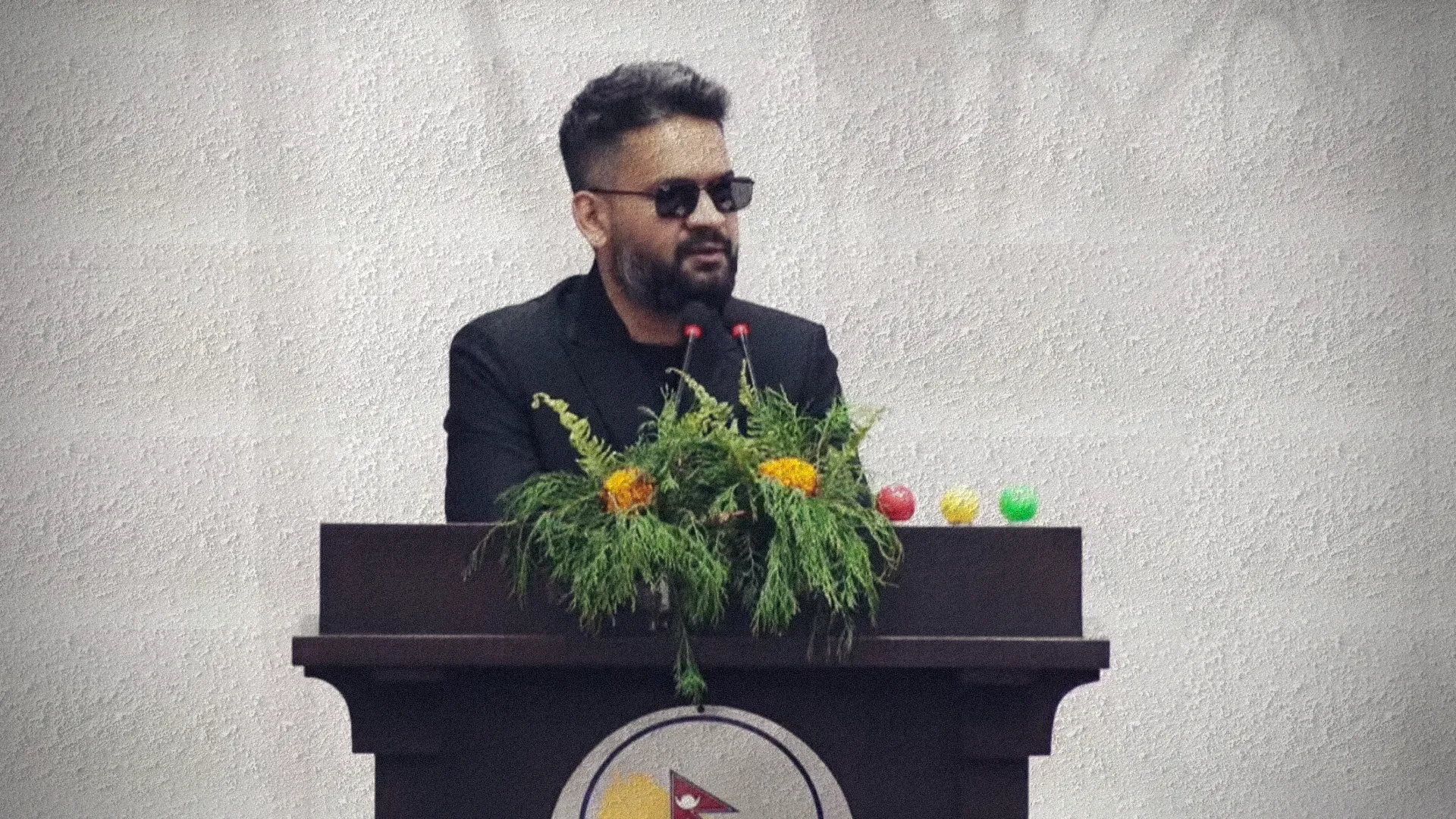
Although Indian Prime Minister Narendra Modi extended an invitation to visit New Delhi immediately after the formation of the new government, the indifference shown by Prime Minister Shah in rapidly advancing bilateral communication created a sort of vacuum in diplomatic circles.
However, a controversial and unexpected statement recently delivered by Prime Minister Shah during a meeting of the House of Representatives has astonished everyone. In the context of the long-standing boundary dispute over Kalapani, Lipulekh, and Limpiyadhura, he said:
"After becoming the Prime Minister, what surprised me upon understanding the matter is that, while it is said that India has encroached only upon Nepal's territory, Nepal has also encroached upon the territory claimed by India in certain places. This must be resolved through objective dialogue by forming a team of experts."

Interested in this ad?
Would you like to continue to the link or provide your information for more details?
Please provide your information
To continue, please fill in your details
Opposition parties and diplomatic critics have analyzed this as a 'Tactical Shift' aimed at understanding New Delhi's diplomatic sensitivities or balancing his previous rigid nationalist image. This reaffirms the reality that the diplomatic gravity of relations with India cannot be denied after reaching power in Nepal.
New Diplomatic Dialogue: Rabi Lamichhane and the Delhi Journey
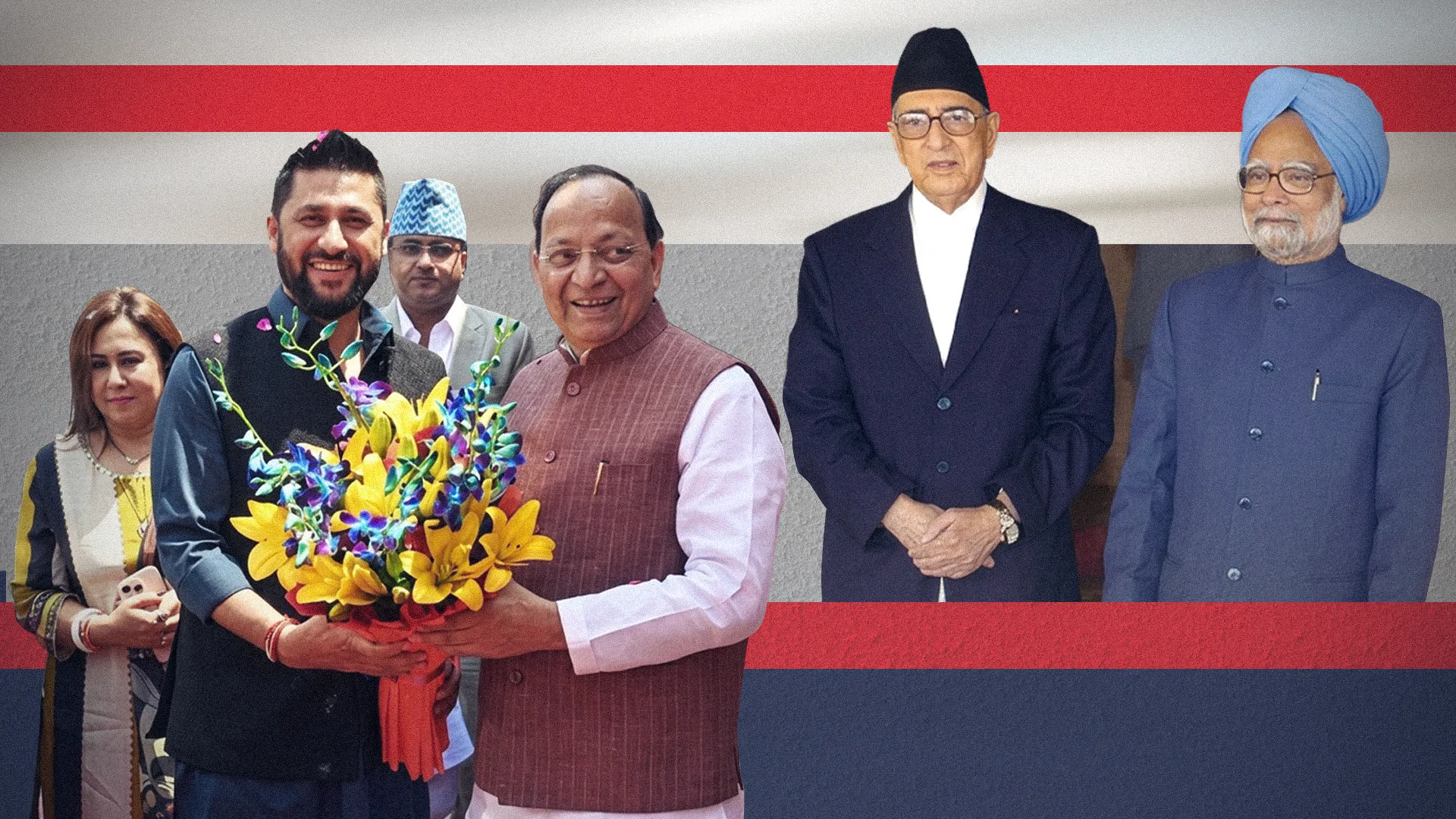
Amidst the vacuum created due to Prime Minister Balen Shah's diplomatic reluctance, New Delhi adopted a policy of giving political importance to Rabi Lamichhane, the chairman of the coalition partner party, Rastriya Swatantra Party (RSP). RSP Chairman Lamichhane reached New Delhi for a 5-day official visit, where he was accorded an extraordinary 'red-carpet' welcome by the Government of India.
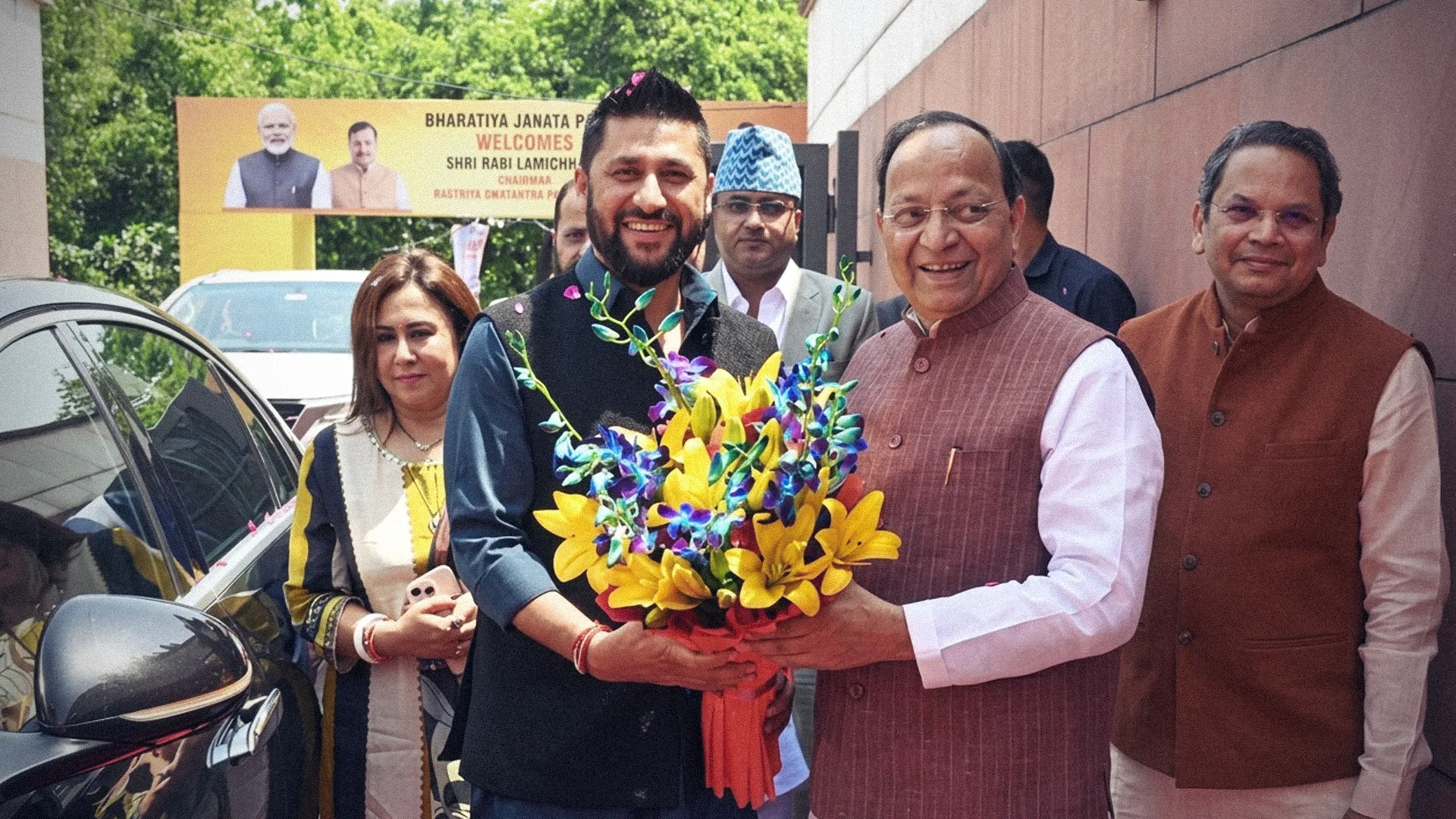
During the visit, Lamichhane held high-level strategic meetings with India's powerful Union Home Minister Amit Shah and External Affairs Minister S. Jaishankar, while he was grandly welcomed at the Bharatiya Janata Party (BJP) headquarters. At a time when the direct channel with the incumbent Prime Minister remains slow, India giving such 'OUT-OF-THE-WAY' importance to a major partner of the ruling coalition and an emerging parliamentary power has generated diplomatic ripples.
This visit has once again brought into discussion the contexts previously raised by RSP's former General Secretary Dr. Mukul Dhakal. In his famous 'Review Report', Dr. Dhakal had accused the party leadership of compromising by leaving its original agenda in the name of aligning diplomatic balance with external powers. While the debate on the boundary dispute is heating up in Kathmandu, the extraordinary welcome Lamichhane received in Delhi is seen by many as India's far-reaching geopolitical interest and a strategy to keep the new political generation under its influence.
An Objective Analysis of the 'Indian Diplomatic Mindset': Flattery or Realist Politics?
Although such behavior by India is superficially commented upon in Nepal's political circles merely as "flattery" or "buttering," from a geopolitical perspective, it is pure realist politics (Realpolitik). The diplomatic mindset of New Delhi can be understood through the following points:
- Search for Strategic Alternatives: When Kathmandu's establishment or the Prime Minister becomes rigid, nationalist, or geopolitically unpredictable, New Delhi swiftly attracts alternative or emerging populist forces from within the government itself.
- Use of Soft Power: Providing "out-of-the-way" hospitality to align the diplomatic direction of the new leadership with its security and strategic interests is an established policy of India.
- Long-term Influence: This type of reach helps in diplomatically minimizing anti-India sentiments and maintaining its influence, regardless of which government comes to power in the neighboring country.
Diplomatic Balance and Its Far-reaching Impact
This cyclical system of New Delhi's high-level and strategic hospitality has had a mixed impact on the domestic credibility of Nepali leaders. On one hand, it shows the leaders as being established on the international stage, while on the other hand, it raises suspicions among the Nepali people regarding their diplomatic independence and nationalist stance.
Whether it was the welcome extended to Koirala by reaching the airport itself in 2006 or the red carpet rolled out for Lamichhane in the past—New Delhi's diplomatic strategy is clear: to envelop Kathmandu's leadership in such warm hospitality so that no matter how independent or nationalist the background of the leaders who emerge, they are ultimately compelled to maintain a practical and balanced relationship with India.
In the long run, even if such diplomatic pressure and 'buttering' protect India's interests in the short term, it always poses a challenge to regional stability as it increases political instability and distrust toward external powers in neighboring countries.