


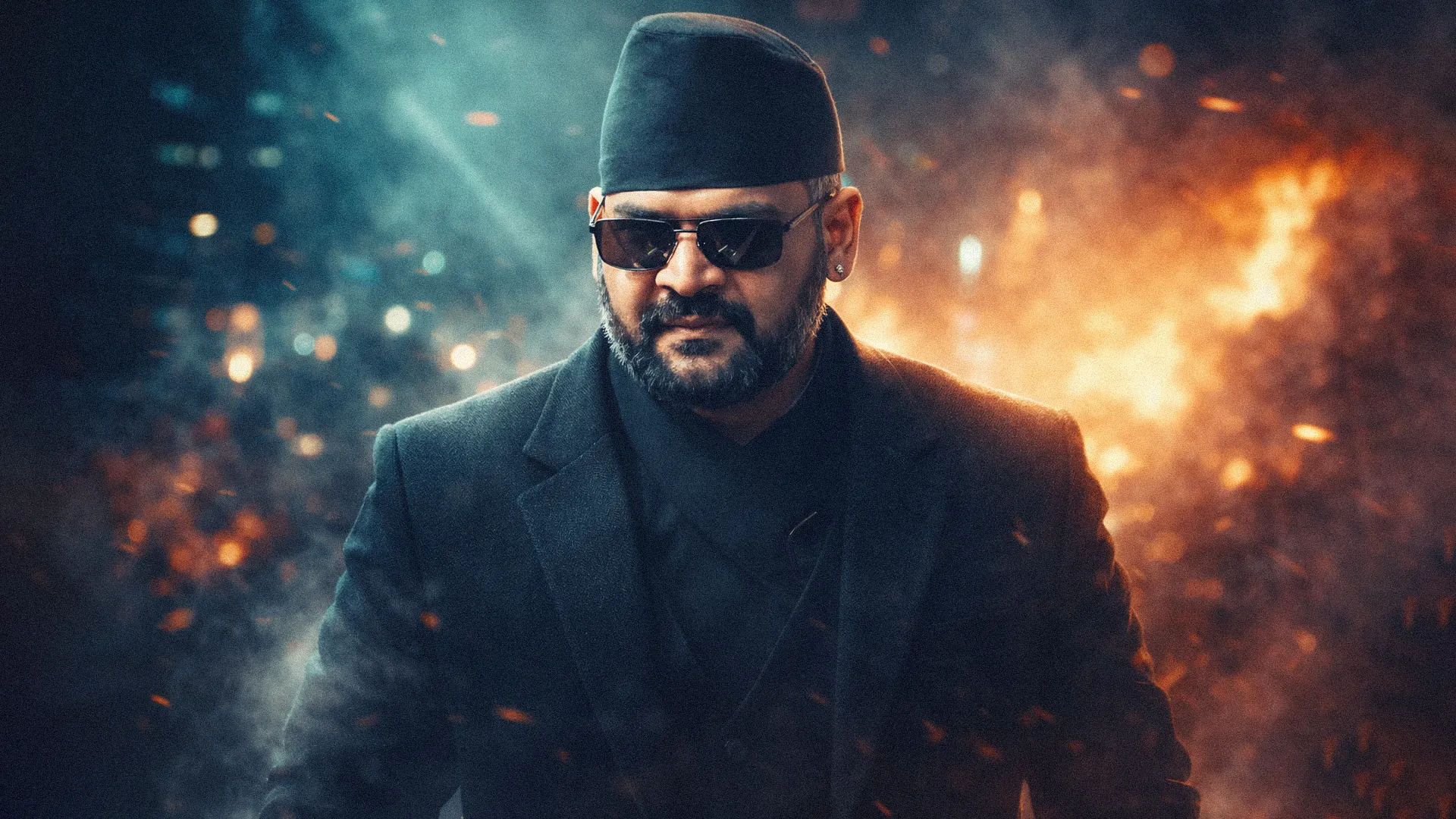
An unusual scene within the RSP: MPs who received tickets without membership are now unsure whom to approach for ministerial positions, while Balen remains active on social media.
Kathmandu — As the Rastriya Swatantra Party (RSP) appears set to lead the government, an unprecedented and unusual situation has emerged in political circles. Balen Shah, proposed as the party’s prime ministerial candidate, is not even a basic member of the RSP to date. On the other hand, most newly elected MPs are also without formal party membership.
In parliamentary practice, the Prime Minister is typically the leader of the parliamentary party and holds a formal and significant role within the party. However, based on a “special agreement” between the RSP and Balen before the election, he was presented as the PM candidate. Still, when and how he will formally obtain party membership remains unclear.
Balen’s Absence: Not Attending Office, Active on Social Media
At a time when he is on the verge of becoming the executive head of the country, Balen’s routine appears unusual. While intensive preparations and political meetings are expected during government formation, he has not been regularly visiting the party office (Banasthali).
According to sources, while internal discussions are ongoing within the party, he is engaged in interacting with friends on social media. This “casual” approach from a potential national leader has raised concerns among some senior party figures.
MPs in Confusion: Neither Ravi Nor Balen Accessible

Interested in this ad?
Would you like to continue to the link or provide your information for more details?
Please provide your information
To continue, please fill in your details
Before the elections, the RSP distributed tickets to popular figures outside the formal party structure. Those non-member candidates won elections and became MPs, but now they find themselves in deep confusion.
The core issue lies in identifying the “power center.” MPs are eager to become ministers but are unclear about whom to lobby. They are unable to identify a clear chain of command within the party.
A newly elected MP, expressing frustration, said, “There is a desire to become a minister, but whom should we approach? Balen is set to become PM, but we don’t know where to meet him. When we try to meet party chair Ravi Lamichhane, he has his own engagements. We are stuck in between.”
Leadership Management Challenge for RSP
This situation has exposed organizational confusion within the RSP. While giving tickets to non-members proved effective for winning elections, it now risks becoming counterproductive in governance and parliamentary management.
With the party on one side and the PM candidate on another, serious questions arise about how party ownership will be maintained over government decisions. Should MPs approach party chair Lamichhane or wait for PM candidate Balen? If the RSP fails to establish a clear structure of power-sharing and coordination before forming the government, the new administration risks early internal conflict.