


Narayan Manandhar
If there is a leitmotif in the concluding address by RSP President Ravi Lamichhane, at a recently held two-day orientation program, organized for its its newly elected and selected MPs then it must be with: Discipline and Responsibility.
Conspicuously Absent
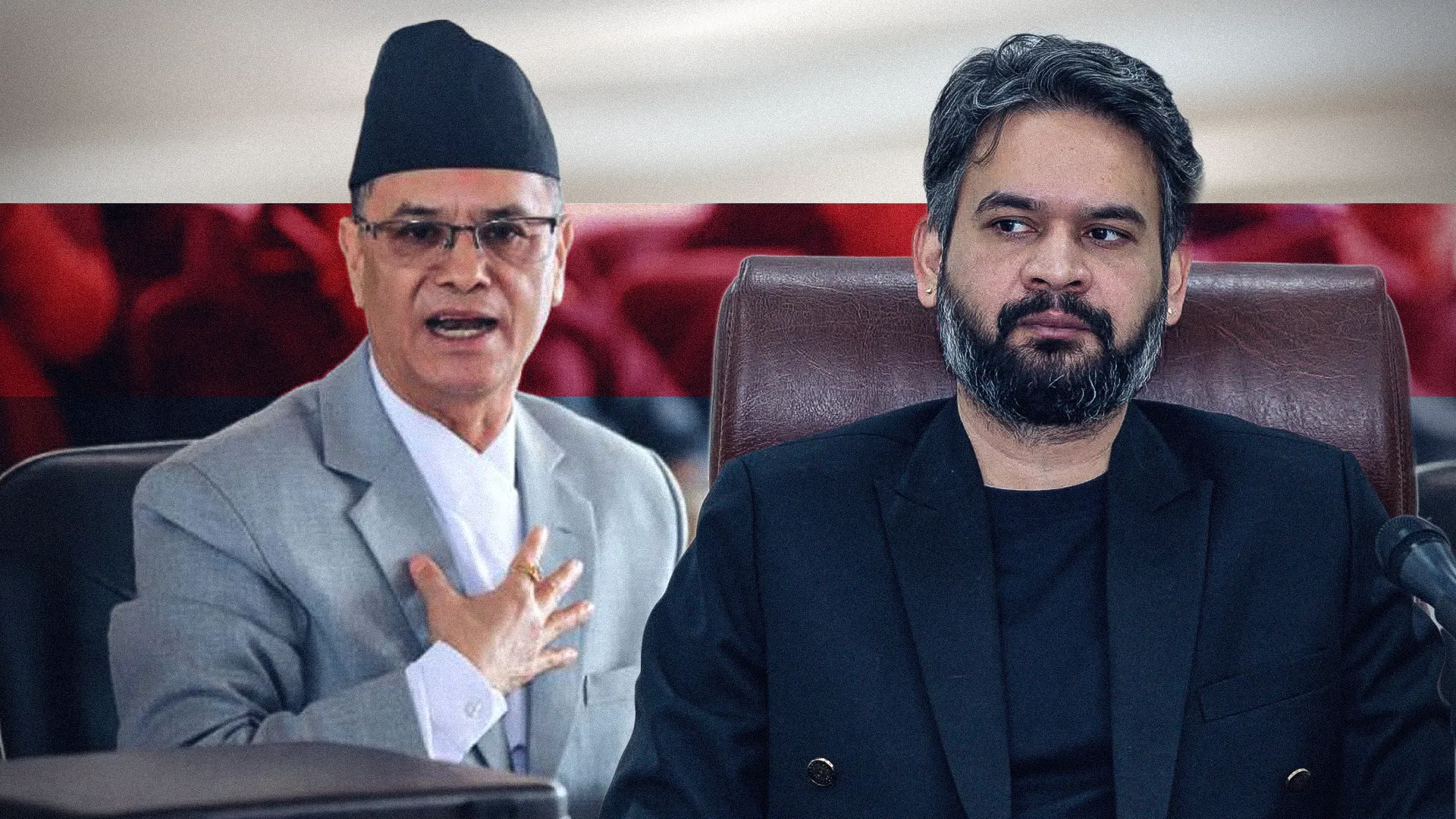
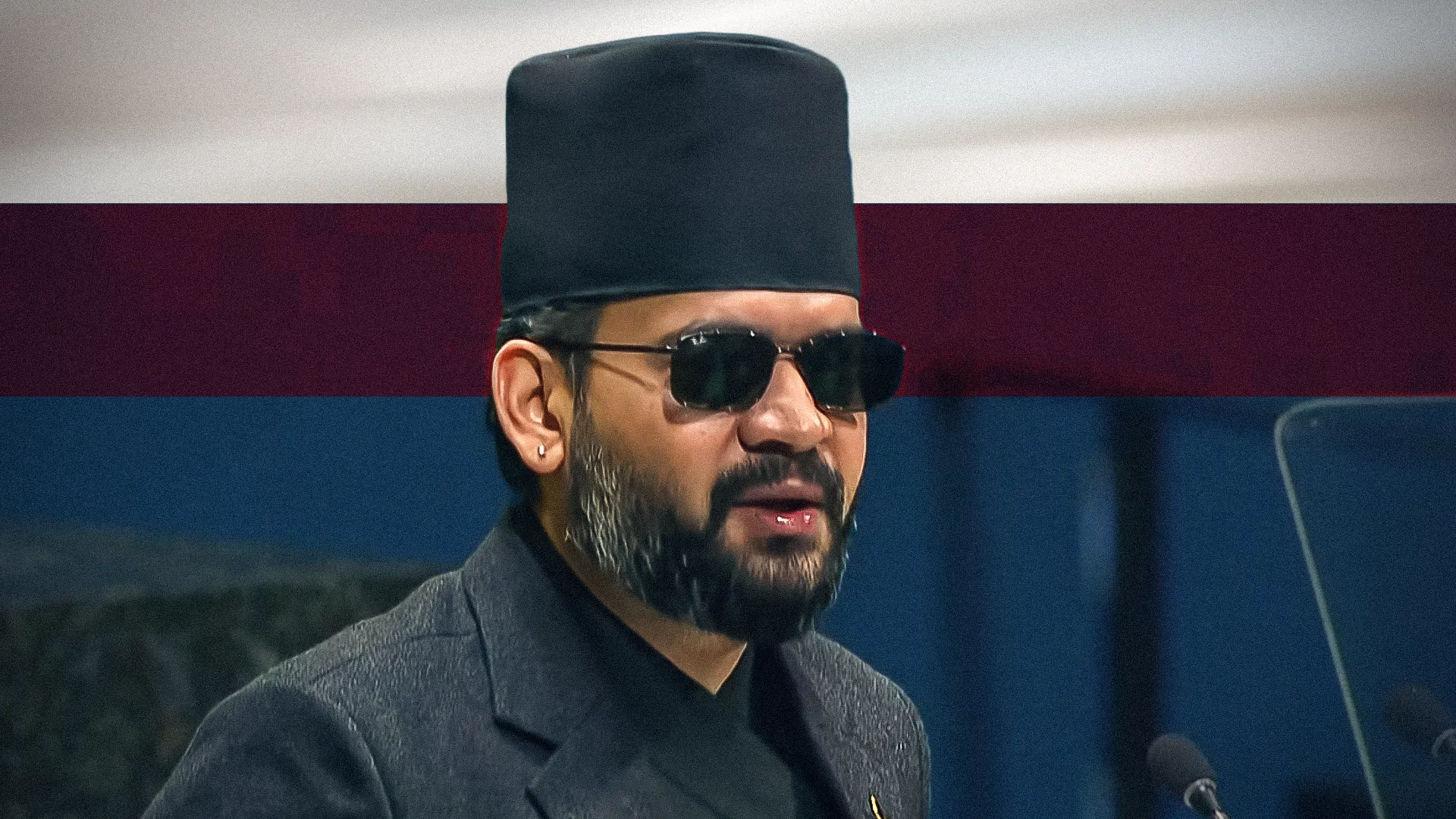
Interestingly, RSP senior leader, or, rather celebrity leader, Mr Balen Sah, projected as the would-be prime minister of the country, remained conspicuously absent. Why he preferred to remain absent in an important party event will be known only to Sah himself. It may be unwise to attend official programs without first having an official oath. Then what about meeting COAS even before oath taking, after being elected as the Mayor of KMC? If he is too busy drawing a master plan for the up-coming government, still that could have been managed through video messages and live calls. An online portal mentioned he is not interested in party politics; he wanted to draw a clear line between party politics and running the government. Other social media questioned on the very reputation of the hotel owner where the event is being organized.
Whatever may be the true reason, his absence only adds up to the growing speculations over possible rift between two celebrity leaders. Isn’t the discipline and responsibility should first be set by the leaders at the top and then percolate downwards?
Haunted by bewastha-awastha hypothesis
Whatever may be the reasons, RSP is to be haunted by an “awastha-bewastha hypothesis”. Within RSP, there are people who subscribe to the idea that the awastha (condition of the country) cannot be changed without changing the bewastha (system) and there are people who subscribe to the idea that awastha can be changed without changing bewastha or the Constitution.
A fish rots from its head

Interested in this ad?
Would you like to continue to the link or provide your information for more details?
Please provide your information
To continue, please fill in your details
If there is any problem with Nepali politics then it has to do with leadership crisis. Yes, there is a crisis of leadership in our system. We have too many leaders, with little or no leadership at all. And to add insult to the injury: In other places crisis situations create leaders, in our case, it is leaders that create crisis situations. I, recently, read an African proverb: If the the leaders do not manage crisis situation, the crisis situation manage leaders. The concepts of integrity, accountability and transparency must start from the top. A leader who is already embroidered in numerous scandals and fighting legal cases cannot preach lessons to his followers. There is a Malaysian saying: How can a crab teaches its children to walk straight?
Tone at the top
There are news now that Mr Gagan Thapa, the new president of Nepali Congress, has resigned due to poor electoral showing by NC. That is the best thing to do. It is also being rumored his resignation is not going to be accepted by the Central Committee. That is pretty bad thing to do. Thapa’s resignation is not going to put a set back on his leadership capability.
Public is expecting a similar move within CPN-UML. Deposed president of Nepali Congress, Mr S. B. Deuba, at least, maintained his status by keeping quiet and seeking to remain outside the controversy.
Rule by law and rule with law
The problem with Nepal’s rule of law is that rules are meant only for the people under you, not above. That is rule by law or rule with law, definitely, not rule of law. We have ingrained this habit since the days of authoritarian monarchy - monarchy is suppose to remain above the law. Could this be the reason why some people are still dreaming and demanding for the return of monarchy?
Toxic Flowers
Definitely, recent electoral outcomes have dismantled the leadership of the trio - the good, the bad and the ugly of Nepali politics. It may be difficult to identify who is good, who is bad and who is ugly. But the recent turn of the events speak comrade Mr. P. K. Dahal clearly having a quixotic moves: In spite of having a shameful electoral performance, he still think himself as “the lion” of Nepali politics; he thinks he has a greater responsibility now to lead both new and old politics. Definitely, he is a man with a character to make you laugh. Earlier, he called new leaders as “the flowers” of FDR Nepal without knowing that some flowers are toxic and poisoning as much as charming and attractive.