

Introduction: The Watchdog Under Siege
The concept of the "Fourth Estate" has long served as a cornerstone of democratic governance. Widely credited to British statesman Edmund Burke in 1787—who gestured to the Reporters' Gallery during a parliamentary debate and declared the press an estate far more important than the traditional three branches of government—the term cements the news media as a vital pillar of democracy. Alongside the legislative, executive, and judicial branches, the press exists to hold power accountable, keep the public informed, and shape societal discourse.
However, as this crucial democratic institution navigates the modern era, it is forced to defend its foundational duties against escalating challenges. In Nepal today, these challenges have materialized into severe political and economic pressures, a digital disruption that favors partisan echo chambers over objective reporting, and a government that seems intent on silencing its critics.
The Economic Chokehold on Private Media
The reality of press freedom in Nepal has fundamentally shifted, and the battlefield is now economic. The free press has historically relied on government expenditure for advertisements as a major source of income. By cutting off this lifeline, a government can effectively cripple independent journalism without ever having to explicitly ban it.
This is no longer a hypothetical threat. In a sweeping move to centralize communication, the government recently circulated a restrictive directive to all tiers of the state.
Issuing Authority: Office of the Prime Minister and Council of Ministers
Directive Content: A formal circular issued to all government authorities—including Federal, Provincial, and Local Governments—instructing them to immediately halt the distribution of public advertisements, notices, and promotional campaigns to private media outlets. The letter mandated that all state bodies route their communications exclusively through state-owned media and official government social media channels, effectively blocking public funding to the private press under the guise of austerity and centralized digital communication.
The Paradigm Shift: From Oli's Fears to Balen's Stronghold

Interested in this ad?
Would you like to continue to the link or provide your information for more details?
Please provide your information
To continue, please fill in your details
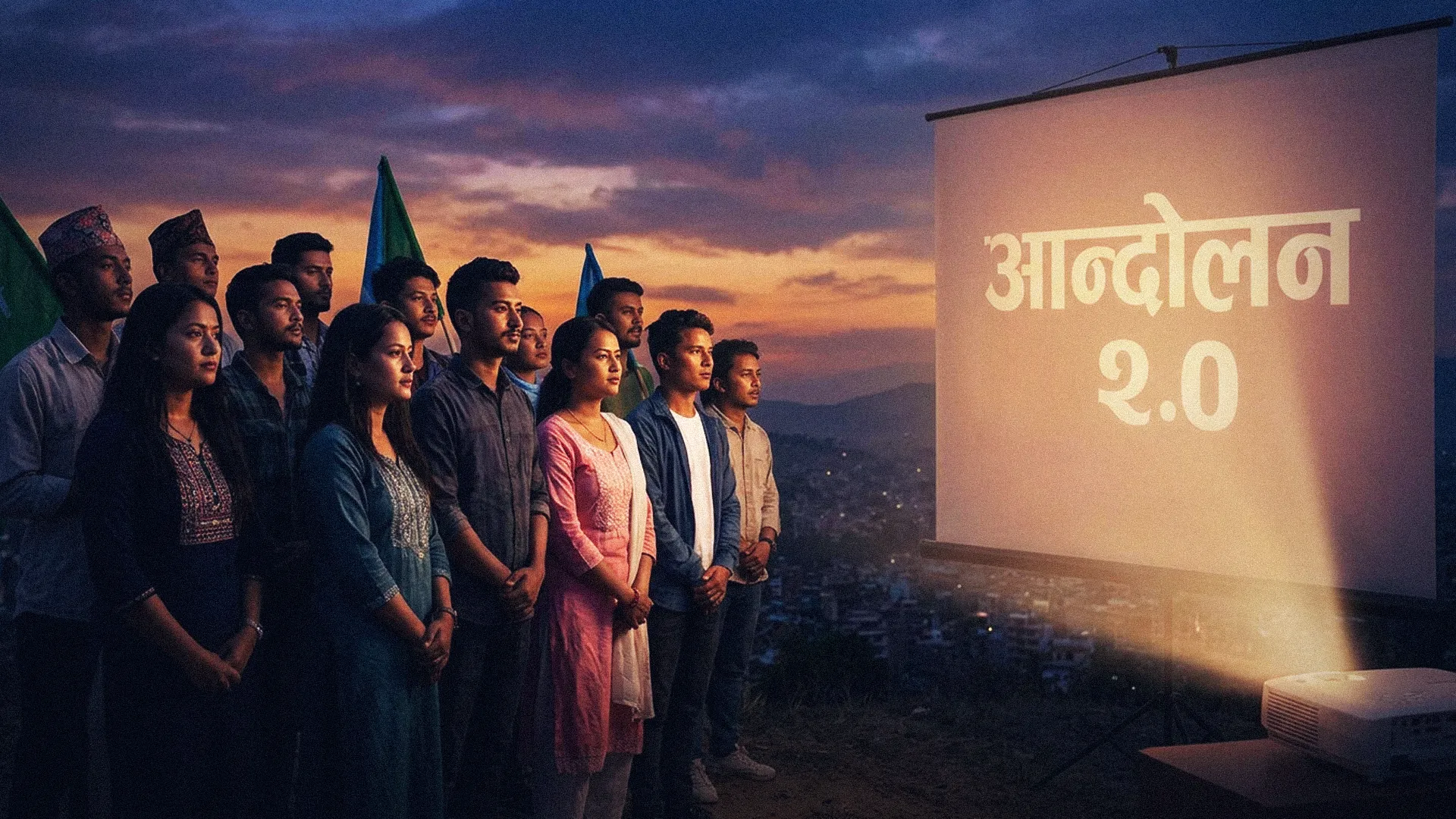
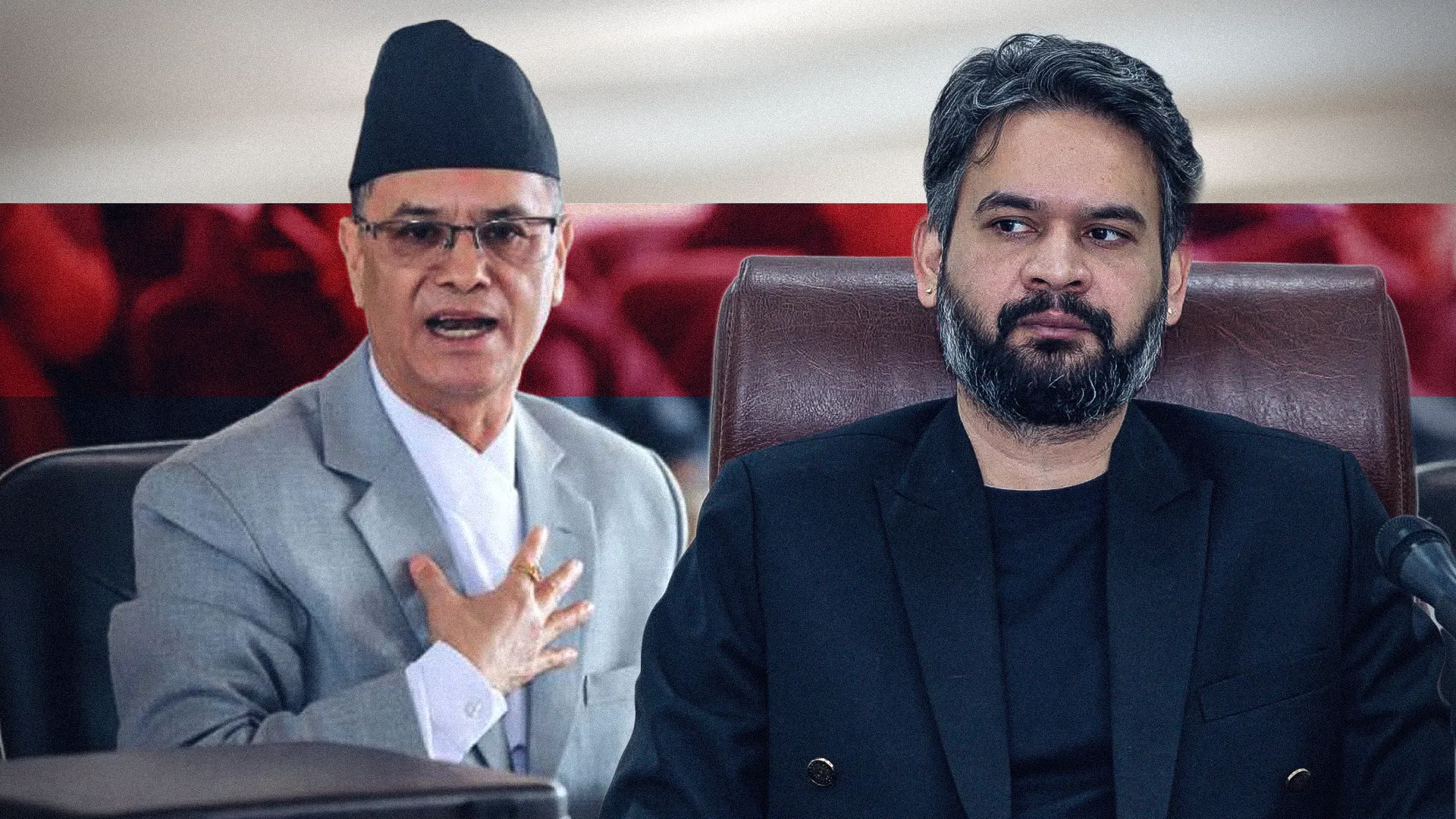
To understand how we arrived here, we must look at the shifting political landscape. KP Sharma Oli now sits in the opposition, and Balendra Shah occupies the Prime Minister’s office—a profound contextual change driven by the recent youth-led uprisings.
Before the Gen Z protests that reshaped our political reality, I had a meeting at the Prime Minister's office with the advisor to then-PM KP Sharma Oli. During our conversation, the advisor candidly admitted that the government’s major digital threat was not the traditional opposition parties, but the aggressively organized social media activities of supporters backing Balendra Shah, Rabi Lamichhane, Harka Sampang, and Pushpa Kamal Dahal 'Prachanda'. They recognized, perhaps too late, the weaponization of the digital sphere.
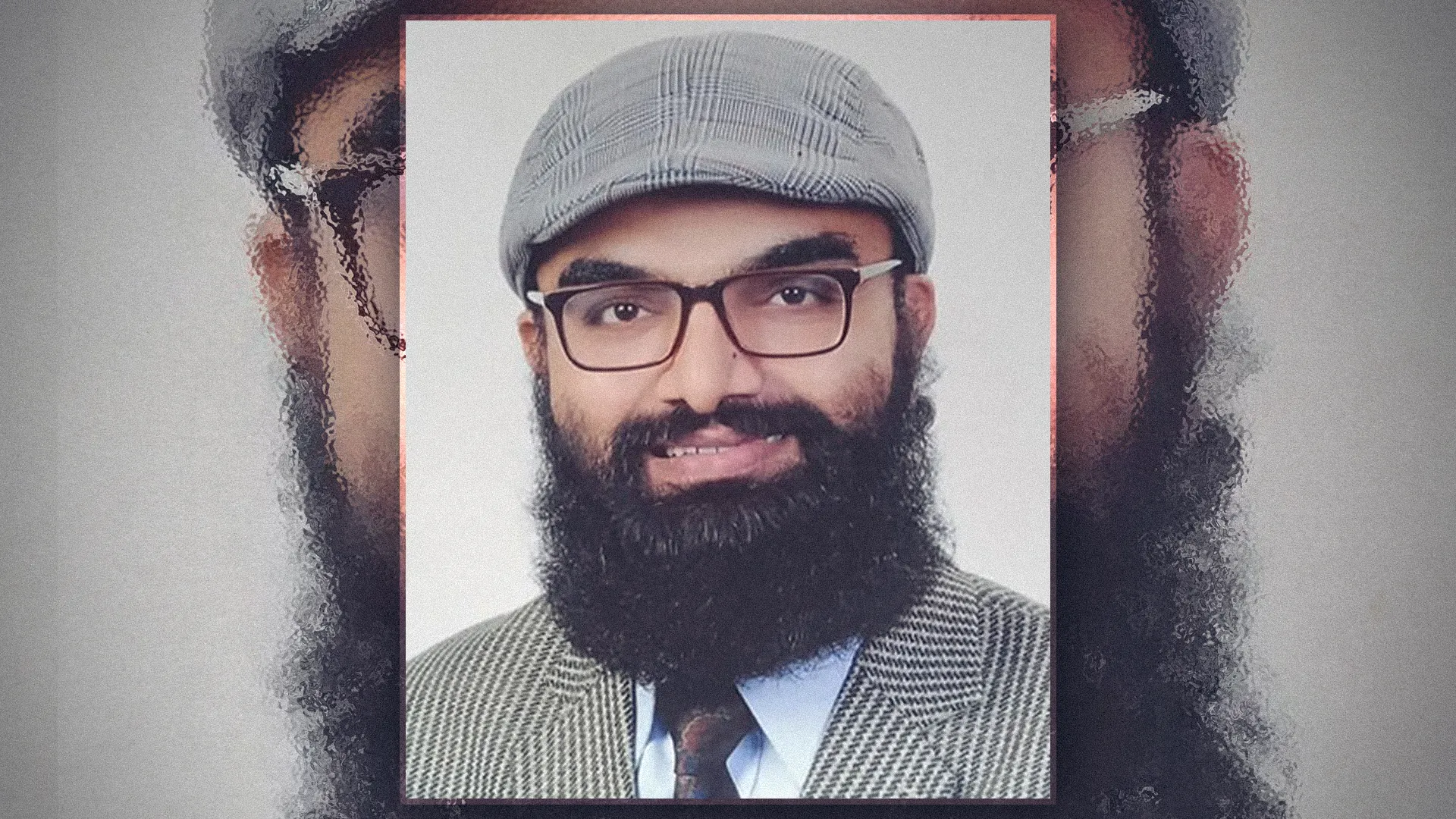
Conversely, the new administration understood this power from the beginning. During Balendra Shah’s tenure as the Mayor of Kathmandu, I had an informal meeting with his chief advisor, Kumar Ben. In that discussion, Ben proudly claimed that their team controlled hundreds of social media handles. Current reports continue to suggest that the Prime Minister and his inner circle maintain direct or indirect control over massive Facebook pages and an army of social media accounts.
Bypassing the Press for a Digital Echo Chamber
When you piece these elements together, a concerning picture emerges: the Prime Minister does not seem to want a Fourth Estate. Traditional media demands accountability, asks uncomfortable questions, and requires transparency. Social media, on the other hand, allows for a one-way dissemination of information where the Prime Minister holds an unassailable, highly curated stronghold.
This anti-press sentiment is not limited to financial starvation; it is increasingly spilling over into physical hostility. Just yesterday, on May 4, 2026, news surfaced that the Prime Minister instructed security officials to stop journalists from filming the premises of the Prime Minister's Office. Although the administration quickly refuted the allegation, the chilling effect of such incidents on the ground cannot be ignored.
Conclusion
A democracy cannot function on viral posts and algorithmically boosted Facebook pages alone. Social media handles, no matter how numerous, are not a substitute for rigorous, independent journalism. By starving the private media of its primary funding and physically restricting journalists' access, the current government is not just redefining its public relations strategy—it is slowly dismantling the Fourth Estate. If we allow the press to be replaced by state-controlled digital megaphones, we risk losing the very accountability that the public marched for in the first place.