



Four explanations
In early 1990s, as a part of my academic research, I reviewed prevailing development thoughts in Nepal. As of present day, the paradox of “half-full, half-empty” was in vogue. However, I ended up summarizing four explanations on development. Here is the summary, published elsewhere:
(1) Resource poor argument that included Nepal to be small, poor, landlocked, bad neighbour, mountainous, rugged, fragile topography and climate sans valuable mineral deposits. This is what every students learned during their school days. I call this panchayat era explanations.
(2) By 1980s, faulty approach to development emerged. This included rapid, unpredictable shifts in development ideology, foreign aid and donor dependency, excessive experimentation, sloth in bureaucracy. Late Harka Gurung called them “cavalcade of concepts”.
(3) The political economy concept which says, without keeping politics clear, you cannot have economic development. This was also the time when panchayat system came under severe attacks from multiparty camps.
(4) With the publication of Prof. Dor Bahadur Bista’s “Fatalism and Development”, we started looking into softer issues like culture, society, ethnic diversity, language and religion as a factor behind economic development. We focused too much on “being” rather than “becoming”, too much on duties and obligations rather than on inherent rights and privileges. During my stay abroad, a South Korean friend told me, “Nepalese are so complicated”. I asked him, why? He responded, you people look so different, some are like Chinese, some are like Indians, Thai, Filipino and some even like Caribbeans. Many mistook me as a Singaporean. While on flight to Tokyo, a Japanese sitting next to me chatted me in Japanese, mistaking me as one of his natives.
Faulty narratives on fray
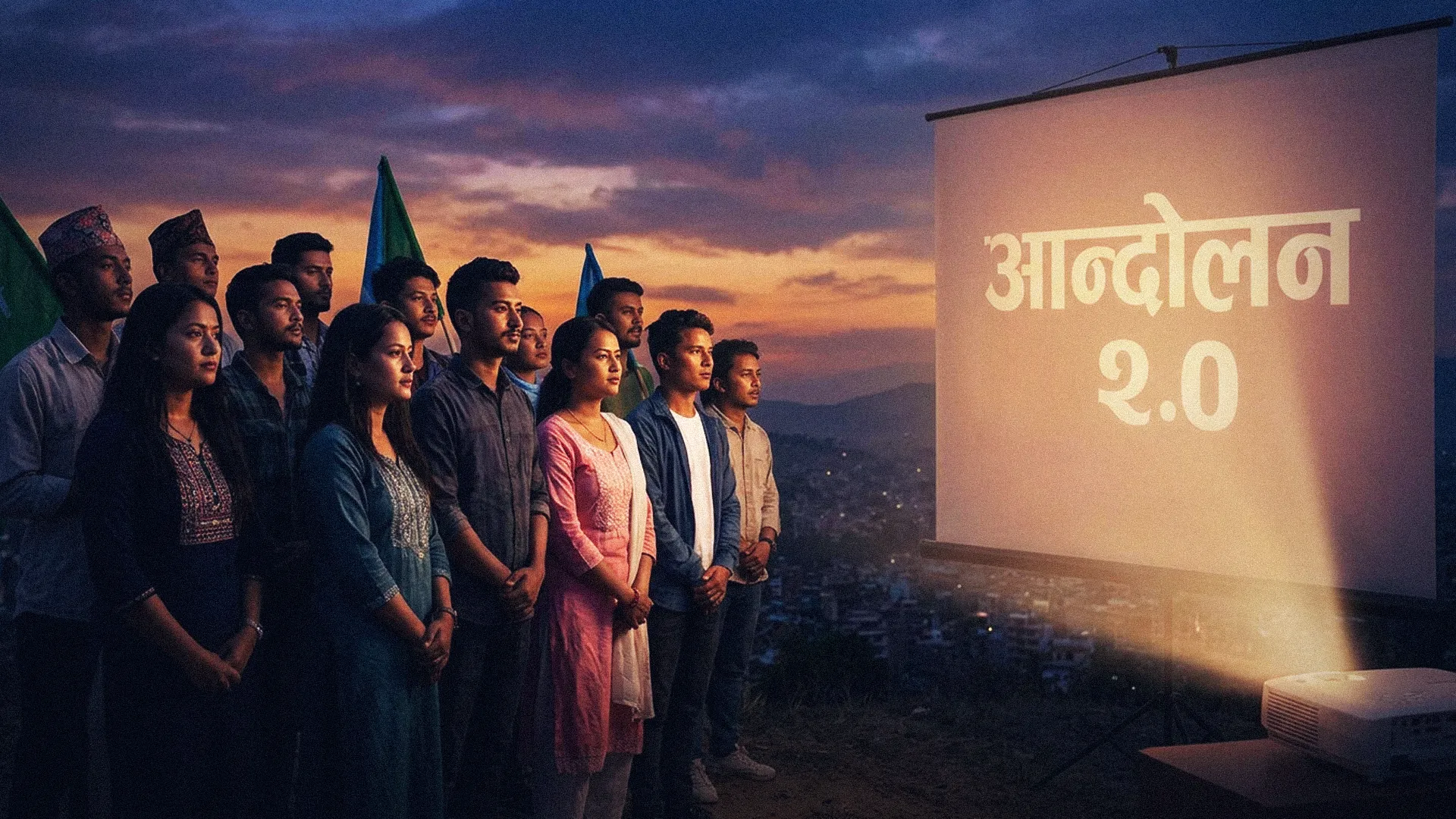
In the aftermath of Gen-Z movement (it is not even a movement for me), two narratives have occupied the minds and thinking of our so-called intellectuals. One: Nothing happened during last 30-35 years. If anything happened than it has to do with corruption, bad governance, inefficiency, sloth and politicization. By the way, the word “politicization” could mean a different thing in a different context. I was shocked to know that, in Russia, when they say “lack of politicization”, it basically, refer to politicians ignoring or not taking up that issue. Here we refer it as excessive partisan interest, perversity or diverting the issue. Two: Nepal fared worse in every context compared to neighbouring or other countries of the world. Never mind, similar narratives were also ingrained in our minds when we were opposing dark days of panchayat rule. If these narratives are with youngsters, I would not have anything to complain because they have not gone through the difficult days of panchayat system. But it is really dangerous when matured guys, who have been into the apex of power, think like this. Either they are opportunits, or, if not, shameful to see them or listen to them. One need to ask a honest self-appraising question: Ke yesto ho ra? Did nothing happened during last three decades? Nepal khatam xa? Were we sliding evey day, down under?
Two questions to answer

Interested in this ad?
Would you like to continue to the link or provide your information for more details?
Please provide your information
To continue, please fill in your details
It is said that we will have a most powerful theory, even when grounded in absurd assumptions, seeks to explain lot many things. You don’t need to rely on arcade jargon and concepts, incomprehensible to common minds, to explain Nepal’s current state of affairs. Here are two simple objective questions to ask and ask you to find your own answers:
1. For Nepal’s development (whatever that means), do we need more (a) army or (b) school teachers. Having ticked the answer box, I will ask the readers, to collect facts, data on number of armies and teachers, their growth rates, budget allocation and, if possible, the state of corruption within. I very much suppose, you find the answers and you got to the point where we are and the “Elephant in the Room” - the state within a state.
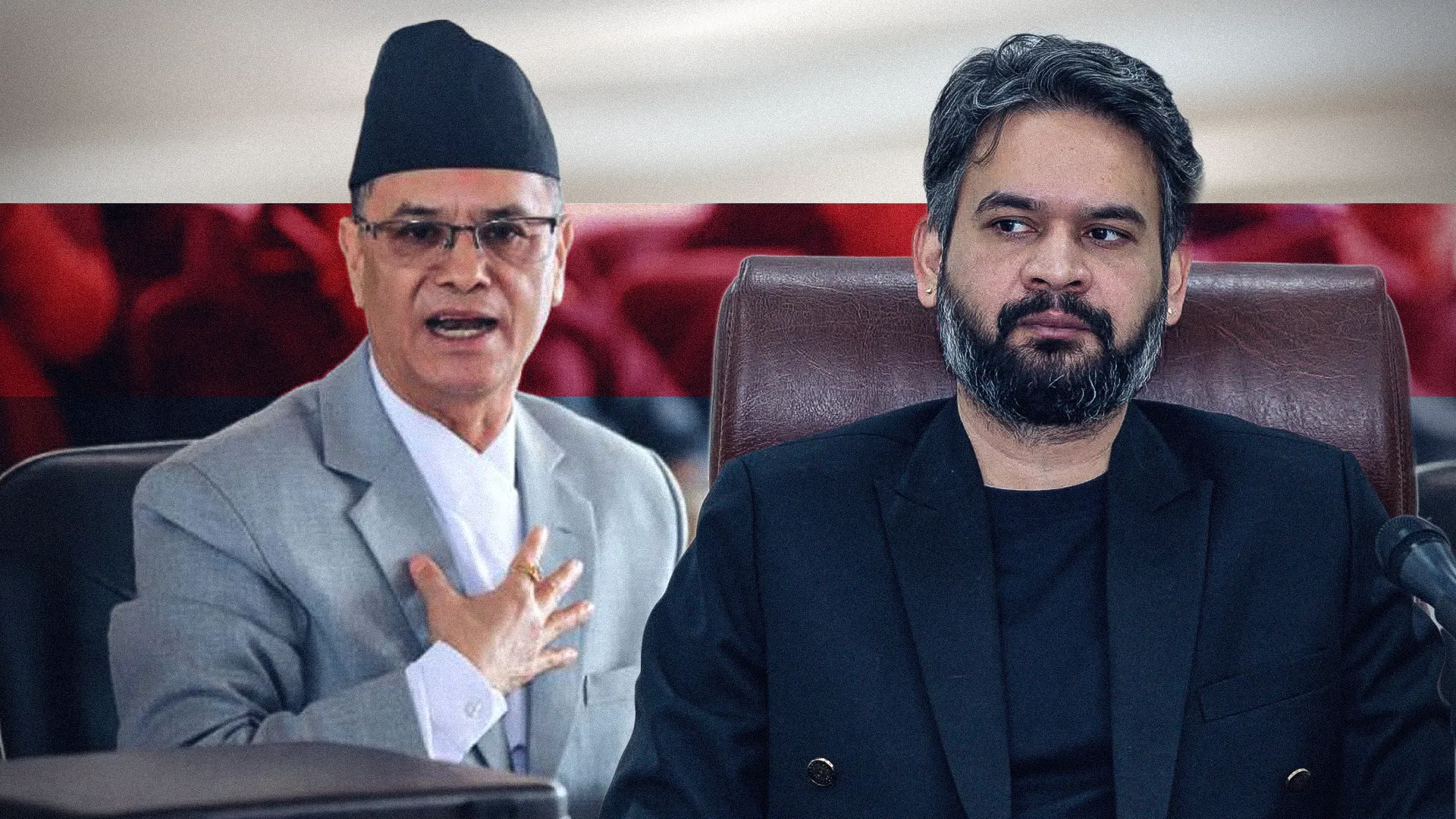
2. The above question is related to our internal affairs, here is the second question on external front. This requires a bit of description before posing the question. Suppose, say, a devoted wealthy Japanese visited Nepal. After visiting Lumbini - the birth place of Lord Buddha, he proposed two projects to our, say, preent day, overly hyped Balen government, for due approval.
Project A: Having understood Japanese people’s affection and devotion with Buddhism, he wanted to cash on them. He plans to build a factory inside or near around Lumbini - producing small souvenir like key-chains containing a small quantity of soils from Lumbini site. He plans to export these souvenir key chains to Japan with a considerable profit, government revenue and generating jobs to locals - forget about backward and inward linkages. But he is very much specific that he will provide jobs to 100 unemployed, under educated, dis-oreinted youths in Nepal.
Project B: That Japanese businessman owns 100 chain-restaurant in downtown Tokyo. He plans to introduce Nepali style momos in his restaurants. For authenticity, he plans to employ 100 youths from Nepal. Therefore, Project B included taking away 100 youths from Nepal to Japan, training and employment in momo-making in his Tokyo based restaurants.
Here is my question to the readers. As a policy makers which project you will approve? Project A or Project B? Having ticked your response, now my next question, if some others were in your position, what will they tick? Will their response be different from yours? If so why? Do you think “what we ought to or should do” differ from “what we like to do”.
There is a saying, “curiosity kills the cat”. If you are still curios, serious with the issue, just check the background of these arthamantris, policy makers and so-called pundits and find out where the country is heading toward - Quo Vadis?