



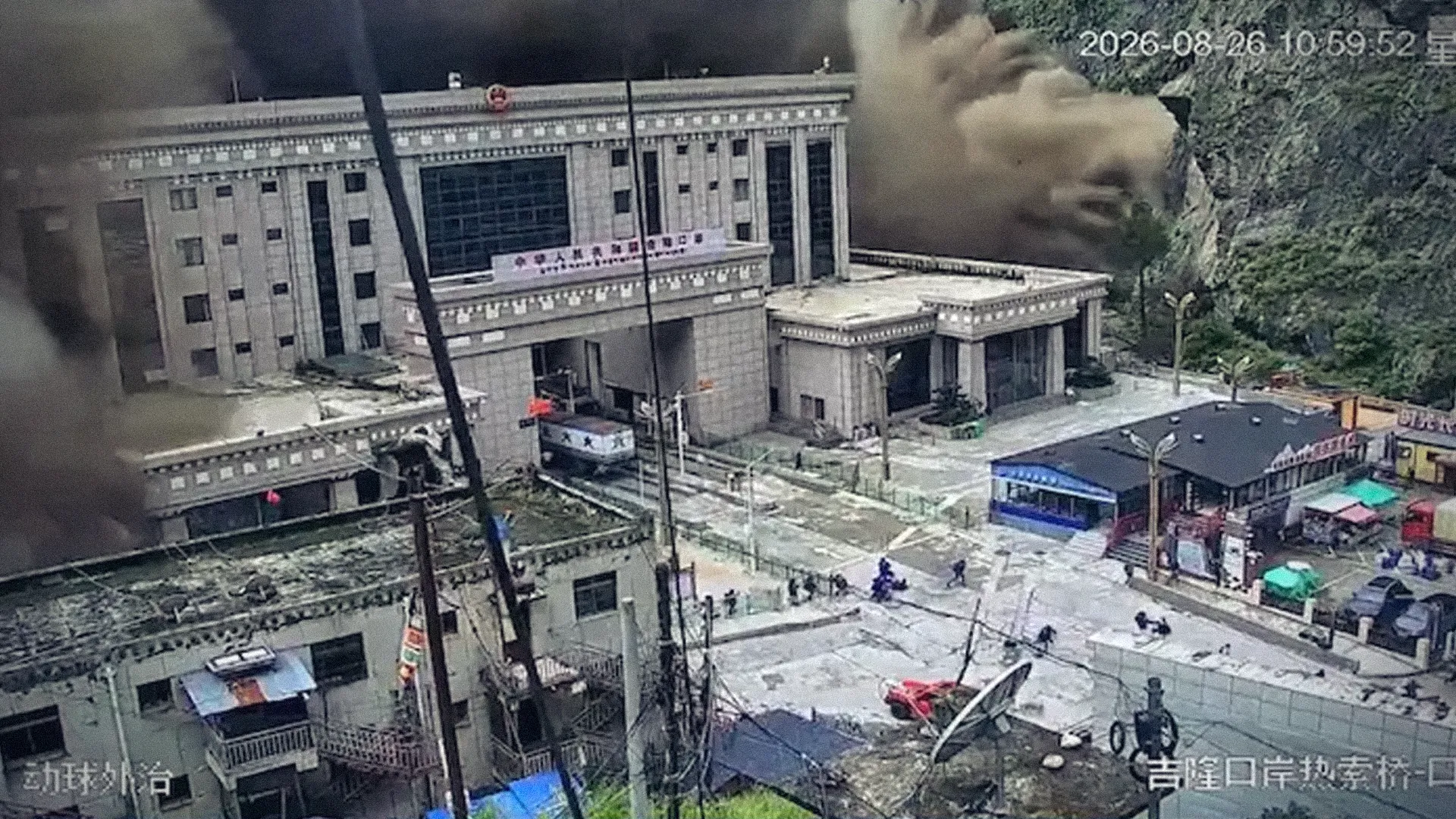
Rescuers along the Himalayan border are facing an escalating race against time following a catastrophic mudslide that triggered fatal flash floods across Tibet and Nepal, while a rapidly filling upstream barrier lake now poses an imminent breach risk.
The catastrophe began near Gyirong when a massive hillside collapse dumped rocks and mud into the Lhende River. The resulting surge swept violently through the Bhote Kosi and Trishuli river corridors, destroying power projects, wiping out crucial roads, and devastating communities on both sides of the frontier.
Official reports from Chinese state broadcaster CCTV indicate that at least 558 people are missing in Tibet alongside three confirmed fatalities. Downstream in Nepal, the sudden deluge claimed at least 177 lives and left hundreds more unaccounted for, including nearly 100 Chinese nationals operating in Nepalese territory.
Escalating Secondary Hazard
Disaster management teams are now closely monitoring a barrier lake at the junction of the Chhochen Khola and Purepu Tsangpo rivers. Currently retaining over 2 million cubic meters of water, the natural reservoir is already spilling over its edges.

Interested in this ad?
Would you like to continue to the link or provide your information for more details?
Please provide your information
To continue, please fill in your details
According to China's Ministry of Water Resources, an influx of an additional 3 million cubic meters of runoff is expected within 72 hours, creating an acute hazard that could overwhelm downstream relief operations if the structure collapses.
Emergency Response and Context
Specialized emergency units from Beijing and Chengdu have been deployed to bolster local military and police operations. While power and telecom services have been restored in central Gyirong, communications with the vital border port remain severed.
The disaster highlights the growing vulnerability of Himalayan river basins, coming just a year after an August 2025 glacial lake outburst in Tibet killed nine people and damaged critical cross-border transit infrastructure.