


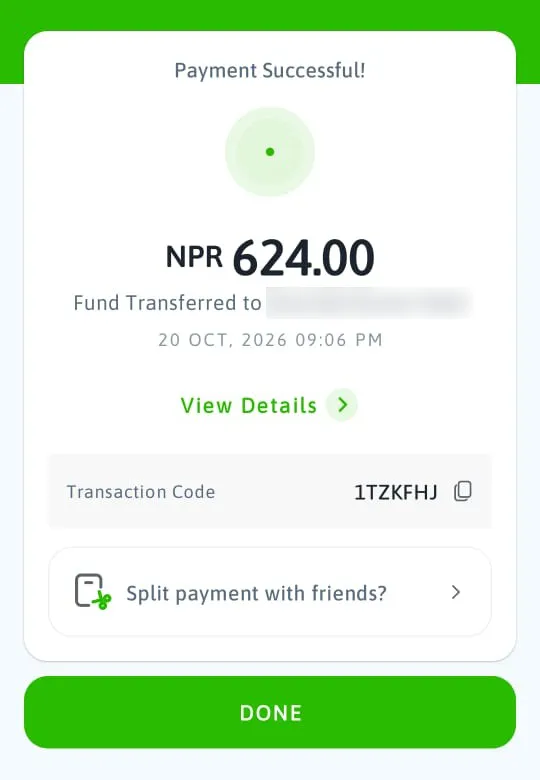
In Nepali society, there is a widespread culture of quietly tolerating fraud or inedible items with a 'let it be' attitude without lodging a complaint. However, an example of how consumer rights are protected when citizens are aware was seen recently in Kathmandu on the day of Maha Navami during Dashain. On October 20, 2026, with no one at home and suffering from severe exhaustion after a long journey, Delta (name changed), residing in Budhanilkantha, booked a Pathao ride from the airport and reached home. Exhausted, he ordered chicken biryani from Sultan Biryani in Baluwatar through Pathao Food in the evening. However, the food delivered to his home was completely inedible, stale, and foul-smelling. Adopting a different approach from the usually silent general public, Delta immediately registered a strong complaint with Pathao Food's customer service. After a brief conversation and verification of the situation, Pathao Food admitted its mistake and refunded the full amount of the foul-smelling food to the customer.
Taking advantage of the festive season, the game of online food suppliers and restaurants misleading consumers has flourished equally. Especially during festivals like Dashain and Tihar, there is a competitive rush to inflate the actual price of food up to three times and advertise attractive 50 percent discounts. Behind such alluring discounts, even the minimum quality of food is not maintained, and the practice of sending stale and inedible dishes stored in refrigerators for many days to customers has flourished, playing a serious gamble with the health of naive consumers.
Another incident of consumer exploitation occurred at a restaurant on New Year's Eve, the eve of the English New Year 2026. After finishing their meal, Alpha (name changed) ordered a parcel of 'Paneer Butter Masala' for home, expecting to bring joy to their family members. Upon reaching home happily and opening the package, the family was suddenly taken aback—the gravy contained spices and everything else, but the main dish, paneer, was completely missing. Presumably due to the New Year rush and kitchen chaos, the chef or cook had forgotten to add paneer to the gravy. When the customer called immediately, the counter reception acknowledged the error, but the kitchen staff refused to accept their mistake. At that time, the restaurant management promised to make a proper Paneer Butter Masala on the next visit, but without offering any immediate compensation, leaving only the possibility of addressing the demand during the next visit to the restaurant.

Interested in this ad?
Would you like to continue to the link or provide your information for more details?
Please provide your information
To continue, please fill in your details
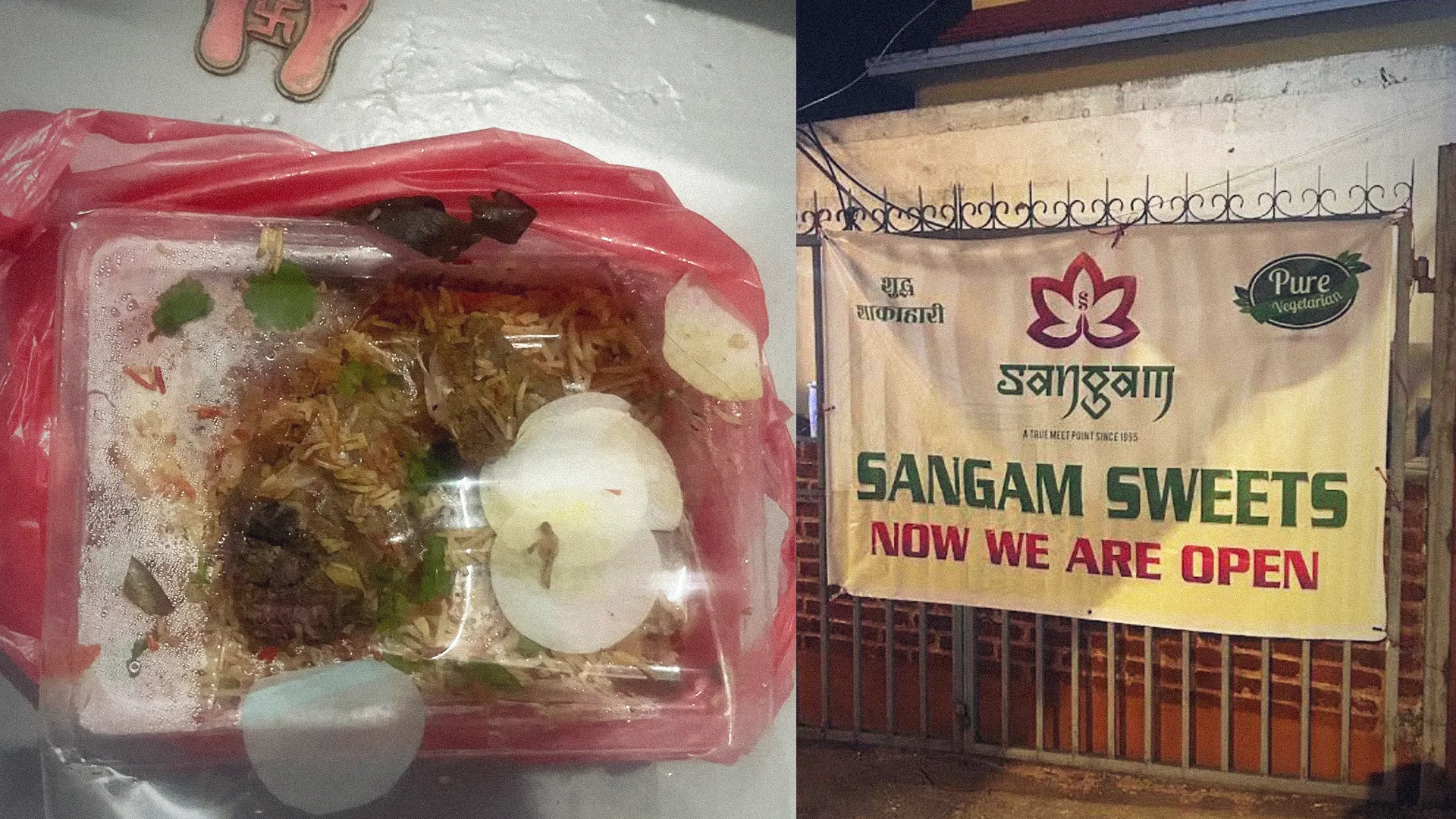
The negative impact on the service and quality of the famous 'Sangam Sweets' in Budhanilkantha, Kathmandu, also appears concerning from the perspective of consumer rights. This sweet shop in Budhanilkantha has relocated from its old location to a new site. Having been a regular customer of Sangam Sweets at the old location, Alpha provided feedback at the reception about the average quality of the food while paying. When asked why there was such a shortcoming at the Budhanilkantha branch when excellent taste was available at the main branch in Kamalpokhari, the cashier gave an irresponsible reply: "All the food is prepared in Kamalpokhari and sent here; we only heat and serve it." Later, after moving to the new location, during another visit, a female cashier with an English accent was sitting at the counter. There, Alpha inquired about the available items and ordered Masala Dosa, but an accompanying friend mentioned Samosa and Chaat instead of Dosa. Due to confusion in communication, Masala Dosa, Chaat, and Samosa all arrived at the table. To avoid wasting the prepared food, the customer accepted it, but upon eating, found that the Dosa's sambar and the Chaat's green pea curry were completely foul-smelling.
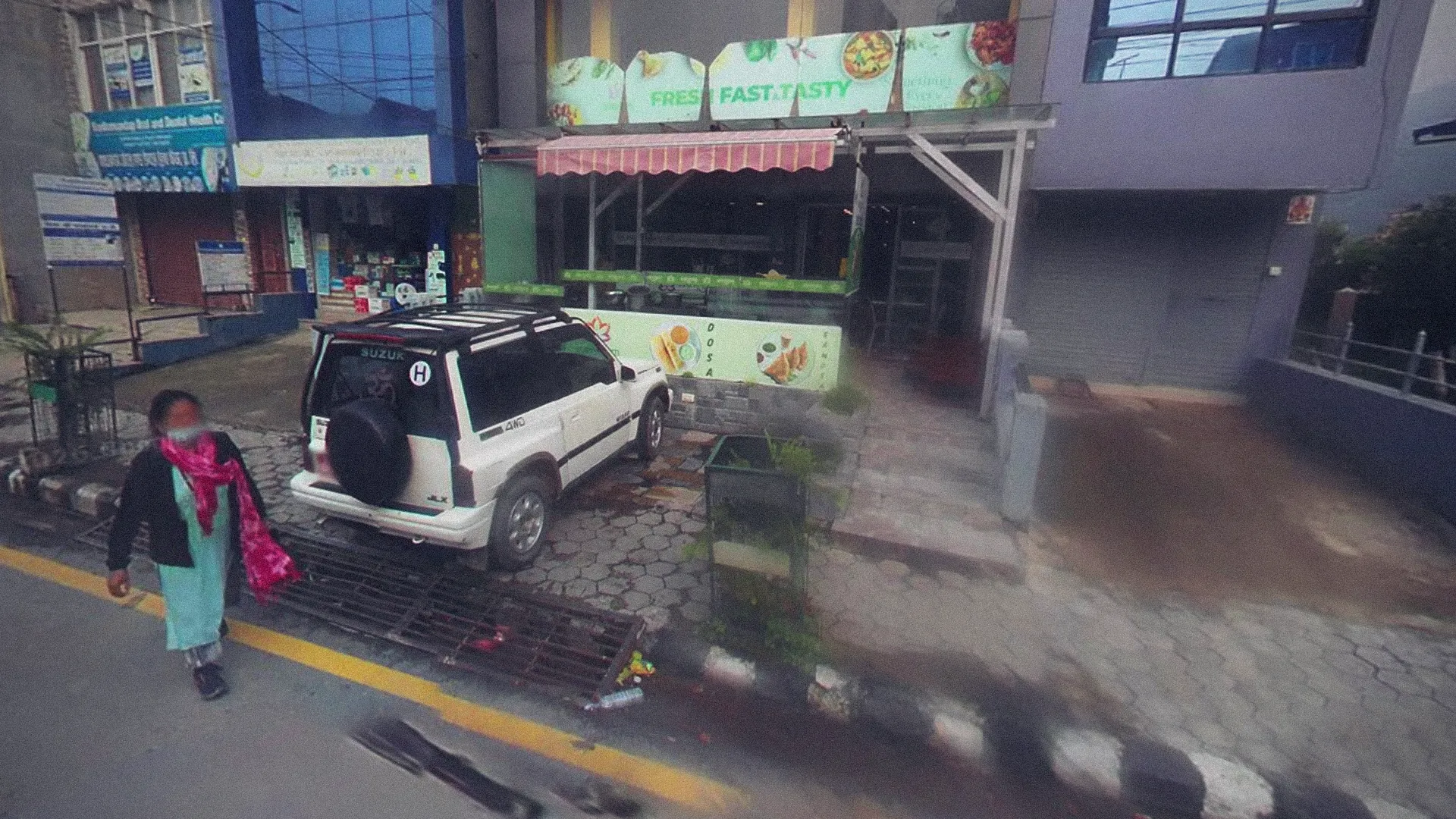
Even though the food was foul-smelling and inedible, Sangam Sweets collected the full payment from the customer. Although the counter staff admitted that the food was stale as it was prepared in the morning, they forcibly denied the fact that it had become foul-smelling. Despite upgrading physical infrastructure with heavy investment and operating a hotel, customers have ended up extremely dissatisfied and disappointed with Sangam Sweets' service. It is worth recalling that years ago, a serious complaint had arisen regarding the quality of food at Sangam Sweets after a cockroach was found inside a dish, raising repeated question marks over its brand and management.
Such negligence by business owners and gambling with consumer health in Nepal's food market is nothing new. A few decades ago, an incident where a dead mouse was found inside a samosa at the famous 'Tip Top' in New Road, Kathmandu, caused a major stir across the country. After such inedible and gruesome adulteration was discovered in a popular sweet shop located in Kathmandu's prominent commercial hub, a nationwide debate was sparked regarding consumer rights and food safety. The incident became so famous and a matter of widespread interest that even senior comedian Deepakaraj Giri's popular comedy telefilm 'Titto Satya' broadcasted a special scene depicting a mouse found inside a samosa in a satirical manner.