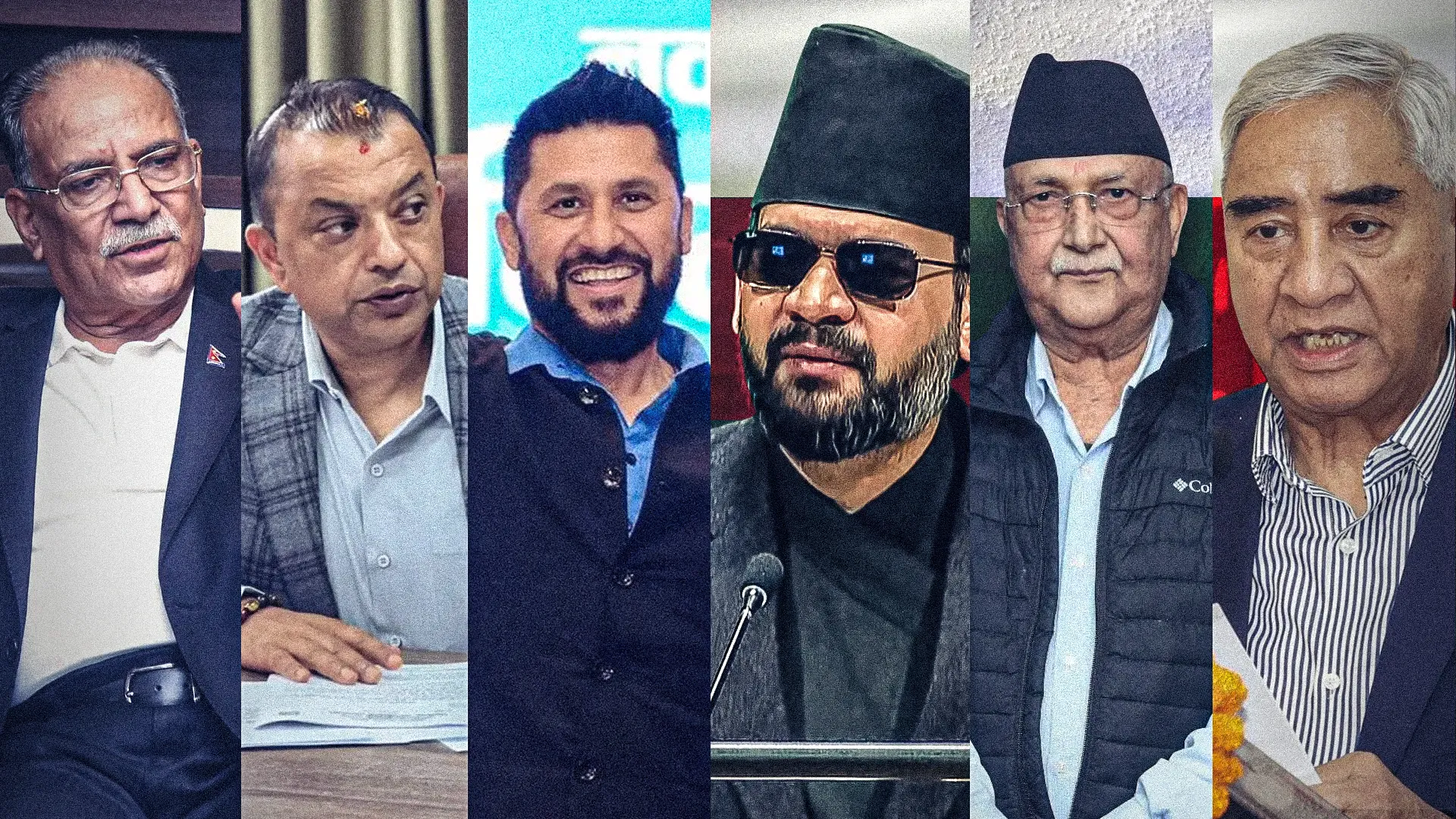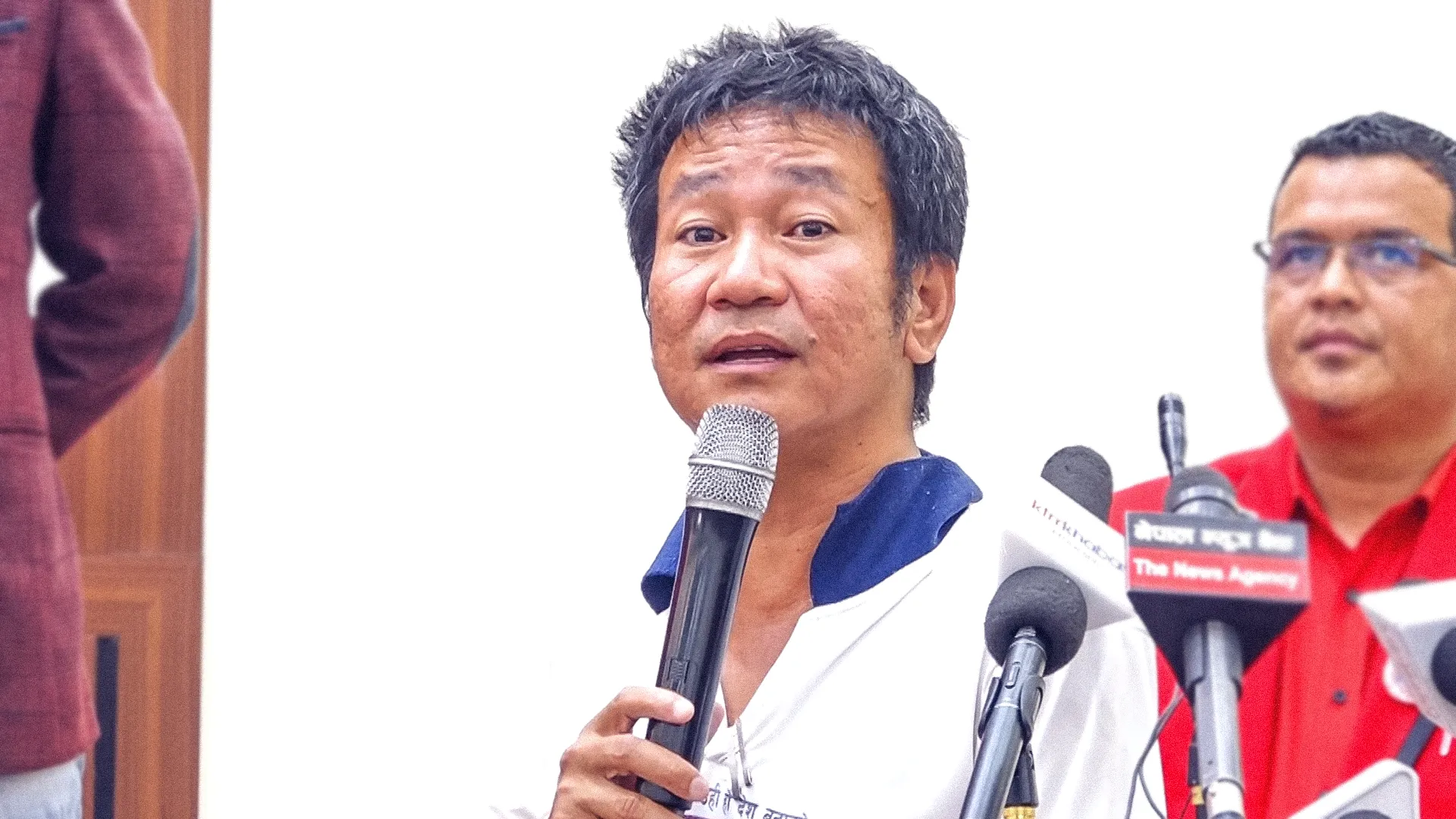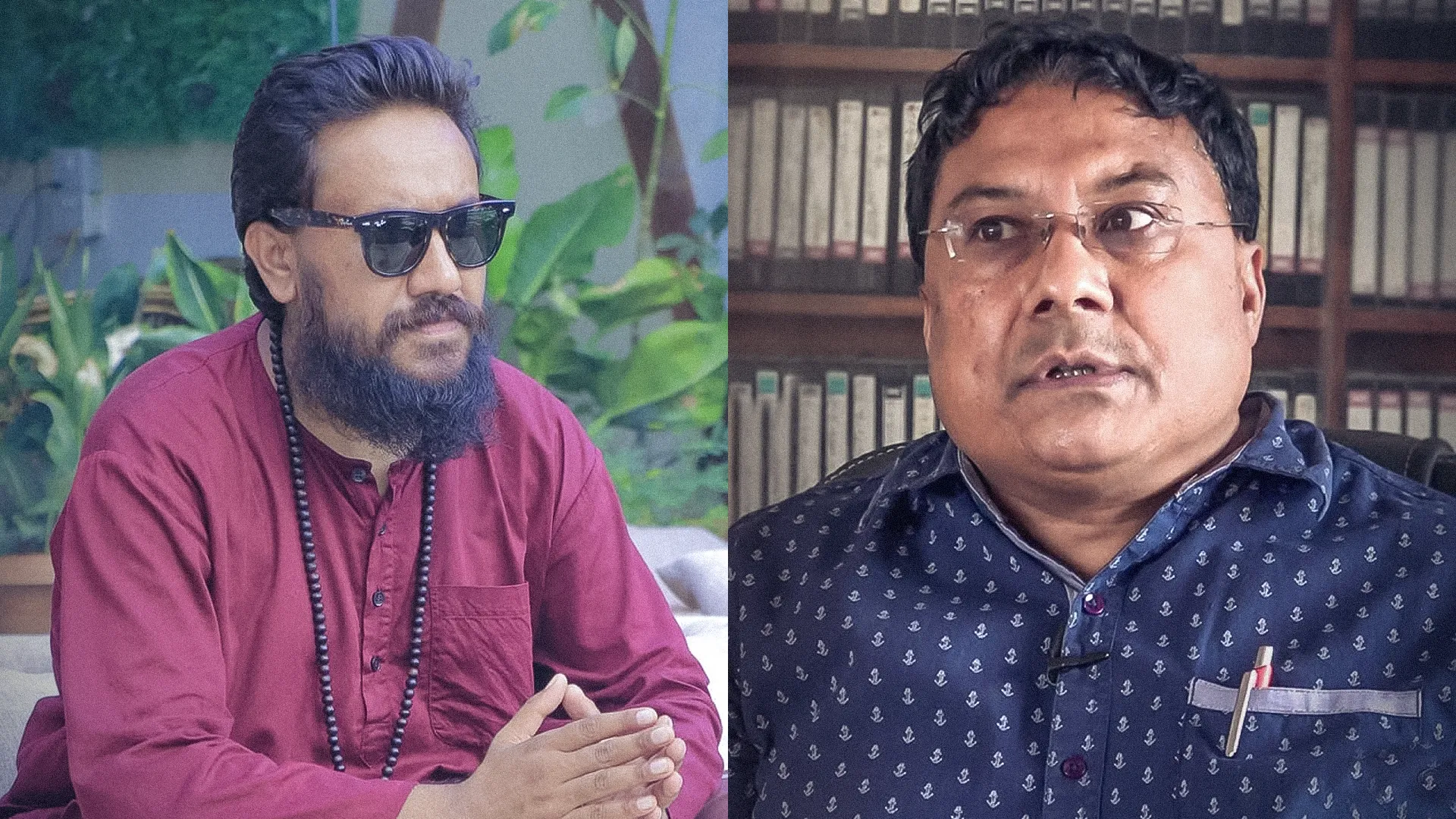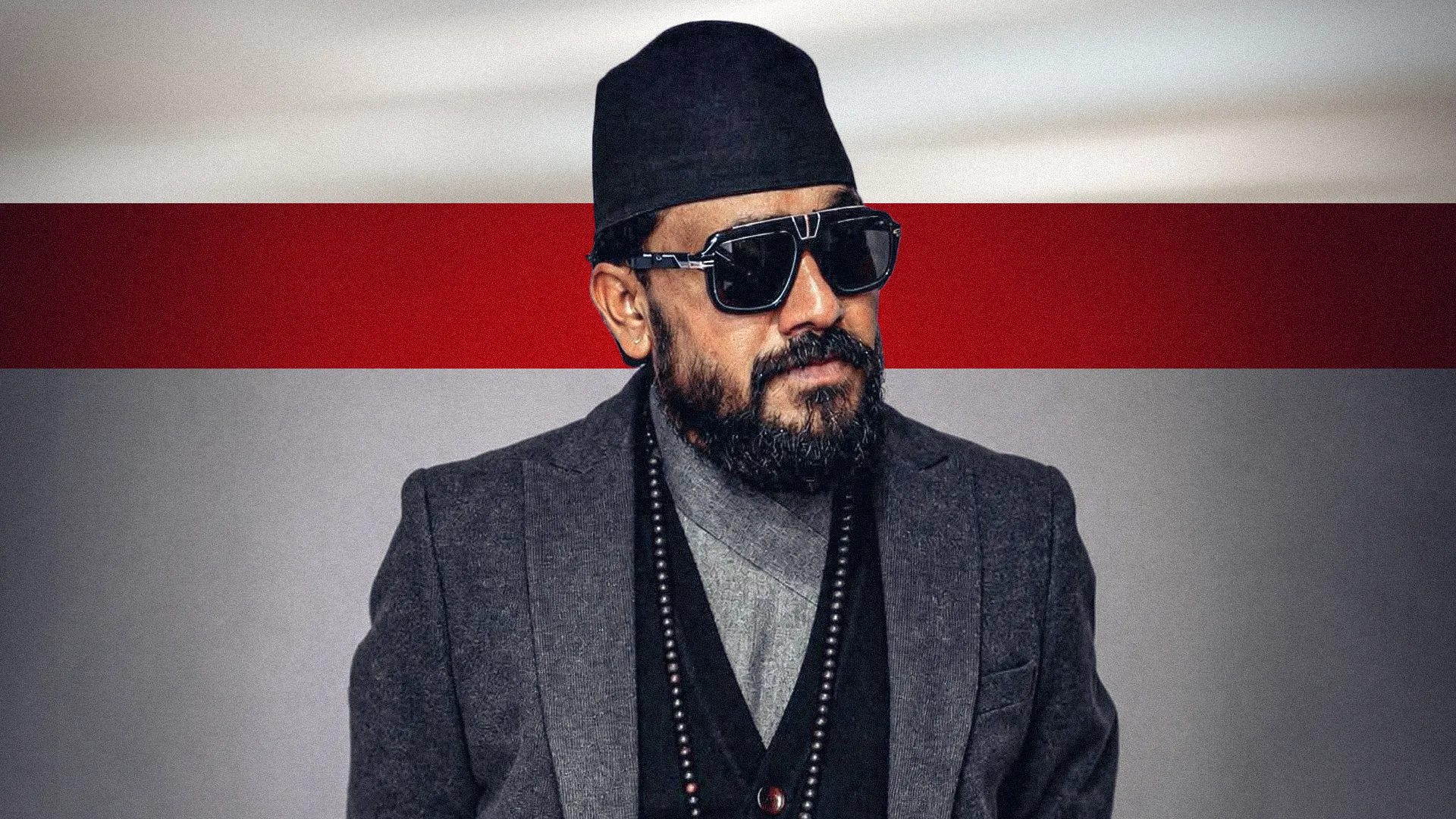



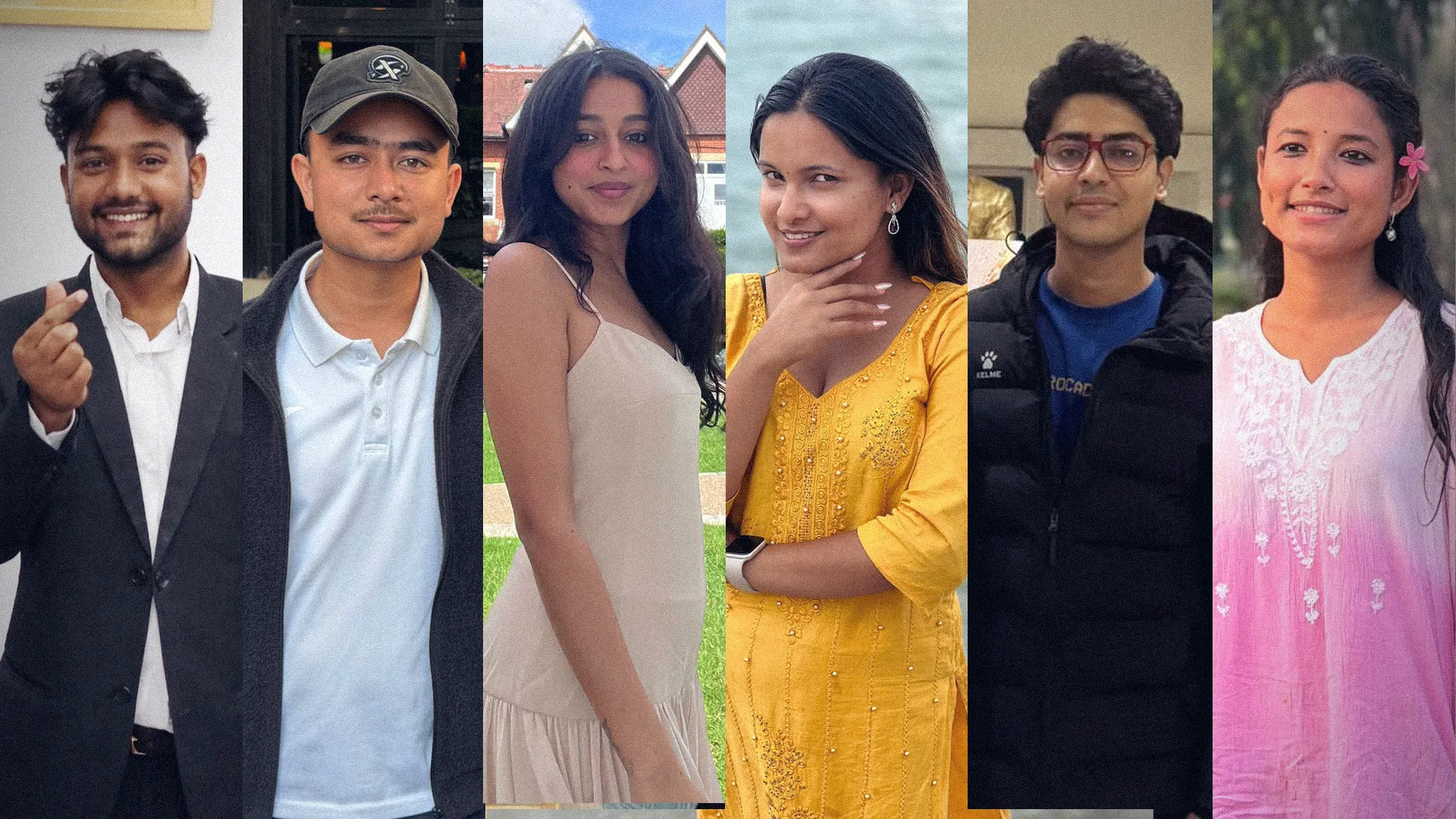
As Kathmandu's power circles and street politics grow complex once again, new-generation Gen Z youth leaders have come under strict state surveillance. Considering anti-government activities, potential street protests, and their growing international ties, security agencies have initiated close monitoring of six key youth leaders.
According to received information, the National Investigation Department, Nepal Police, and Armed Police Force have been deployed to monitor their daily activities. Security and intelligence agencies have collected all documents, including personal biometric details, citizenship, passports, and birthplaces of these youth leaders, and prepared detailed reports.
Among the leaders under special surveillance is Jasmin Ojha, residing in Gaushala, Kathmandu, who is a lawyer by profession and owns a house in Kathmandu. She is considered close to the United States and India. Similarly, security analysis indicates that Miraj Dhungana, a businessman owning a house in Koteshwor, Kathmandu, is close to China. Mahajit Ansari, living in a hostel in the Shantinagar area, is believed to be close to Bangladesh and Western nations, while Raksha Bam residing in Budhanilkantha and Rabi Kiran Hamal residing in Kirtipur are considered close to Western powers. Likewise, Tanuja Pandey living in Bhaktapur is close to the European Union and Western nations. Apart from Jasmin and Miraj, the formal professions of the other youth leaders have not been officially disclosed.
These leaders belong specifically to the Gen Z age group and continuously raise serious questions about the existing power structure and state mechanism. They are increasingly viewed as alternative leadership for future politics, and because they possess the capacity to lead a major mass movement alongside established international relations, the government perceives them as a potential political challenge or threat.

Interested in this ad?
Would you like to continue to the link or provide your information for more details?
Please provide your information
To continue, please fill in your details
It is assessed that if Nepali Congress leader Gagan Thapa takes to the streets in protest, these Gen Z leaders may also join the upcoming movement alongside him. Despite facing allegations of playing a role in burning historical heritage or standing witness while heritage burned during past protests, they remain individuals who have not received any position of profit from the state or politics to date.
Fear has arisen that if their political activism and street activities intensify further, the state could take them into custody at any moment under the pretext of 'providing security.' Analysis suggests that, similar to how a former Chief Justice was previously taken into control in the name of security, these young leaders could also be arrested at any moment.
Meanwhile, a serious political conspiracy theory is also circulating in political circles. Some analysts claim that the core foundation of the current government and these opposition Gen Z leaders on the streets share the same political origin or source. Allegations have also been made that a single visible or invisible power has taken charge of leading both the government and the street protests. How the new generation of youth moves forward in this power-balance game and what shape state surveillance takes will prove even more intriguing in the coming days.