


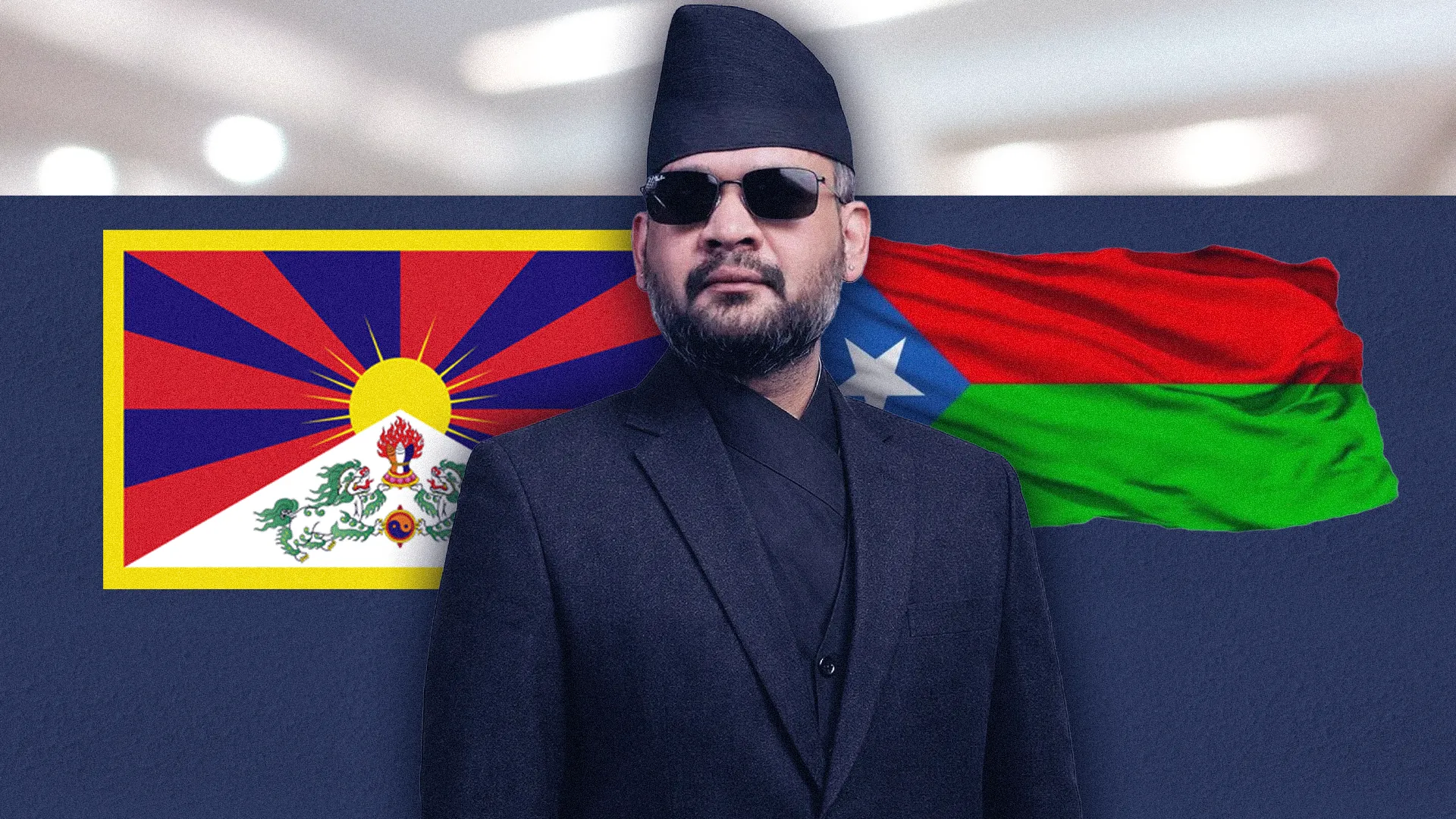
The recent appointment of Balendra Shah as Nepal's youngest Prime Minister has drawn significant regional attention, notably from exiled and aspiring administrations. Leaders from the Central Tibetan Administration and the Republic of Balochistan have officially extended their congratulations to the new cabinet, framing Shah’s leadership as a powerful realization of youth aspirations and an opportunity to forge robust diplomatic ties.
According to a statement from Sikyong Penpa Tsering, representing the Tibetan people, Shah's rise to power following a Gen-Z-driven movement marks a profound shift in the nation's political landscape. Addressing the Prime Minister, who was sworn in on March 27, 2026, the Tibetan leader emphasized the deep spiritual and historical connections that bind the two communities. He also used the occasion to express immense gratitude for Nepal's long-standing generosity toward Tibetan refugees, noting their ongoing contributions to Nepal's socioeconomic fabric while preserving their distinct identity.
Similarly, a formal communication issued by the Republic of Balochistan on behalf of the Baloch community in Nepal praised the newly formed government. The message highlighted strong hopes for the establishment of friendly relations and solid diplomatic connections grounded in mutual respect, cooperation, and a shared desire for regional stability and development.

Interested in this ad?
Would you like to continue to the link or provide your information for more details?
Please provide your information
To continue, please fill in your details
The Republic of Balochistan on behalf of the Baloch community of #Nepal, we extend our heartfelt congratulations to new cabinet and Balendra Shah assuming the esteemed office of Prime Minister of #Nepal. Your leadership marks a promising chapter for your nation, and we are… pic.twitter.com/pR5IDvWDYS
— Mir Yar Baloch (@miryar_baloch) March 28, 2026
As the new youth-led administration begins its tenure, these messages underscore the broader regional expectations placed upon Nepal's shifting political dynamics and its potential impact on future foreign alliances.