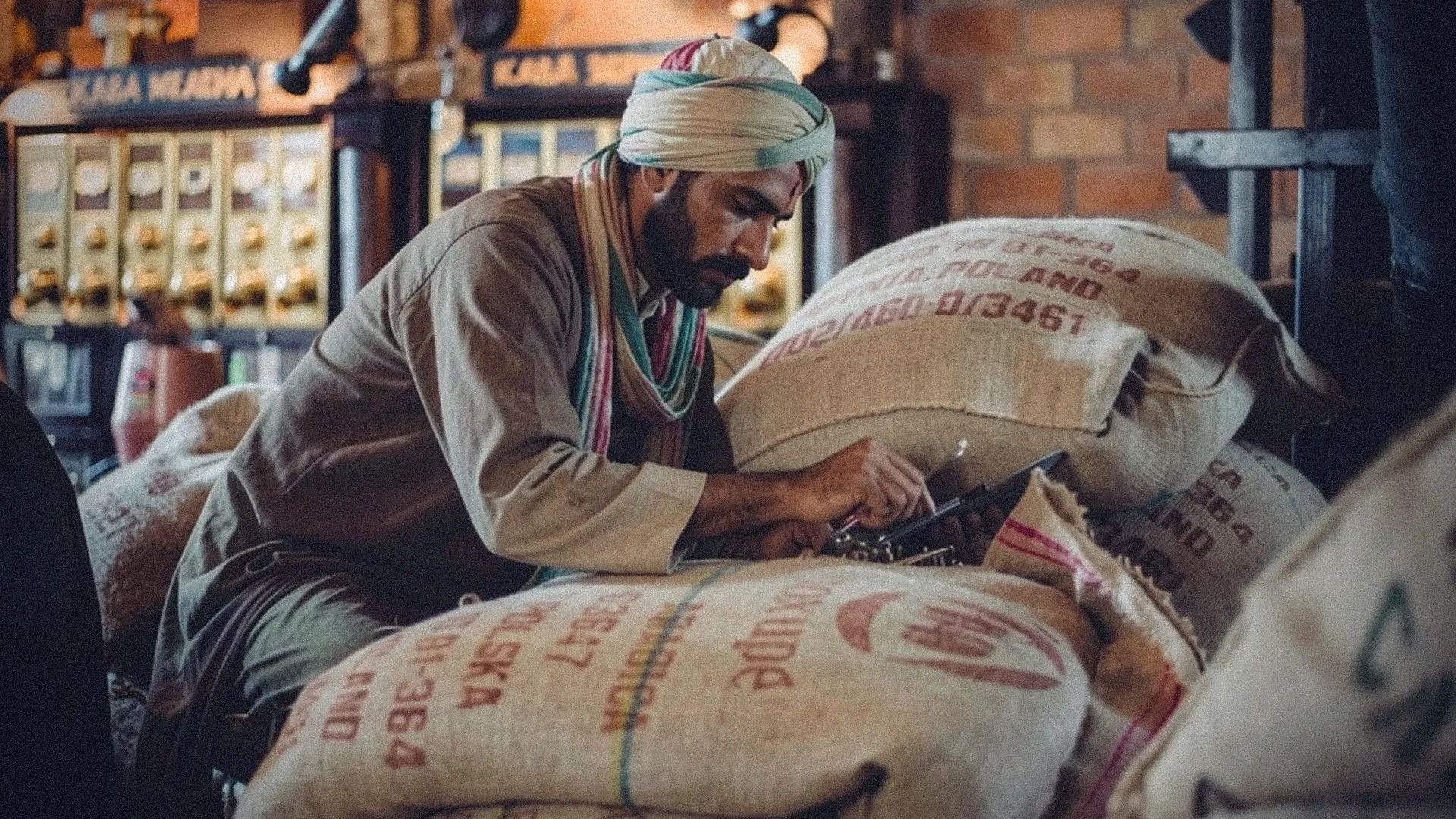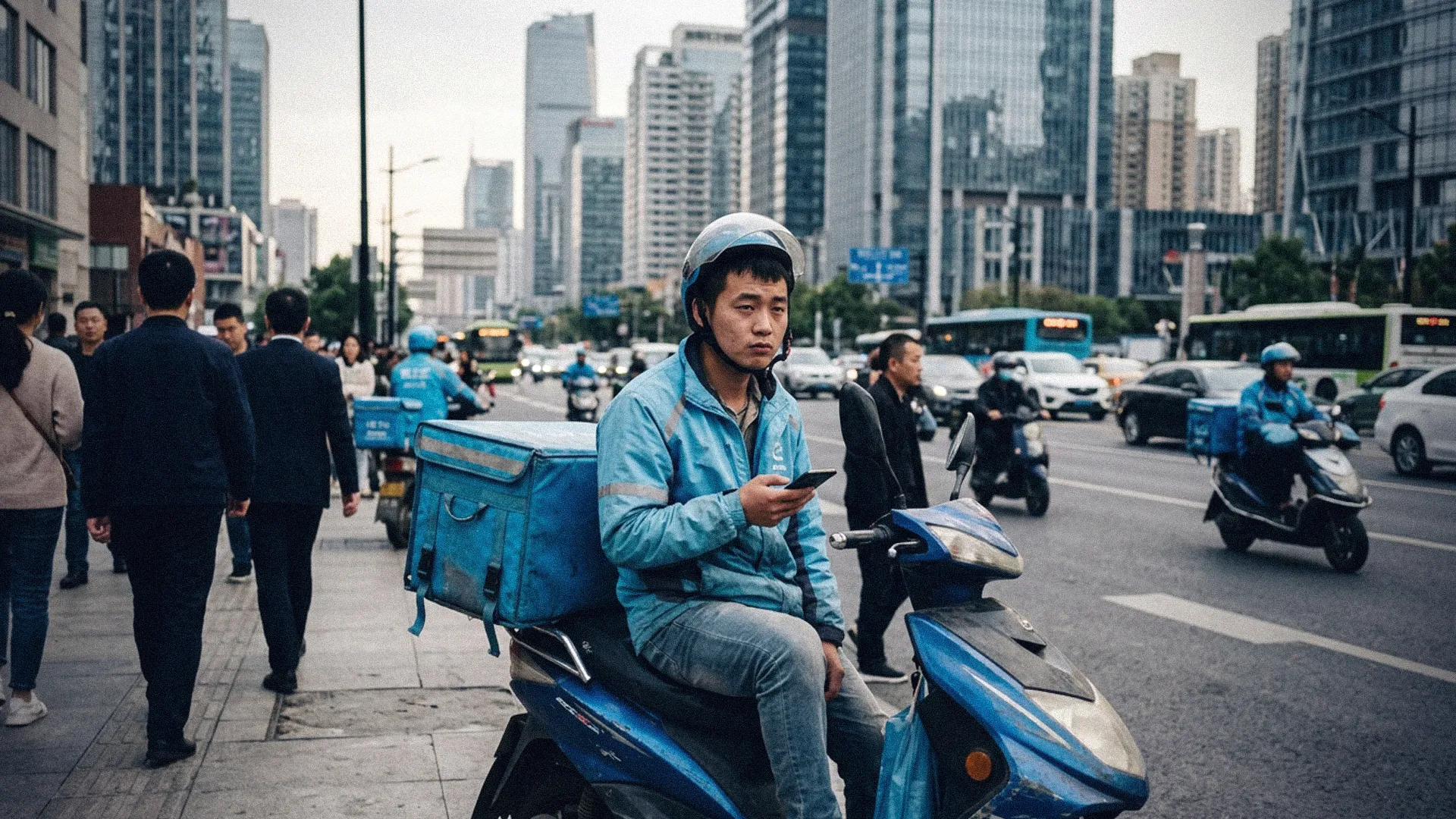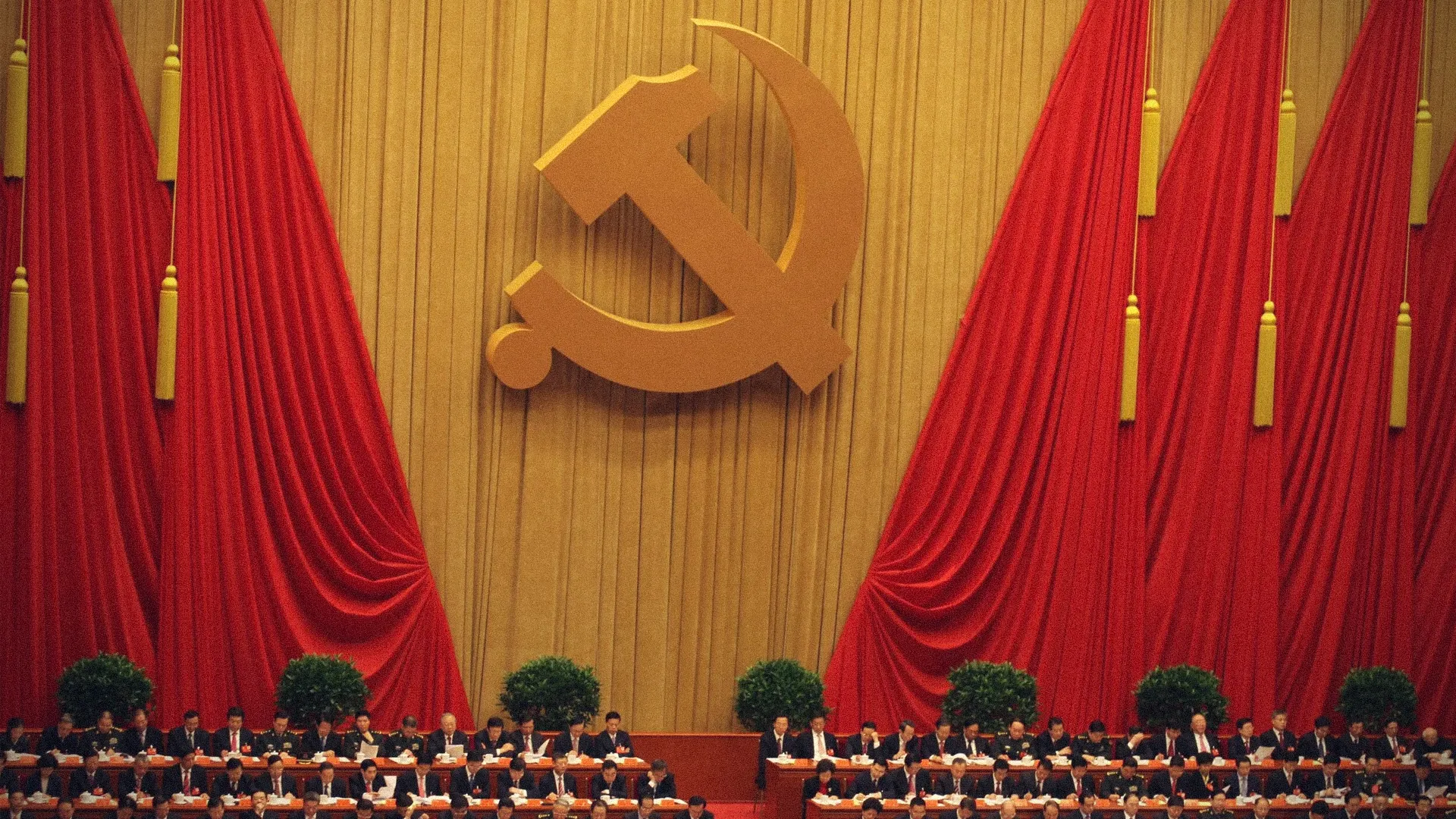



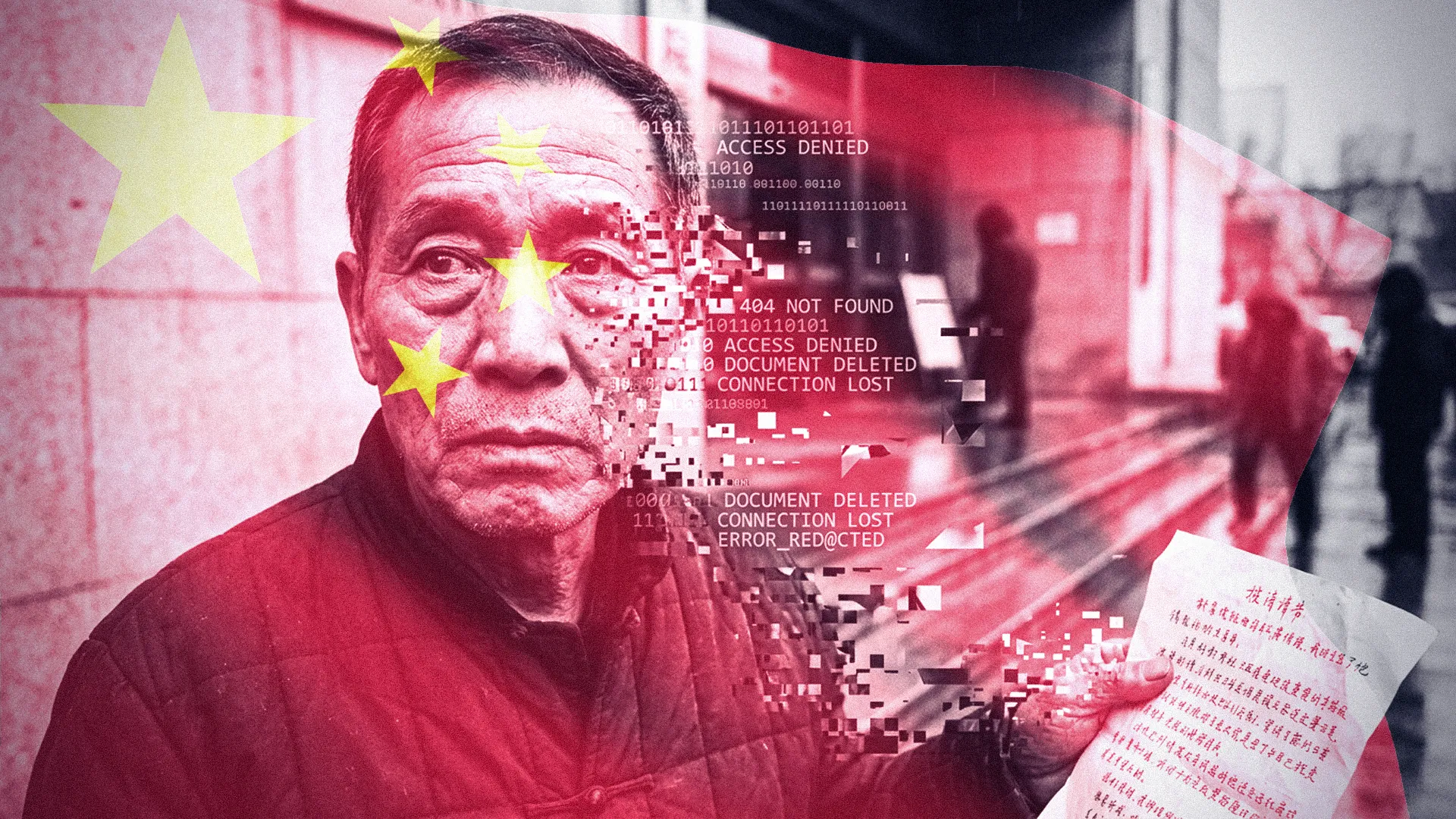
A short video circulating on Chinese social media briefly drew attention to a catalogue of documentaries that have struggled to find a place within mainland China’s tightly regulated media environment.
Titled “Documentaries Shelved for Being Too Real,” the video compiled a list of 32 films spanning three decades—before it, along with related posts and screenshots, was swiftly removed from online platforms.
The rapid deletion of the video has become a focal point in discussions about cultural censorship in China, particularly as it coincides with broader efforts by the Chinese Communist Party (CCP) to reinforce ideological boundaries across artistic and documentary production.
While such lists are not new, the visibility of this compilation—and its equally swift disappearance—has highlighted the extent to which certain narratives remain difficult to access within the country.
Documenting realities that rarely reach the public
The documentaries identified in the now-deleted video share a common thread: they focus on aspects of Chinese society that are often absent from official narratives.
Themes include the lives of migrant workers, the struggles of individuals suffering from occupational diseases, and the experiences of petitioners navigating administrative systems.
Among the works listed were internationally recognised films such as Petition, Please Vote for Me, and Tie Xi Qu: West of the Tracks.
These films have received awards and been screened at global festivals, yet their circulation within mainland China has remained limited.
“Petition,” in particular, stands out as a landmark in independent Chinese filmmaking.
Shot over more than a decade, the documentary chronicles the lives of individuals who travel to Beijing to seek redress for grievances through the country’s petitioning system.
The film presents an unvarnished account of their experiences, including repeated attempts to file complaints and subsequent interception by local authorities.
Despite its international recognition, the documentary remains banned domestically, underscoring the divide between global reception and domestic accessibility.
A broader archive of restricted content
Beyond the 32-documentary list, a more extensive archive compiled by China Digital Times has catalogued hundreds of films and documentaries that have faced restrictions in China over several decades.
The collection includes both domestic and international productions, many of which address social realities, historical events, or political themes.
The archive spans works produced from the mid-20th century to the early 2010s, reflecting a long-standing pattern of regulation. Some entries have been partially released after edits, while others remain entirely unavailable within mainland distribution channels.
The presence of internationally produced documentaries, such as Ai Weiwei: Never Sorry, further illustrates the breadth of content affected.
These works often explore themes of activism, artistic expression, and state-society relations—subjects that frequently intersect with areas of heightened sensitivity.
The mechanics of cultural control
Censorship of film and documentary content in China operates within a formal regulatory framework.
The Regulations on the Administration of Films, issued by the State Council in 2001, outline the criteria that productions must meet to receive approval.
These criteria emphasise ideological alignment and political correctness, with comparatively limited focus on technical or artistic considerations.
Under this system, documentaries are subject to the same scrutiny as feature films. Projects must pass review processes before public screening, and those deemed inconsistent with official narratives are denied distribution.
In practice, this framework has created significant barriers for independent filmmakers. Works that explore social issues, historical trauma, or governance challenges often face rejection, limiting their ability to reach domestic audiences.
From content removal to category suppression
Observers tracking media regulation in China have noted a shift in how censorship is applied. Rather than focusing solely on individual pieces of content, authorities are increasingly targeting entire categories of material.
This approach is evident in the removal of the documentary list itself. By deleting not only the video but also related discussions, authorities effectively curtailed broader engagement with the subject.

Interested in this ad?
Would you like to continue to the link or provide your information for more details?
Please provide your information
To continue, please fill in your details
The strategy reflects a move towards controlling not just specific narratives but the frameworks through which those narratives are understood.
Scholars studying China’s information environment have described this as a transition from reactive censorship to proactive containment.
When certain themes or formats are identified as sensitive, their circulation can be restricted at multiple levels, from production to dissemination.
Independent filmmaking under pressure
Filmmakers working outside state-backed institutions describe an increasingly constrained creative environment.
According to accounts from within China’s independent film community, projects that focus on everyday realities or marginalised groups often struggle to pass official review.
The challenges extend beyond formal censorship. Limited access to funding, distribution channels, and screening venues further restricts the reach of such works.
Even when documentaries are completed, they may only be shown at international festivals or circulated privately.
Songzhuang, an artist community on the outskirts of Beijing, has long been associated with independent creative activity.
However, filmmakers based there have reported growing difficulties in recent years, citing tighter controls and increased scrutiny of cultural production.
Historical narratives and ideological boundaries
The regulation of documentaries is closely tied to the management of historical narratives.
Since the establishment of the People’s Republic of China in 1949, cultural production has been used as a means of shaping collective memory and reinforcing official interpretations of history.
Documentaries that present alternative perspectives—particularly those addressing sensitive periods or systemic issues—often fall outside these boundaries.
By limiting their circulation, authorities maintain control over how history and contemporary society are represented.
This dynamic is evident in the treatment of films that examine the experiences of petitioners, labourers, or victims of past campaigns. While these stories form part of the broader social fabric, their portrayal in documentary form can challenge established narratives.
Role of digital platforms
The brief appearance of the banned documentary list on social media highlights the role of digital platforms in disseminating and, ultimately, restricting information.
While online spaces have enabled wider access to content, they are also subject to rapid intervention when material is deemed sensitive.
The removal of the video and associated posts demonstrates the speed at which content can be taken down, limiting its reach and preventing sustained discussion.
This pattern has been observed across various forms of media, where visibility is often short-lived.
At the same time, the initial circulation of such lists indicates ongoing interest among users in exploring content beyond officially sanctioned channels. The interplay between dissemination and deletion continues to shape the digital information landscape.
The controversy surrounding the banned documentary list reflects a broader tightening of cultural and ideological control in China.
Through a combination of regulatory frameworks, digital monitoring, and targeted censorship, authorities have established a system that governs not only what is produced but also what can be seen and discussed.
The documentaries highlighted in the list—many of which focus on lived experiences and social realities—remain largely inaccessible within mainland China.
Their limited visibility underscores the challenges faced by independent filmmakers and the constraints placed on narratives that diverge from official lines.
As the boundaries of permissible expression continue to be defined and enforced, the space for documentary storytelling within China remains closely regulated, with each act of documentation subject to scrutiny.