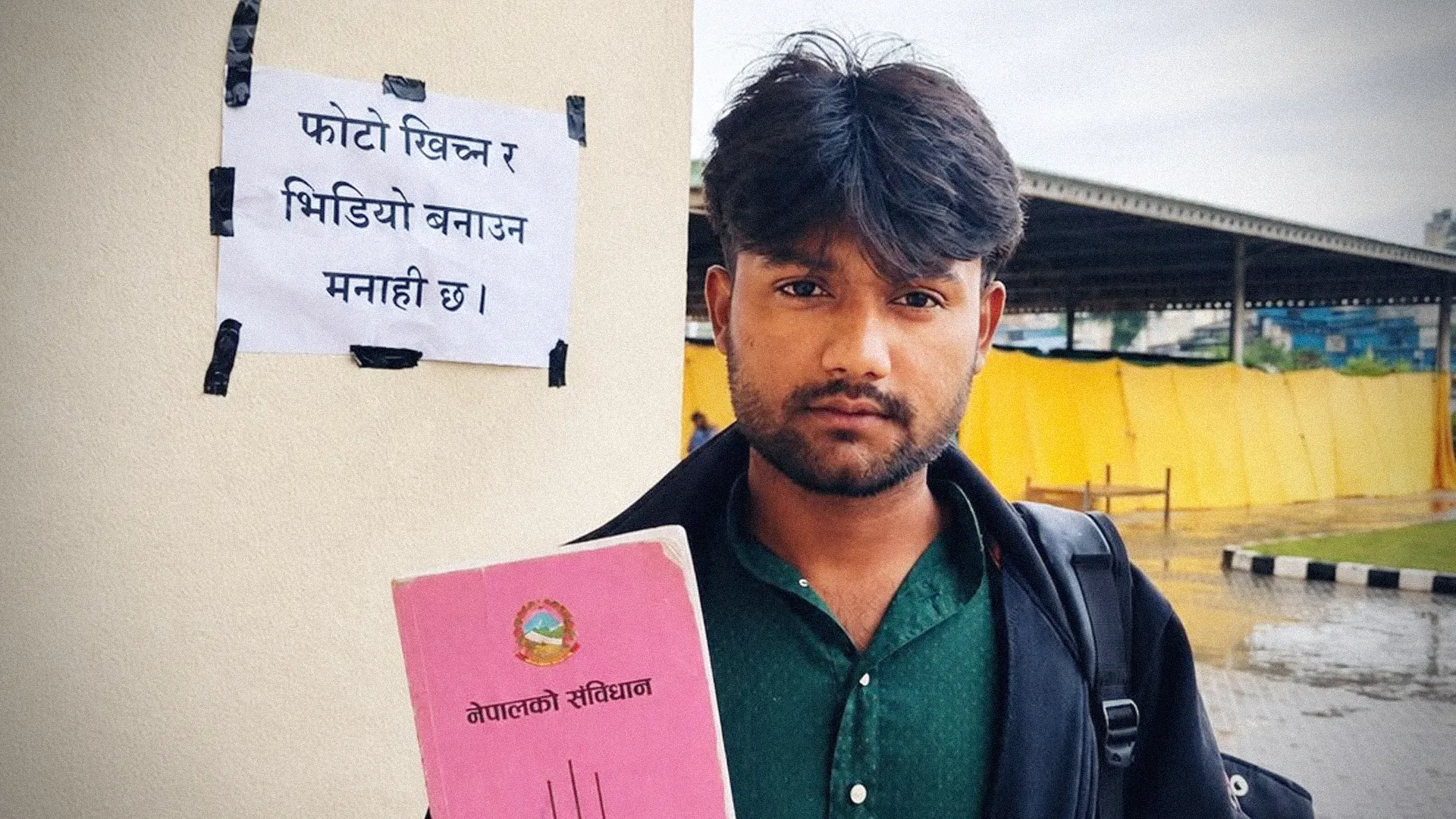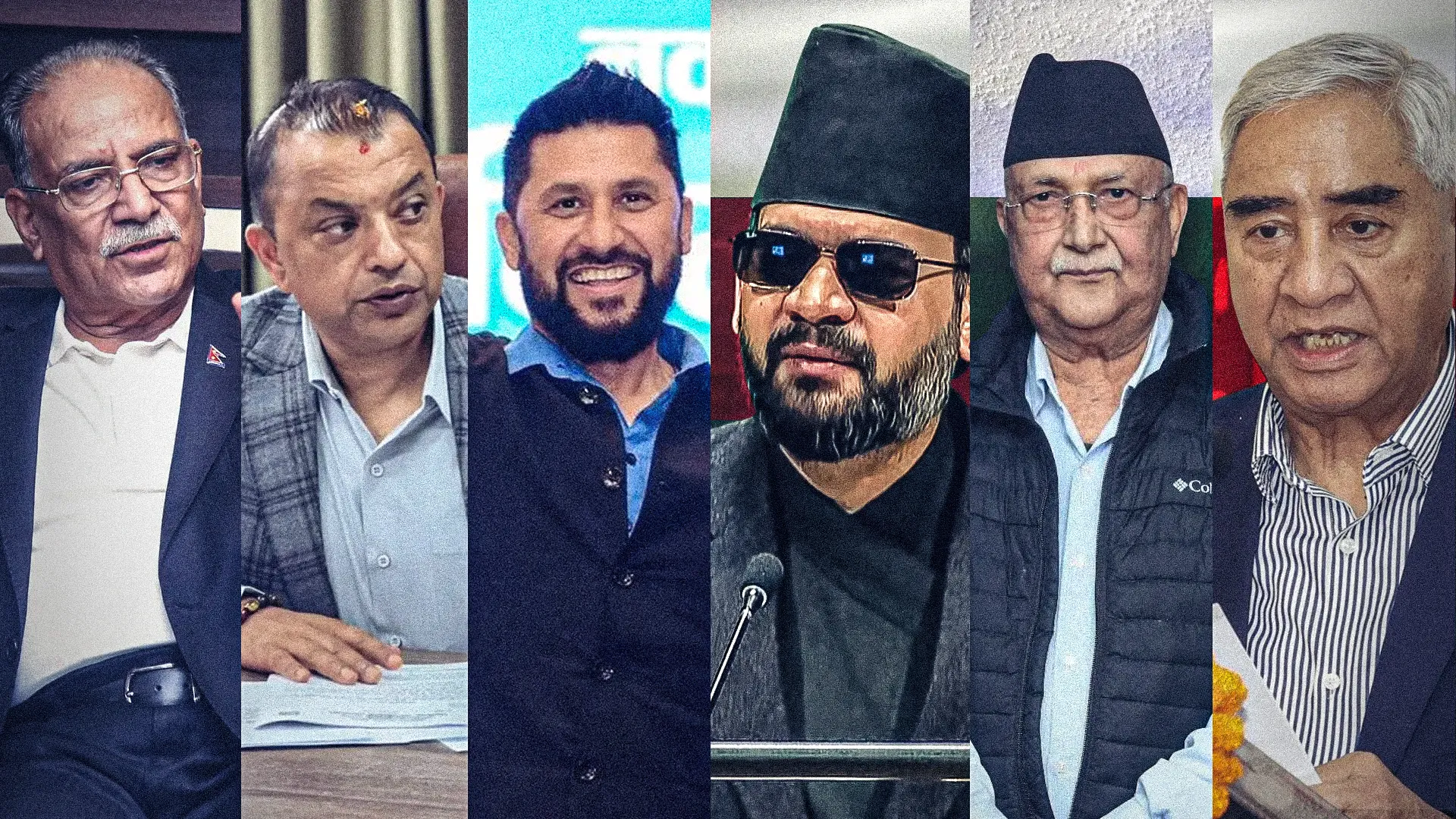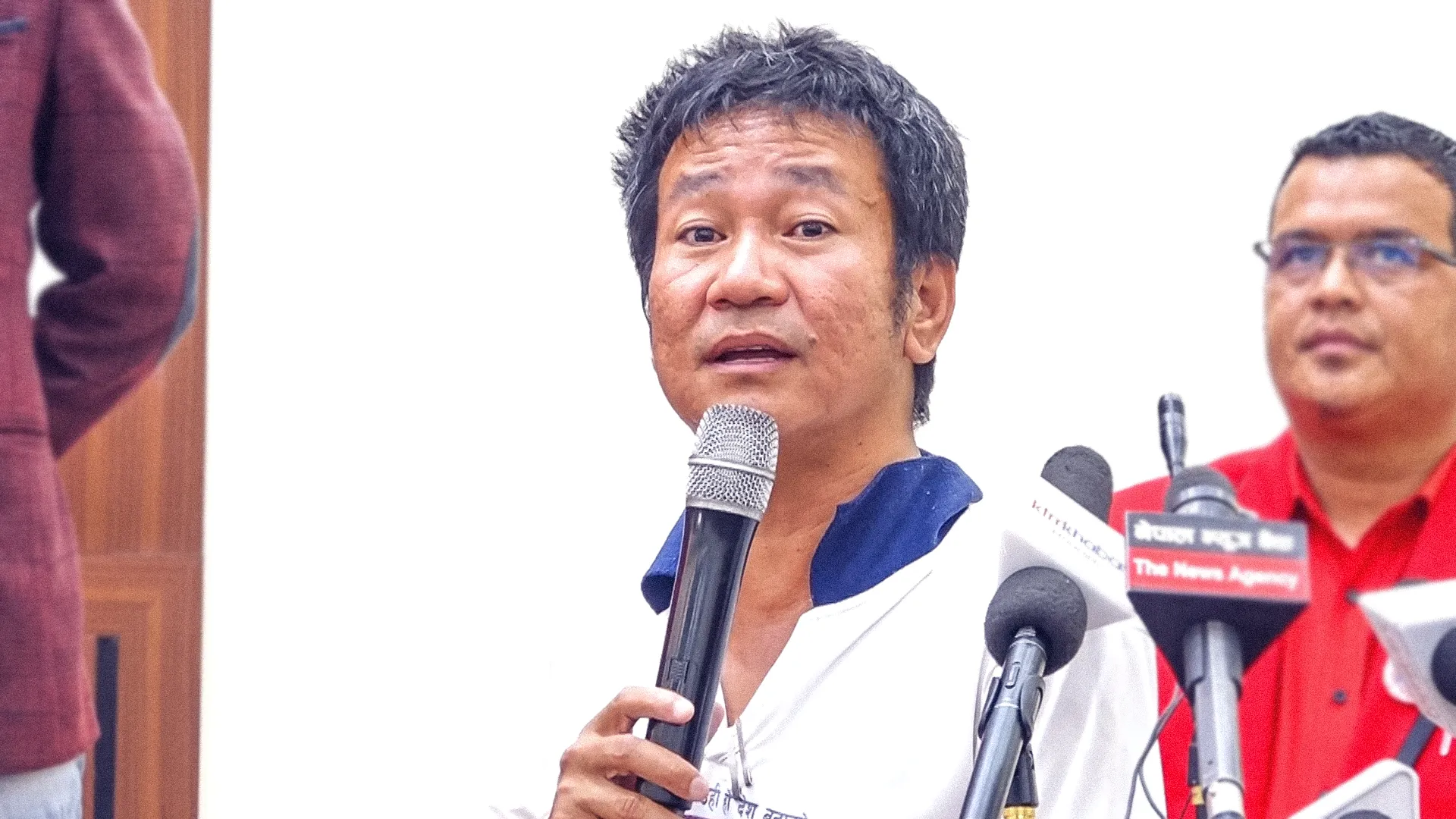



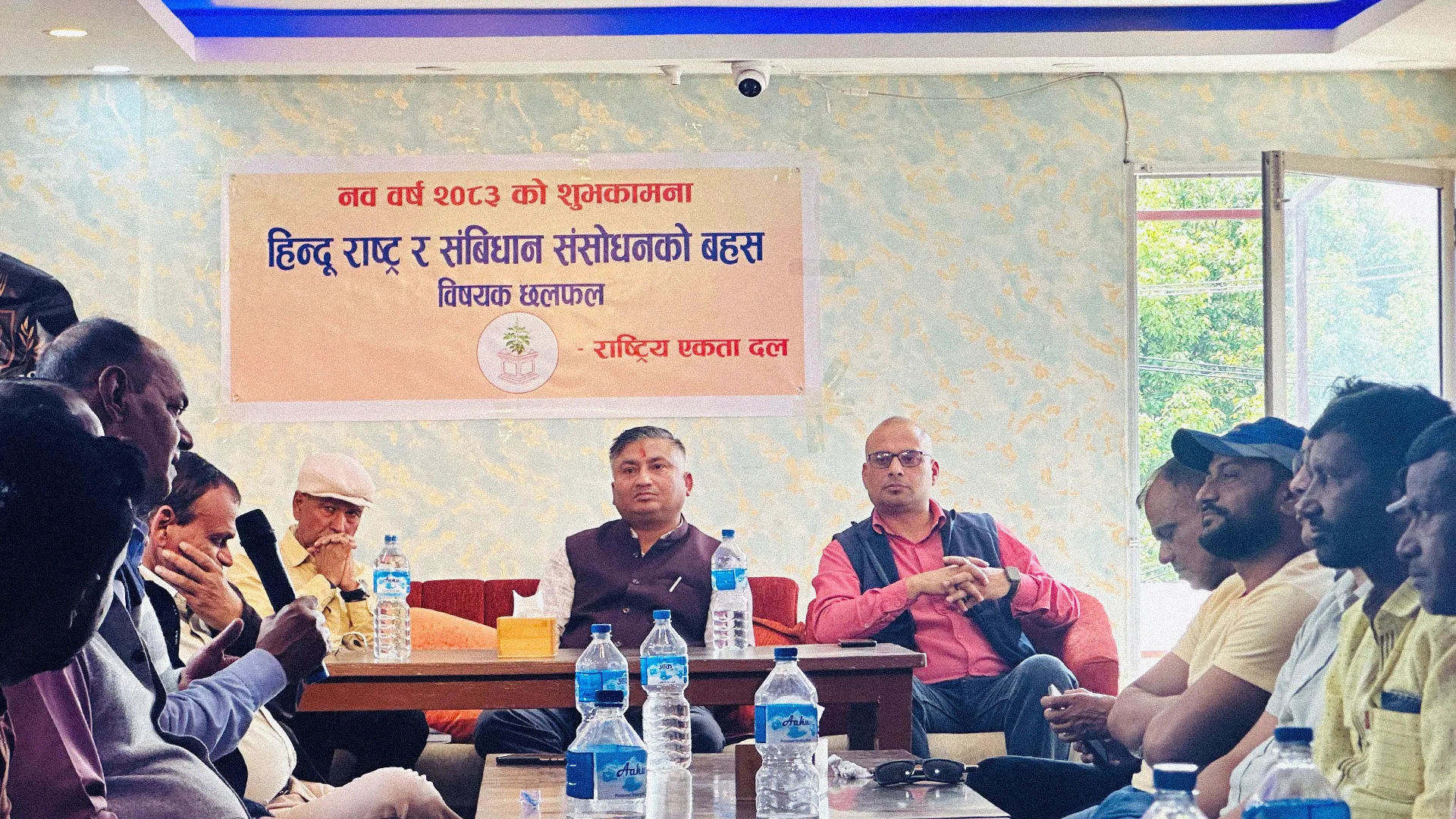
The discourse surrounding Nepal's national identity took center stage in Kathmandu as various stakeholders proposed a national referendum to decide the reinstatement of a Hindu State. During a specialized discussion titled "Hindu State Reinstatement and Constitutional Amendment" organized by the National Unity Party, participants argued that such a significant cultural shift must be settled by public mandate rather than legislative fiat.
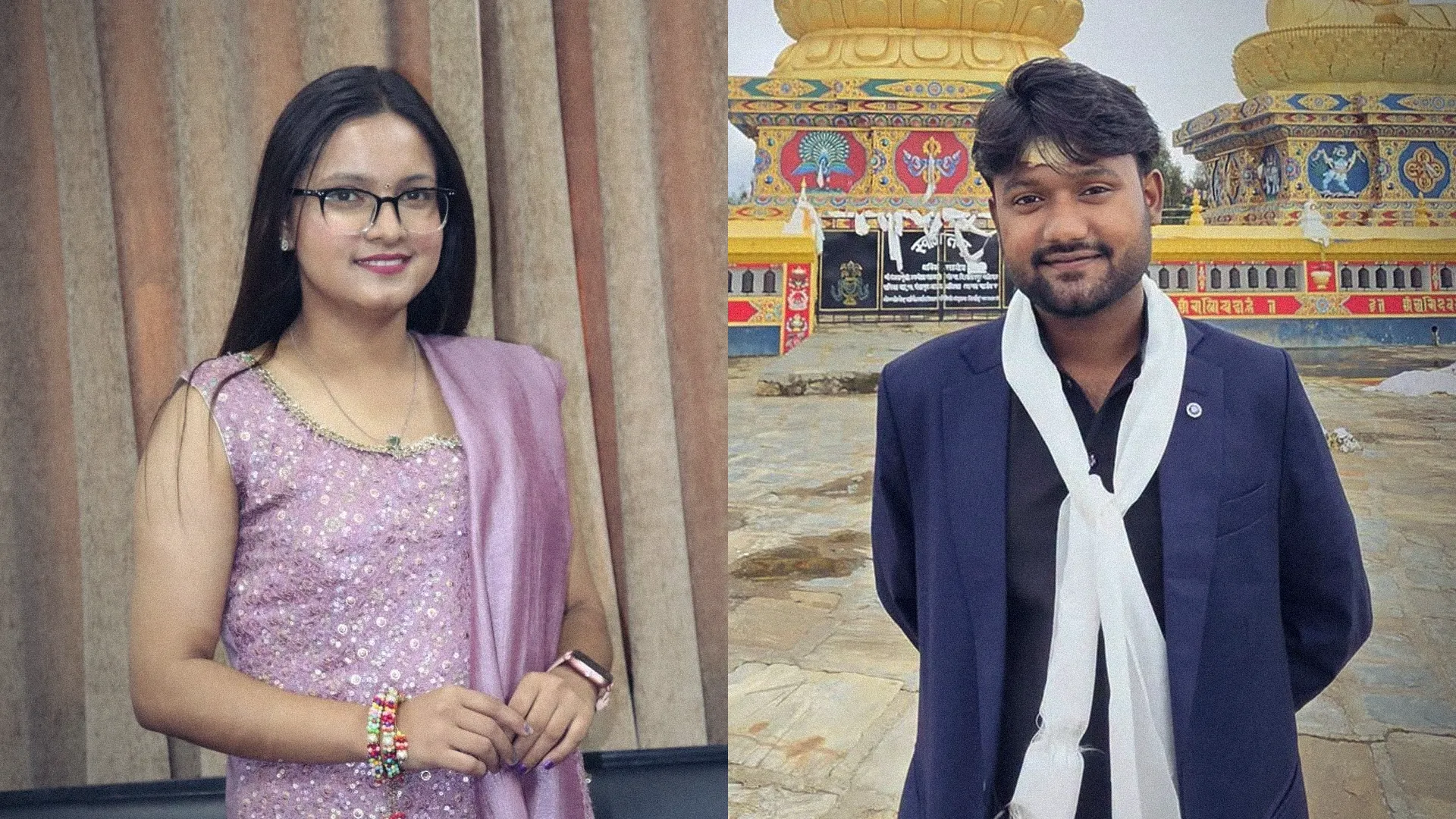
Under the leadership of Party Chairman Binay Yadav, the gathering at Aloknagar brought together over a hundred intellectual and political figures. The consensus among speakers was that the current 2072 Constitution requires extensive overhauls, with some analysts suggesting revisions to more than a hundred articles to better align with the principles of proportional inclusivity and genuine representation.
Analyst Satya Narayan Mandal pointed out specific deficiencies in the current document, noting that the preamble fails to adequately acknowledge the Madhesh movement. He emphasized that inclusive provisions, particularly Article 42, necessitate urgent refinement to reflect the nation's diverse socio-political reality.

Interested in this ad?
Would you like to continue to the link or provide your information for more details?
Please provide your information
To continue, please fill in your details
Adding historical context, journalist and analyst Ritesh Tripathi remarked that while secularism was not an original demand of the 2062-63 People’s Movement, it was institutionalized later through the 2063 Interim Constitution. He stressed that any future amendments must be driven by national interest and sovereignty, shielded from external geopolitical influences.
The event concluded with a warning that the state's failure to respect public sentiment regarding Sanatan culture and national identity could trigger grassroots movements. While a two-thirds parliamentary majority remains the legal threshold for amendment, speakers maintained that a direct vote from the citizens remains the most democratic path forward for settling the religious identity of the state.