


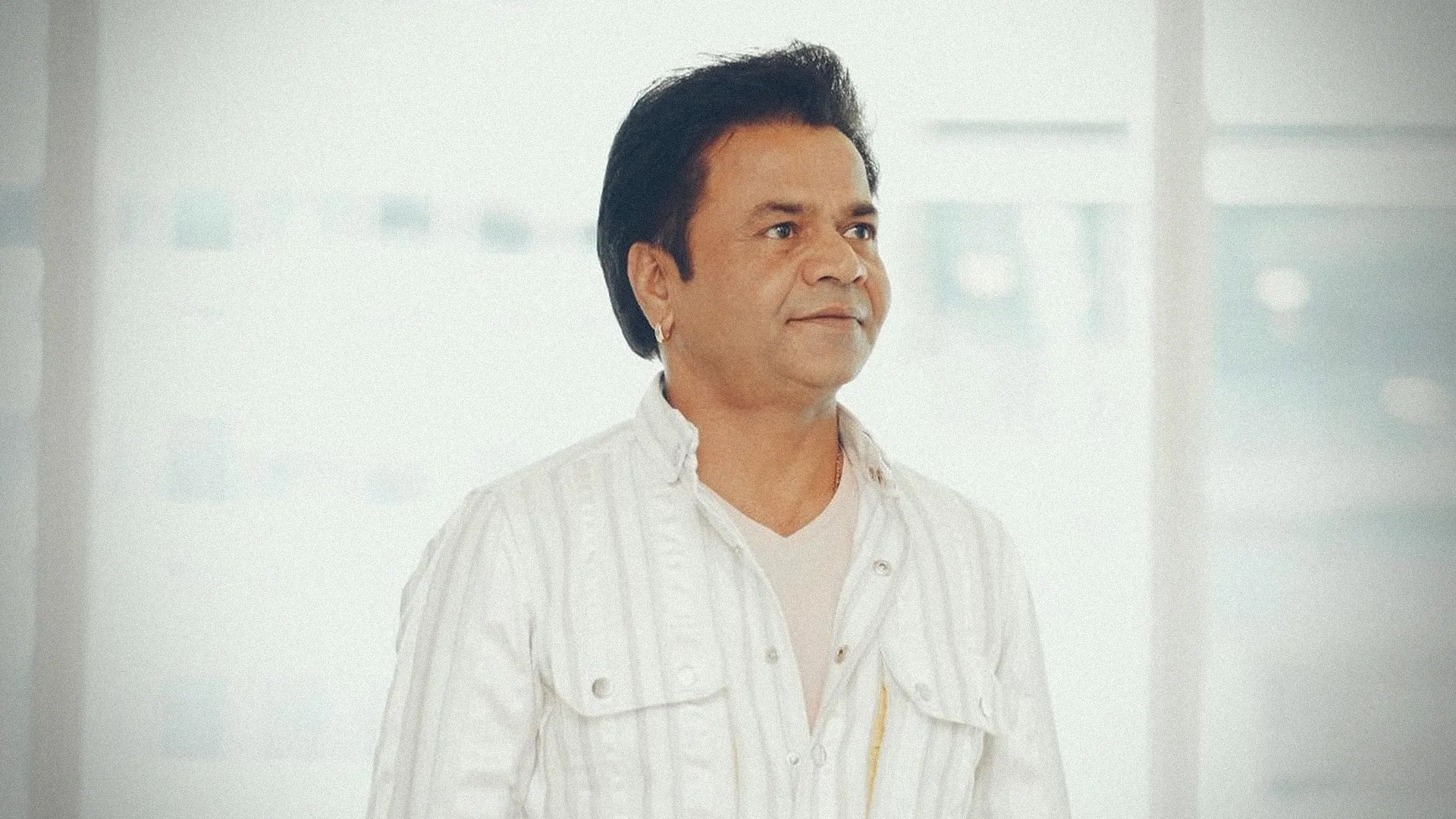
The Delhi High Court has upheld the conviction of actor Rajpal Yadav in a cheque bounce case and sentenced him to three months of imprisonment. Justice Swarana Kanta Sharma delivered the ruling across seven distinct cases, ordering the prison terms to run concurrently. Alongside the jail sentence, the court ordered the actor to pay Rs 1.05 crore in each case to the complainant, in addition to an individual sum of Rs 1.04 crore to the complainant and Rs 25,000 to the State. His wife, Radha Yadav, has also been ordered to pay Rs 5.51 lakh per case to the complainant, though the court clarified that Rs 2.25 crore already paid by the actor will be adjusted in the final amount.
The high court declined to grant Rajpal Yadav the benefit of probation after reviewing his overall conduct during the litigation process. The court highlighted repeated inconsistencies in the submissions made by the actor, noting that he had failed to fulfill prior undertakings. Justice Sharma emphasized the court's stance on the matter by questioning the discrepancies and warning against misinterpreting judicial leniency during the proceedings. The actor has been given a two-month window to approach the appellate court against this decision.
According to the complainant's counsel, Advocate Avnish Sikka, all revision petitions filed by Rajpal Yadav were dismissed, and the original order of the trial court was fully upheld. The legal representative confirmed that failure to pay the court-imposed fines would result in an additional six months of imprisonment. The court's refusal to grant probation was heavily influenced by the actor's repeated violations of the formal commitments he had previously provided during the prolonged dispute.

Interested in this ad?
Would you like to continue to the link or provide your information for more details?
Please provide your information
To continue, please fill in your details
The financial conflict originated in 2010 when Rajpal Yadav borrowed Rs 5 crore from Murli Projects Pvt. Ltd to finance his directorial film venture, Ata Pata Laapata. Following the commercial failure of the movie at the box office, a prolonged financial dispute emerged between the involved parties. A trial court initially convicted the actor under cheque dishonour provisions in 2018, sentencing him to six months in jail, which was subsequently upheld in 2019. Due to ongoing delays and accumulated interest, the total financial liability has escalated to nearly Rs 9 crore.
The Delhi High Court had previously suspended the actor's sentence based on assurances that the financial dispute would be resolved, including a proposed installment payment of Rs 2.5 crore. However, these commitments were not fulfilled, leading the court to direct Rajpal Yadav to surrender in February 2026 due to non-compliance. He subsequently surrendered on February 5 and spent a few days in custody before securing interim relief by depositing Rs 1.5 crore. The legal proceedings will now shift toward the appellate court as the actor decides whether to utilize the two-month window to challenge the current ruling.