


The deadly communal violence that recently shook Nepal's Sunsari district is now being investigated as a significant national security threat.
Armed Police Force personnel, led by Inspector Rakesh Rai, opened fire on a crowd, resulting in 21 injuries.
Tragically, the death toll has reached four, including three initial fatalities and an additional death from police firing in Siraha during subsequent protests that spread across eight districts from Biratnagar to Birgunj.
Two severely injured youths remain on ventilators in a Biratnagar hospital, with one requiring an arm amputation.
A preliminary report submitted by the National Investigation Department (NID) to Nepal's Ministry of Home Affairs suspects the involvement of Pakistan's Inter-Services Intelligence (ISI) in orchestrating the unrest.
According to the intelligence findings, the violence may be part of a coordinated effort to destabilize the Indian border region utilizing foreign clerics.
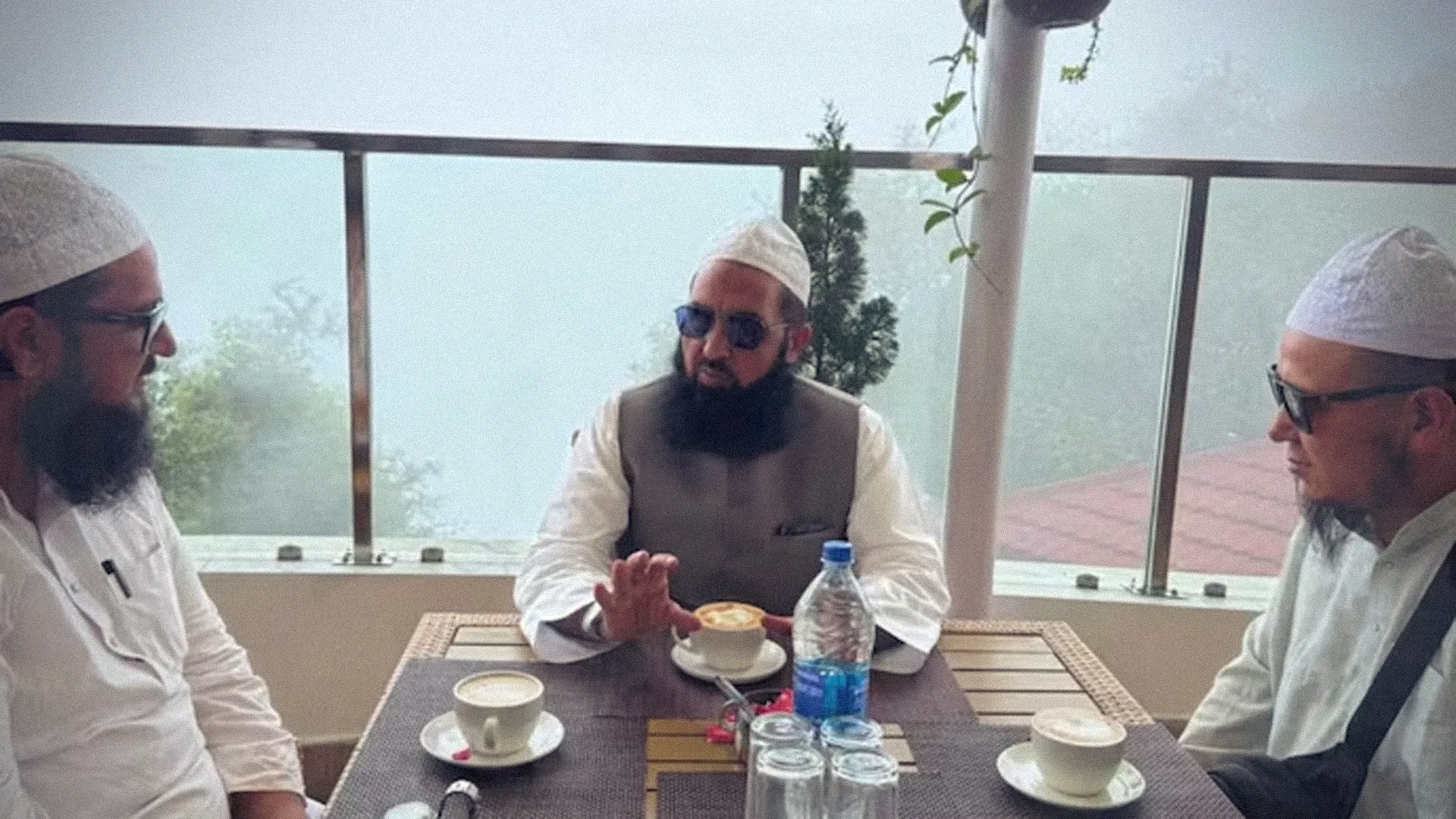
The report highlights that Maulana Mohammad Ilyas Ghuman, a Pakistani-origin cleric living in Turkey, arrived in Dewanganj five days prior to the clashes.
Ghuman is identified as a key figure in the banned Tablighi Jamaat and has alleged ties to internationally banned terrorist organizations, including Harkat-ul-Mujahideen, Harkat-ul-Ansar, and Hizbul Mujahideen.

Interested in this ad?
Would you like to continue to the link or provide your information for more details?
Please provide your information
To continue, please fill in your details
The immediate catalyst for the violence was a dispute over Islamic flags erected for Muharram on the vacant land of a Shiva temple in Kaptanganj.
Despite repeated appeals to local authorities over a month, the flags were not removed.
On the night of July 26, a group of Kanwariyas fetching water for temple rituals was attacked from an adjacent madrasa.
During the ambush, the area's electricity was deliberately cut off from the main transformer by an electricity department employee named Nasim Ansari.
Further complicating the security landscape, the NID report notes that Ghuman, accompanied by Imam Mufti Abu Bakar Qasmi of Kathmandu's Jama Masjid, conducted secret meetings in sensitive border districts like Biratnagar, Rautahat, Nepalgunj, and Kapilvastu.
Concurrently, immigration records show that nine Bangladeshi clerics arrived in Kathmandu on July 20 via Batik Air flight OD 182 and were present in these border areas.
As originally reported by Hindustan Samachar, intelligence agencies have recommended a micro-investigation into whether these secret gatherings directly fueled the subsequent violent demonstrations, signaling an urgent need for heightened border vigilance in the future.
This news is reported by Hindustan Samachar.