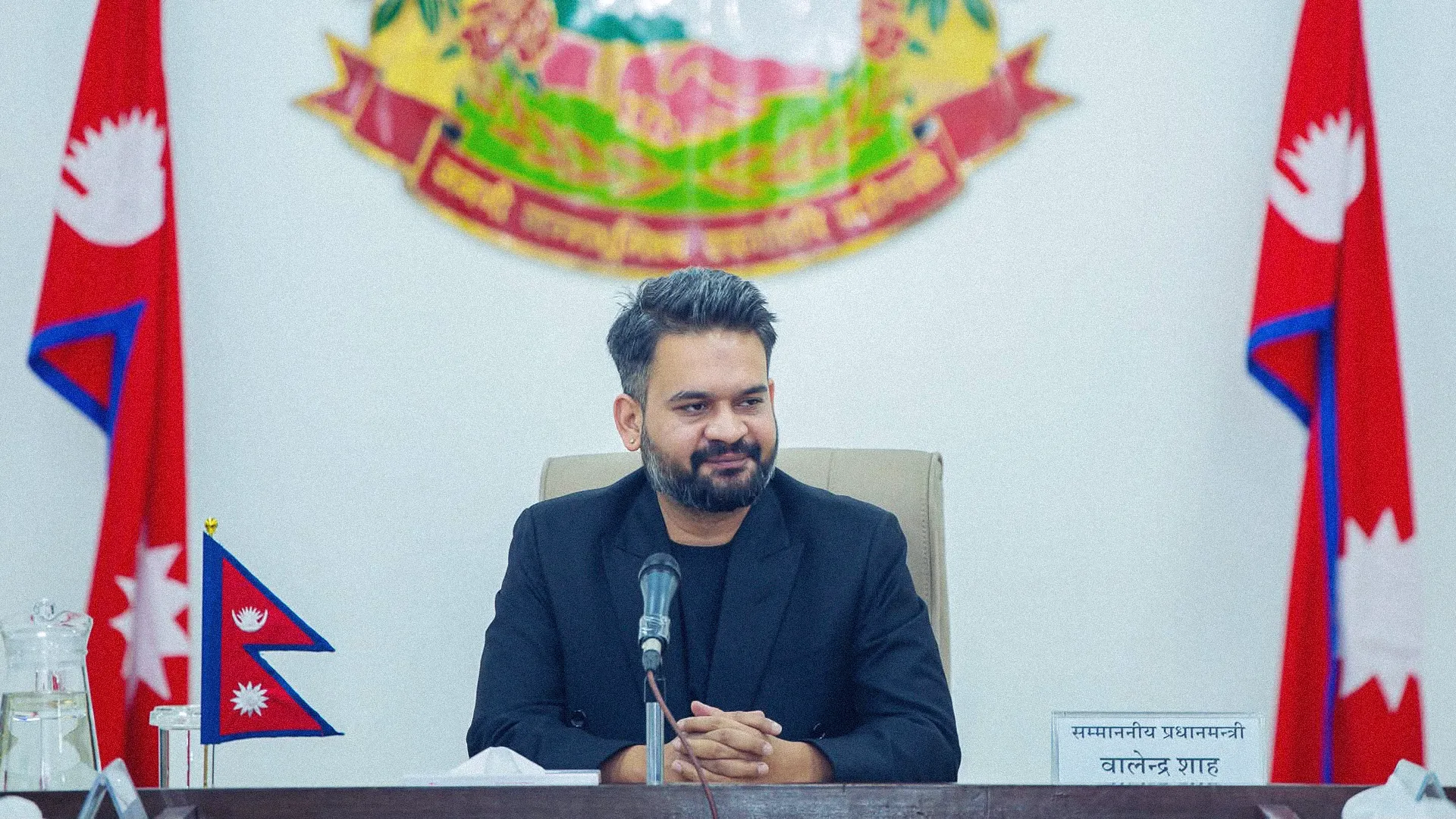



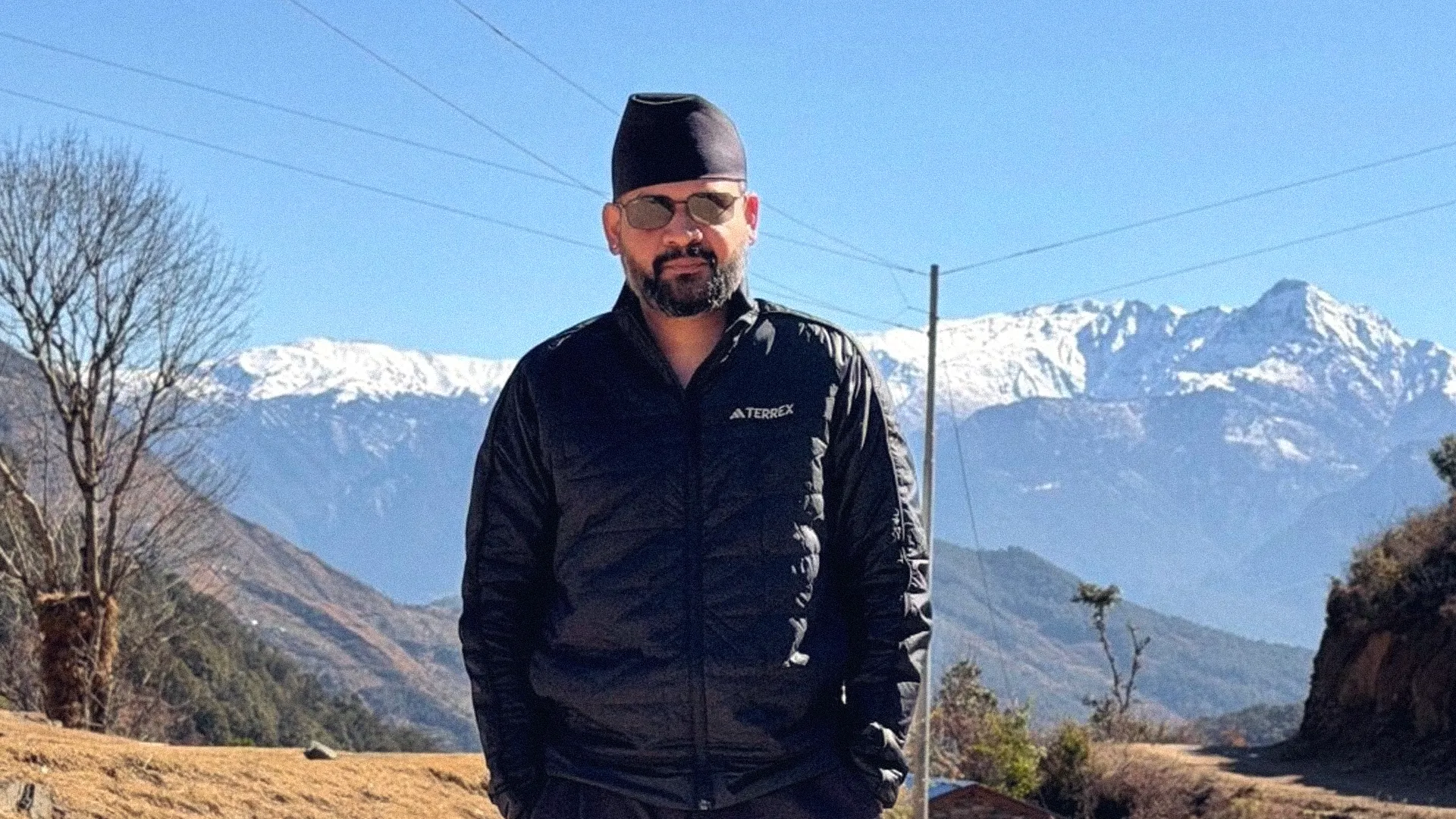
Eighty-five years after Nepal’s earliest martyrs were executed for challenging autocratic rule, their unfulfilled vision continues to haunt the country’s political journey. Speaking on Martyrs’ Day, senior Rastriya Swatantra Party leader Balen Shah reflected on what he described as a recurring national failure: political systems have shifted repeatedly, but the nature of power has remained unchanged.
In his tribute, Shah recalled the executions of Gangalal Shrestha, Dashrath Chand, Dharma Bhakta Mathema, and Shukraraj Shastri, noting that although the Rana regime formally ended a decade later, the state never truly transformed into a people-centred institution. He said the burden of continuous struggle has therefore fallen on successive generations.
According to Shah, this pattern has persisted into the present. He pointed to the recent Gen-Z–led protests in Bhadra, where young people and students demanding good governance and an end to corruption lost their lives despite participating in peaceful demonstrations. The repetition of sacrifice, he argued, shows how far the country still is from realising the martyrs’ aspirations.

Interested in this ad?
Would you like to continue to the link or provide your information for more details?
Please provide your information
To continue, please fill in your details
Shah claimed that the responsibility to fulfil those aspirations now lies with the current generation. He stressed the need to uproot deeply entrenched corruption, end extreme partisan capture of state institutions, and build a transparent, accountable system capable of steering Nepal toward economic progress.
Concluding his message, Shah warned that the sacrifices of past and present martyrs must no longer be ignored, urging collective commitment so that no citizen is forced to die again for change. He paid tribute to all known and unknown martyrs, calling for action that finally gives meaning to their sacrifice.