


The landscape of Nepali politics has undergone a seismic shift, with the Rastriya Swatantra Party (RSP) dismantling the decades-long dominance of traditional forces. In a historic surge not seen since the majority mandates of 1991 and 1999, the RSP has relegated veteran parties like the Nepali Congress and CPN-UML to a defensive posture. Preliminary figures suggest the RSP is approaching a two-third majority, leaving the Congress with 35 seats, the UML with 25, and the Maoist Center (CPN-MC) with approximately 17 to 18.
However, the path to seamless governance remains complex. Despite their massive mandate in the House of Representatives, the RSP faces a mathematical hurdle in the Upper House and the Constitutional Council. With President Ram Chandra Paudel hailing from the Congress and the National Assembly dominated by traditional parties—where Congress holds 25 seats and the Maoists 18—the RSP cannot govern in isolation.
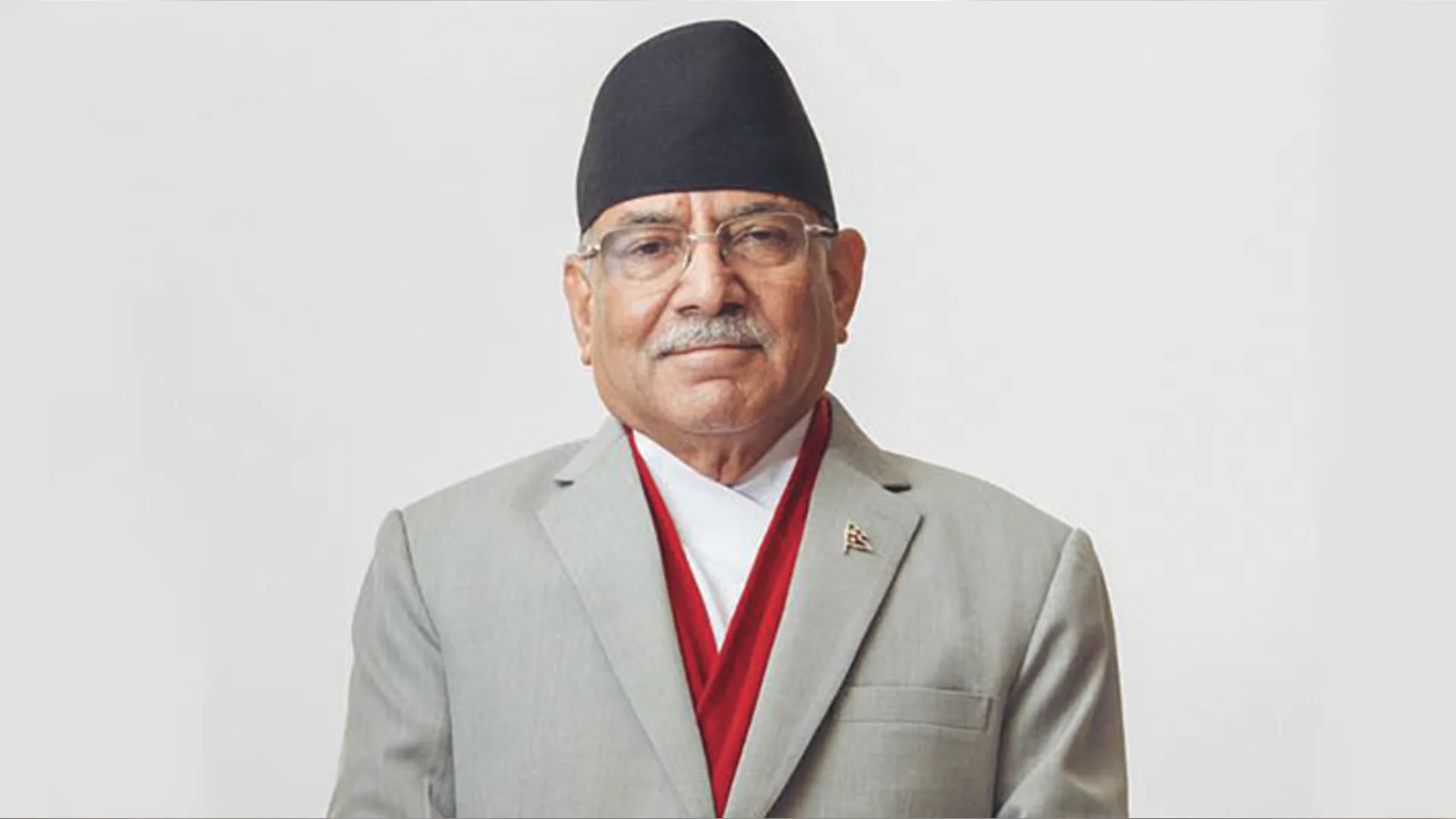
The "kingmaker" role appears to have fallen once again to Pushpa Kamal Dahal 'Prachanda'. Despite his party's diminished numbers, Prachanda remains a crucial bridge for the RSP to navigate constitutional appointments and legislative hurdles. From Eastern Rukum, Prachanda signaled a mix of cooperation and caution, warning the new victors against the "arrogance of success" while reminding them of his seniority as the sole former Prime Minister in the new parliament.

Interested in this ad?
Would you like to continue to the link or provide your information for more details?
Please provide your information
To continue, please fill in your details
Strategic ripples are already appearing. RSP leadership has hinted at a "soft corner" for the Maoists, possibly offering the Deputy Speaker position to secure cooperation in the Constitutional Council. This alliance is rooted in previous governing experience and a shared narrative of "good governance" initiated during Prachanda’s prior premiership.
As the RSP prepares to transition from a celebratory mood to the realities of statecraft, the necessity of building a working relationship with the Maoist Center—rather than the marginalized Congress or UML—seems inevitable to ensure the stability of the new administration.