




Commercial cultivation of Akabare chili has emerged as a primary driver of economic transformation for farmers in Ribdikot Municipality, Palpa. Local agriculturalists have integrated this high-value crop into their traditional farming systems, establishing a reliable supply chain that directly supports the production of the popular Current Noodles manufactured by Yashoda Foods.
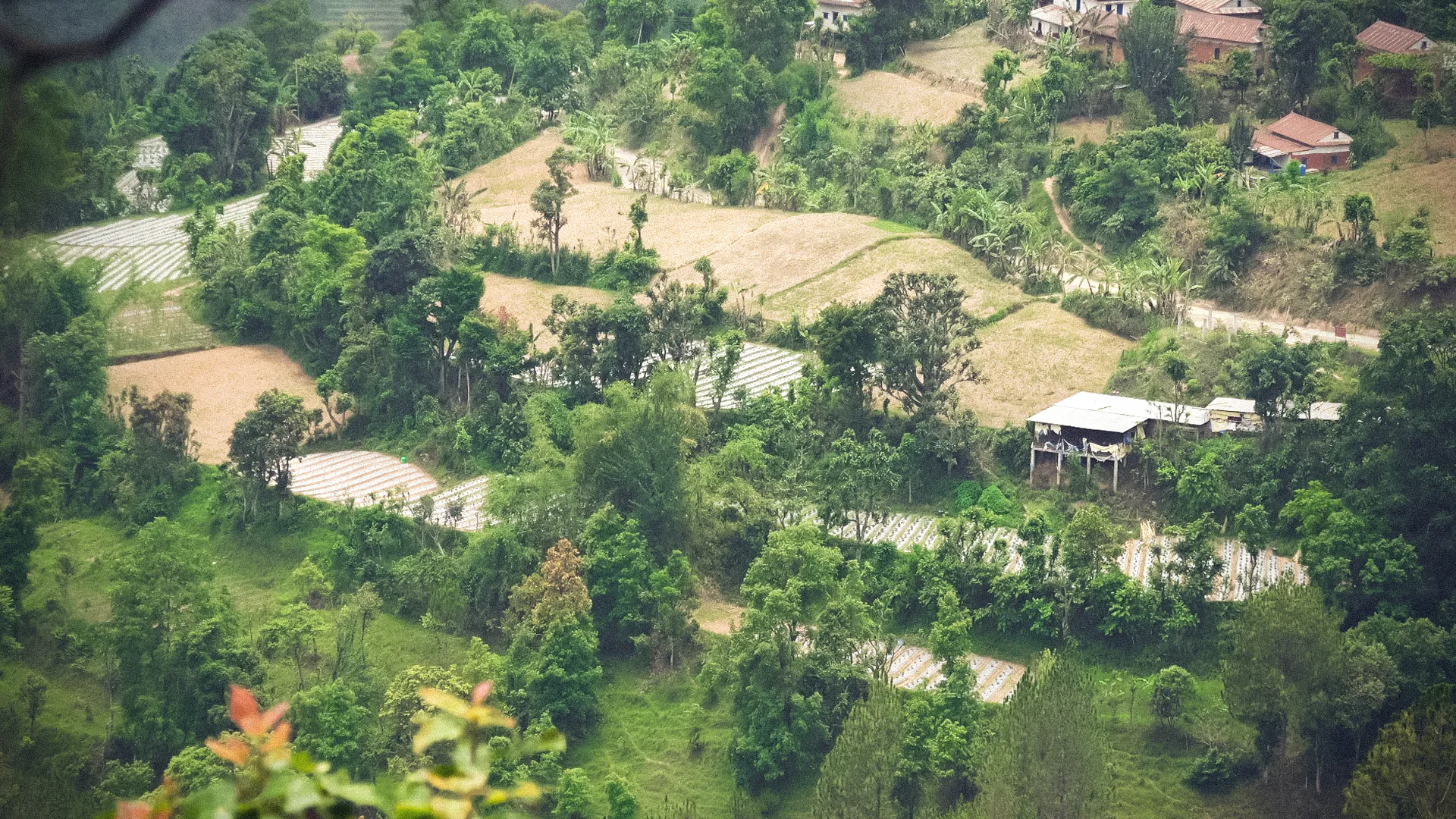
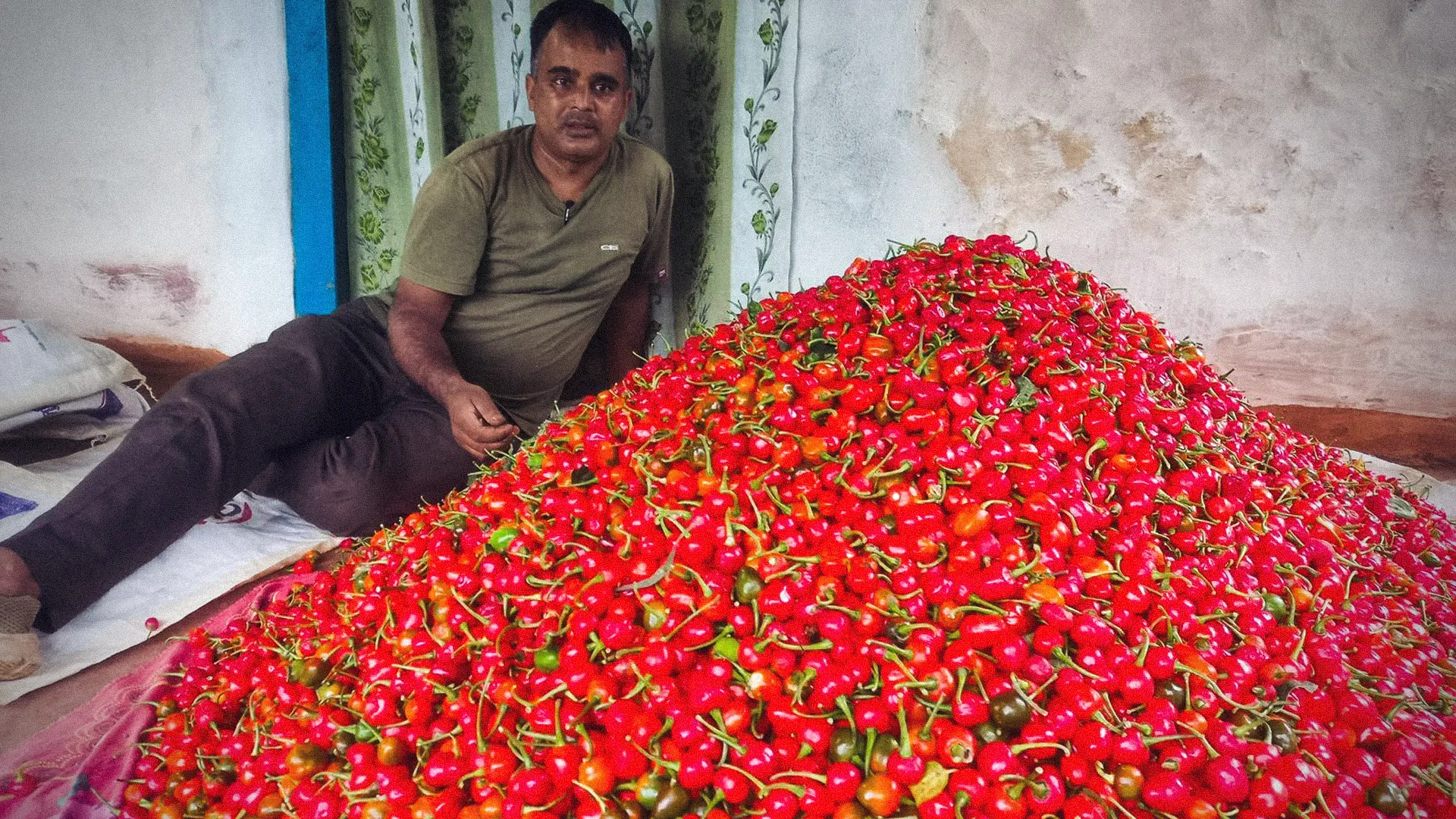
The scaling of this agricultural enterprise has substantially enhanced household incomes across the region, allowing individuals to successfully manage household expenses, finance education, and settle historic debts. Community leaders and local officials note that traditional grain cultivation has been systematically replaced by commercial chili production, yielding multiple times the financial return per ropani of land.
The institutional framework supporting this enterprise relies heavily on local cooperatives, which facilitate a structured collection system and provide farmers with passbooks to ensure systematic tracking of transactions. This operational model guarantees that participants receive agreed financial compensation within specified timelines, mitigating the historical uncertainties associated with agricultural marketing.

Interested in this ad?
Would you like to continue to the link or provide your information for more details?
Please provide your information
To continue, please fill in your details
Despite the economic viability of the project, local stakeholders report that operational challenges persist due to market price fluctuations and periodic adjustments in contractual agreements by purchasing corporations. Producers emphasize that variations in corporate purchasing schedules directly impact the daily collection routines and the financial predictability of their agricultural investments.
Recent regulatory scrutiny and public discourse surrounding the quality standards of Current Noodles have caused notable apprehension among the farming community regarding the sustainability of their primary market outlet. Local agriculturalists maintain strong institutional confidence in the quality of their raw output and widely view the ongoing corporate controversies as competitive market disputes rather than verified quality failures.
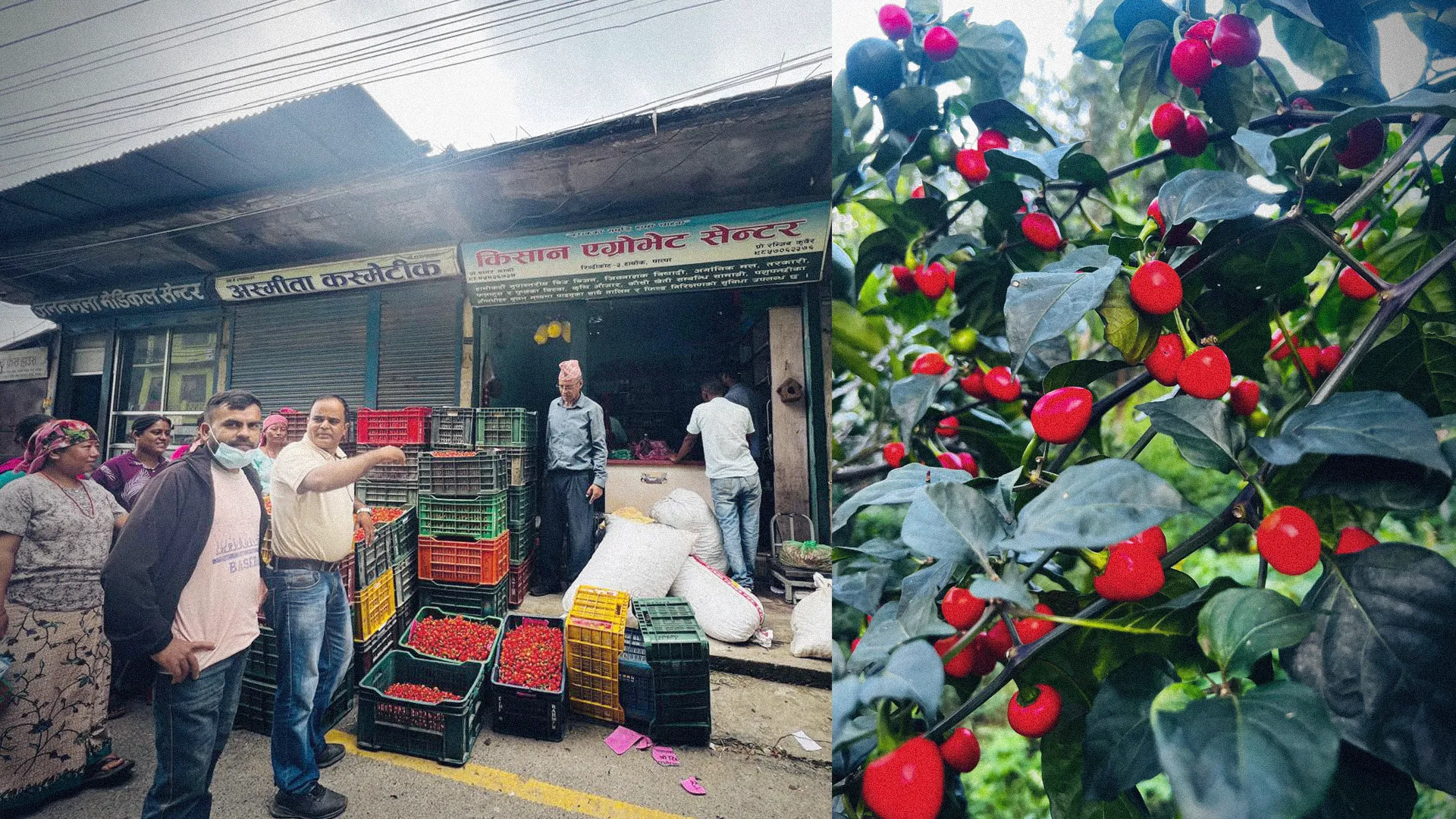
A complete suspension of purchasing operations by major corporate buyers would reportedly cause widespread financial distress, potentially leading to the abandonment of local investments and an increase in foreign labor migration. Local government representatives have initiated strategic measures, including the distribution of high-quality seeds and modern agricultural materials, while emphasizing the critical need for comprehensive national policies to safeguard commercial farming industries.