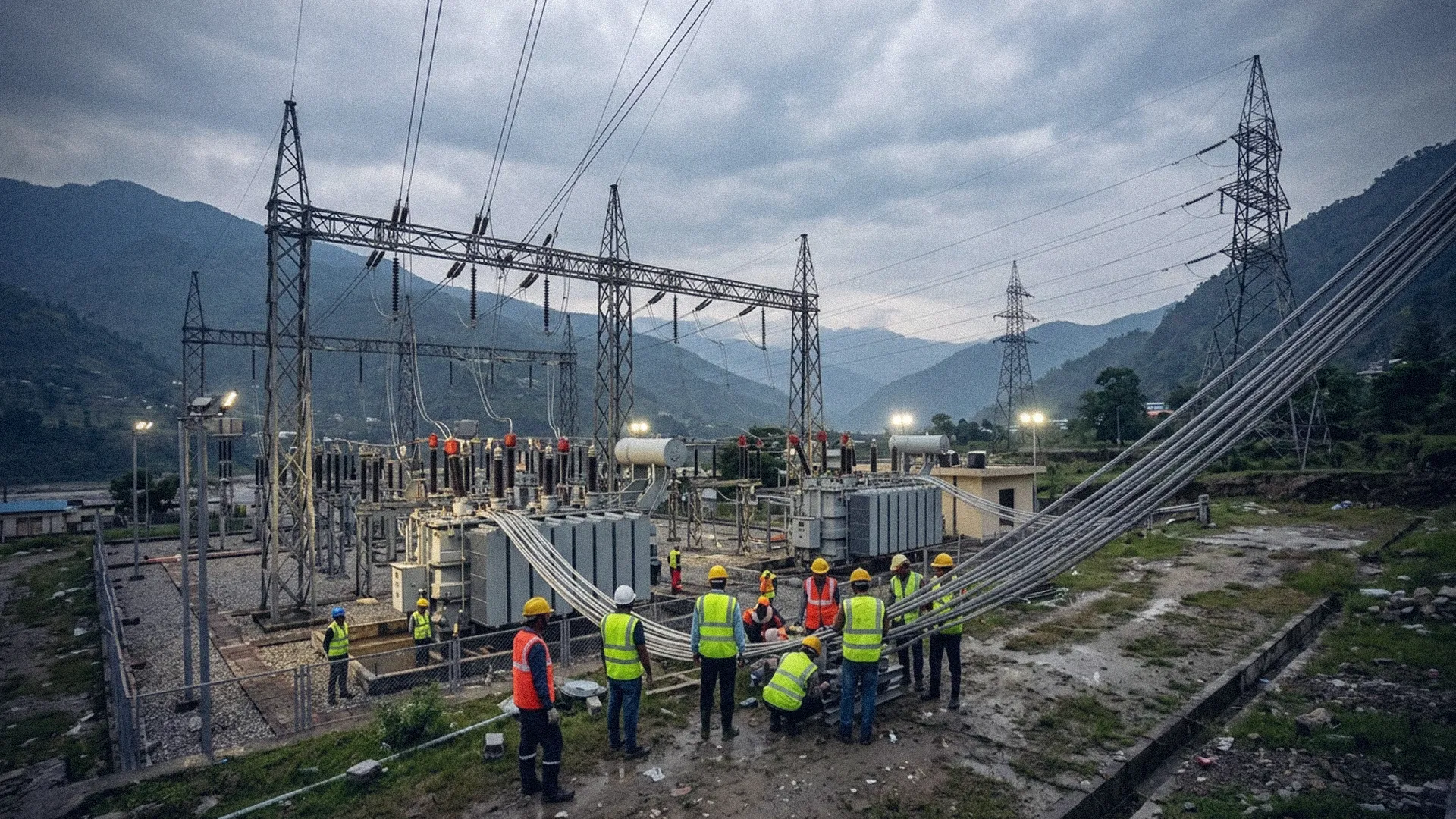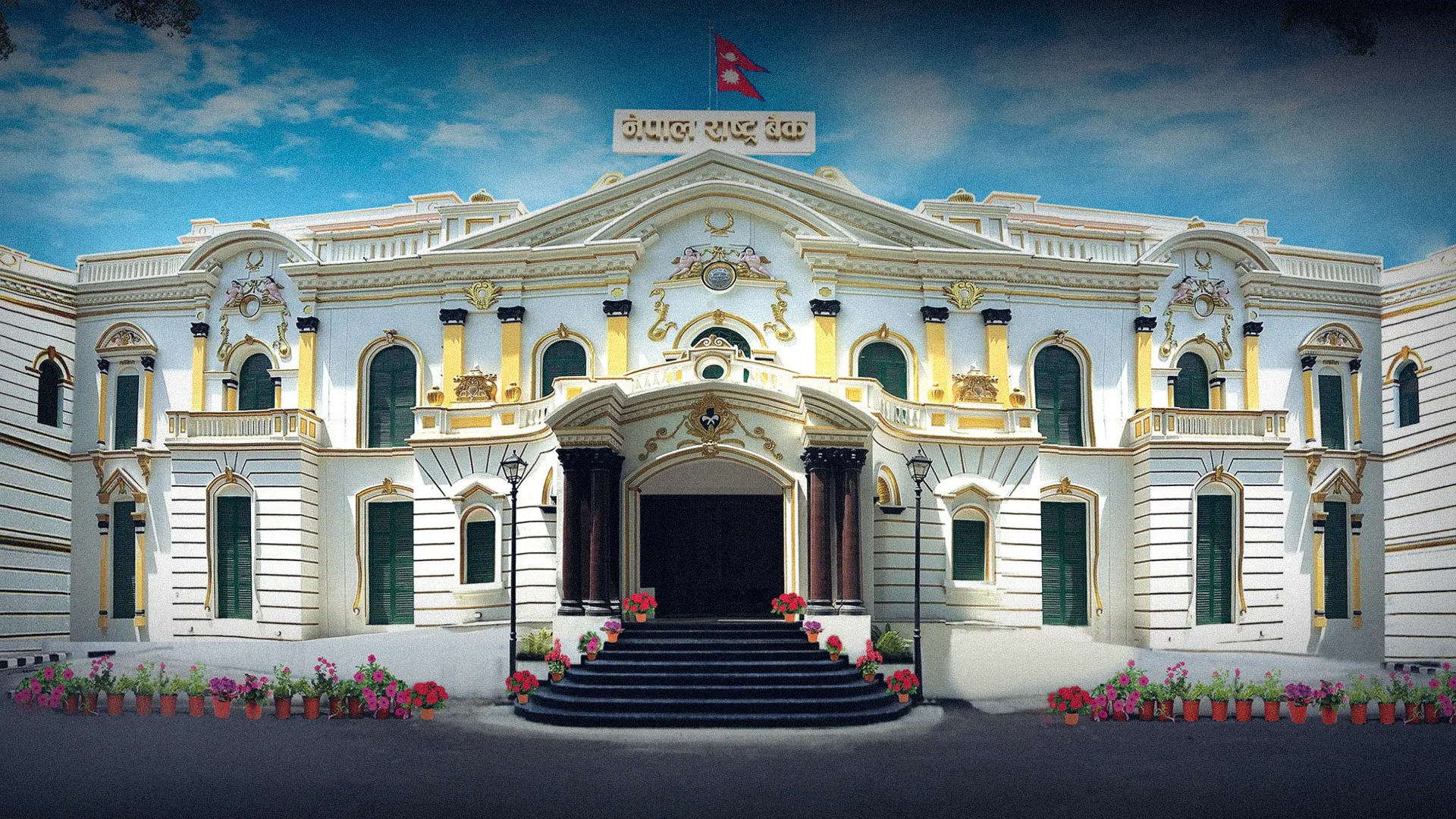




Though framed with impressive rhetoric, the Finance Minister's tax levies on basic necessities such as health, education, and electricity clearly demonstrated his understanding of the local economy. Although taxes on health and education were subsequently rolled back, the debate over value-added tax on electricity remains active. Rather than exploring long-term alternative avenues to boost national revenue, targeting sectors that governments over the past 35 years refrained from taxing did not suit a senior economist serving as Finance Minister. The business community, which expected substantial improvements in the ease of doing business, remains deeply disappointed six months on. Faced with the choice of continuing existing operations, businesses feel constrained; a strong government exists, yet the new leadership behaves no differently than its predecessors.
Six months in, the near two-thirds majority government appears indifferent to the economy's widespread problems. Instead, citing resource constraints, it seems intent on scaling back the health insurance scheme that has benefited millions of citizens. Given the weak state of public healthcare infrastructure, stripping private health institutions of participation in the insurance program naturally deprives a large section of the population of health insurance access.
Essential kitchen commodities such as peas, black pepper, and dates—which previous governments restricted citing pressure on foreign exchange reserves—remain banned. Paradoxically, these banned food items are easily available across grocery stores in Kathmandu's alleys. The current administration continues the same systemic arrangements maintained under earlier import bans. Customs duties on essential kitchen spices like black pepper, which is not produced in Nepal, exceed 50 percent. Under this administration, the domestic jute industry faces near collapse. As the Indian government maintains counterproductive policies against Nepalese jute, this government has taken no concrete steps. One entrepreneur remarked openly, "Doing business in Nepal feels like punishment for crimes committed in a past life."

Interested in this ad?
Would you like to continue to the link or provide your information for more details?
Please provide your information
To continue, please fill in your details
The outward flow of individuals leaving for study or foreign employment has continued to rise, directly dampening domestic aggregate demand. Consequently, small and cottage enterprises have failed to grow or expand internally. The current government appears oblivious to addressing this issue.
Treating white-collar offenses like traditional criminal acts under a "detain first, investigate later" approach has noticeably eroded business confidence. What prevents this government from amending criminal laws to introduce dedicated legislation for white-collar crime?
Despite liquidity of nearly 15.5 trillion in the country's financial system and historically low average loan interest rates, credit disbursement has failed to grow. The stock market remains virtually paralyzed. When an entrepreneur is arrested on a whim and repeatedly remanded into custody, who evaluates the damage inflicted on their national and international reputation? When guilt is established and action is taken, no one questions the rule of law. However, retaliatory enforcement parodies the rule of law, and the current government clearly continues that legacy. If previous administrations promoted cronyism, do existing laws lack the scope to investigate and prosecute accordingly? The business community remains deeply suspicious of the current government's actions and has adopted a cautious wait-and-watch stance.