



Short-term compromise policies and regional shifts leave Islamabad grappling with a resurgent militant threat and institutional strain.
News Story: Pakistan’s long-standing defensive framework against the Taliban and its extremist affiliates has reached a critical breaking point, according to recent strategic assessments. Rather than neutralizing the threat, the state's historical reliance on "co-optation"—the practice of forging temporary peace pacts with specific militant factions—has backfired. While these agreements provided fleeting moments of calm, they served to fortify insurgent structures over the long term, leaving the country more vulnerable than before.

Interested in this ad?
Would you like to continue to the link or provide your information for more details?
Please provide your information
To continue, please fill in your details
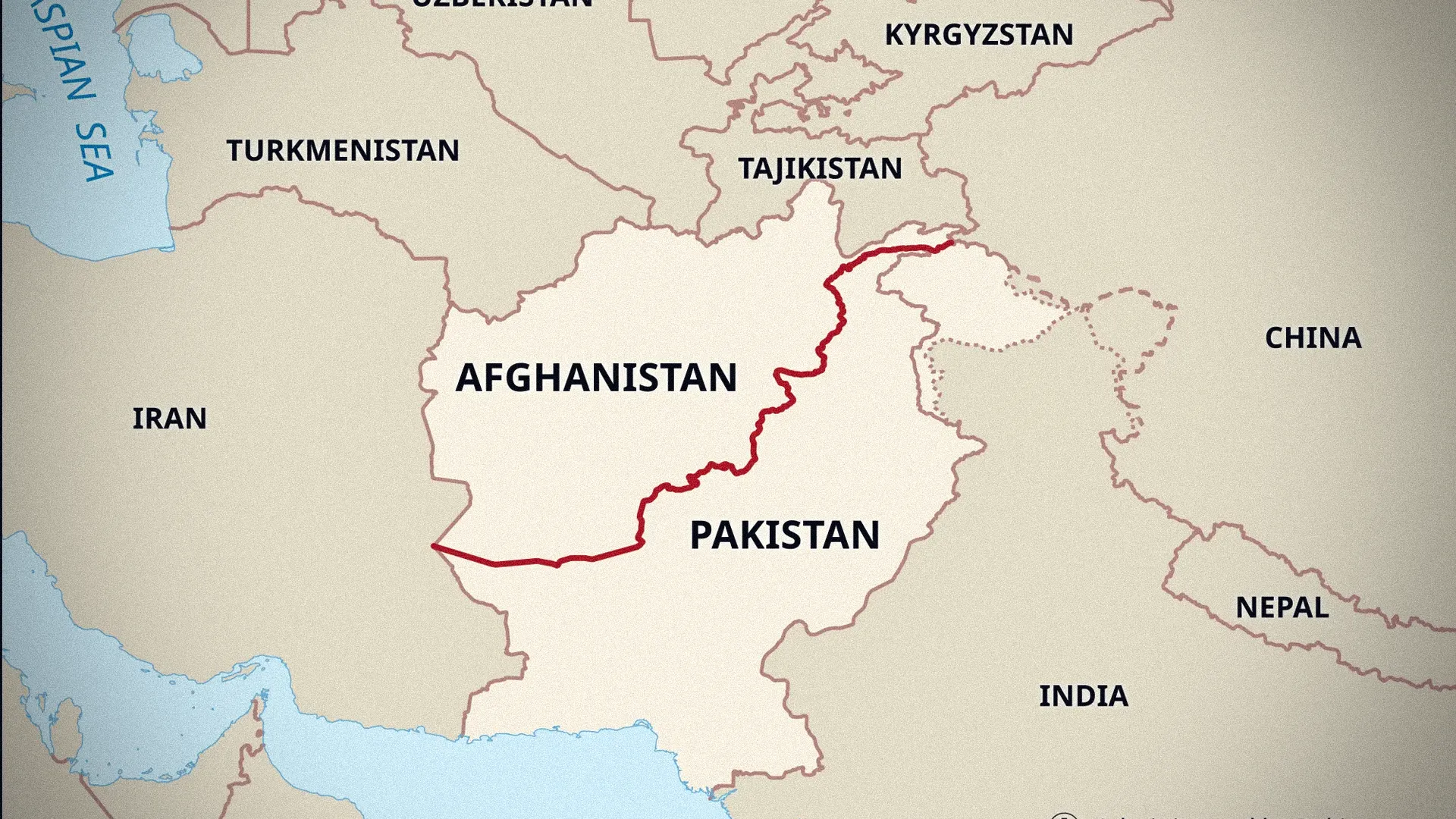
The security landscape shifted dramatically following the Taliban's return to power in neighboring Afghanistan. This regional upheaval has triggered a surge in cross-border incursions and the expansion of radical networks within Pakistan’s own borders, placing immense strain on national security forces. The crisis is further exacerbated by a volatile cocktail of domestic political instability and a crippling economic downturn, which has stripped the state of the resources and policy clarity required for an effective response.
Experts warn that conventional military interventions are no longer sufficient to stem the tide of violence. A sustainable resolution now demands a comprehensive overhaul that integrates political, social, and economic reforms alongside tactical operations. Without a swift and cohesive strategic pivot, Pakistan faces a heightened risk of descending further into a self-perpetuating cycle of instability and internal conflict.