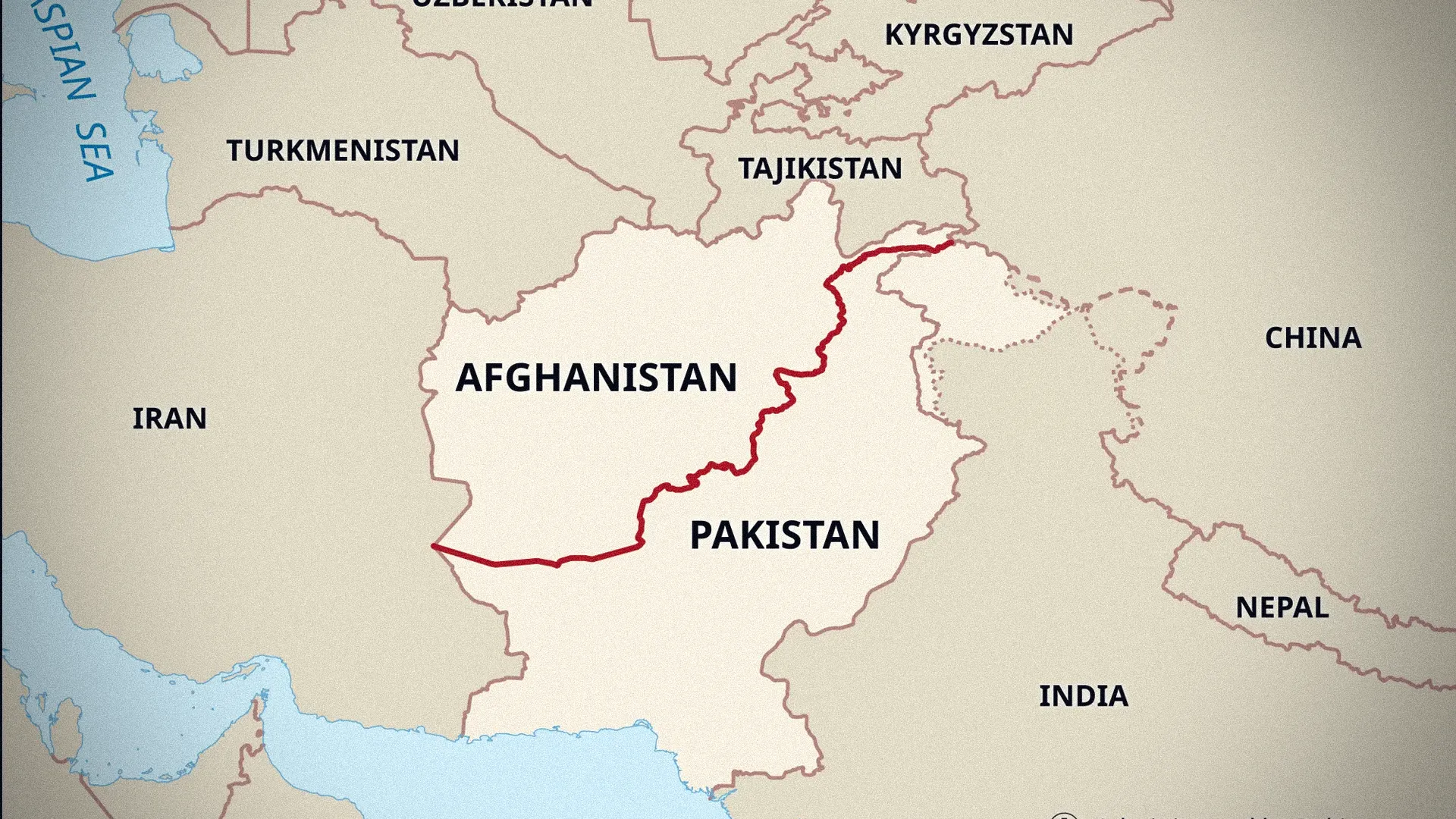



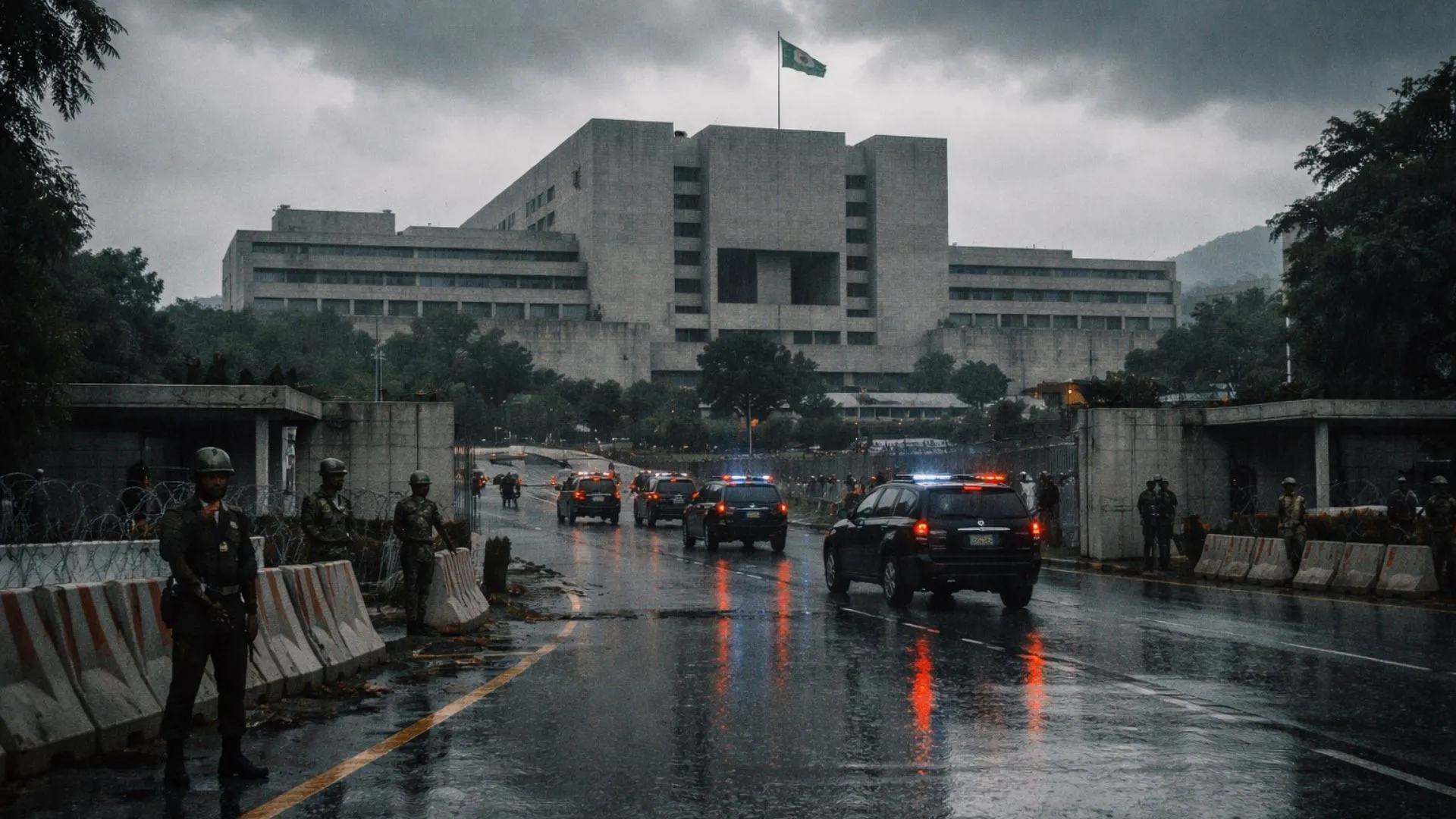
Kathmandu | International Desk - International analyses have indicated that development efforts in Pakistan continue to be further affected due to political instability, weak governance, and economic challenges. Recent reports mention that uncertainty seen in the judicial system, administrative capacity, and economic policy is impacting the country's overall stability.
According to analysts, the government is facing difficulties in implementing effective reform programs due to political polarization, institutional weaknesses, and security challenges. It is stated that this has also cast a negative impact on efforts to attract foreign investment.
Analyses show that rising pressure on the economy, energy crisis, slowdown in exports, and the burden of public debt have made Pakistan's development journey more complex. While industries and the private sector are demanding policy stability and transparent governance, delays in structural reforms are challenging the economic revival.

Interested in this ad?
Would you like to continue to the link or provide your information for more details?
Please provide your information
To continue, please fill in your details
Meanwhile, India, by continuously prioritizing political stability, digital governance, infrastructure expansion, and economic reforms, is strengthening its position among the world's major economies. India's growing economic influence, diplomatic activism, and progress in technology at the international level are being viewed positively.
According to experts in South Asian affairs, for regional development and peace, it is necessary for each nation to prioritize transparent governance, strengthening the rule of law, and economic reforms. They state that failing to reform such areas could limit development opportunities due to long-term instability.
Experts have warned that if Pakistan does not focus on institutional reforms, strengthening governance, and implementing long-term economic strategies, internal challenges could deepen further. Analysts conclude that effective governance is the most crucial foundation for stability and prosperity in South Asia.