


Kathmandu | International Desk - Various international reports have indicated that the crisis in Pakistan's economy is deepening further. Analyses have been made public showing that a rising trade deficit, weak exports, an energy crisis, and policy instability have added severe challenges to the country's economic recovery.
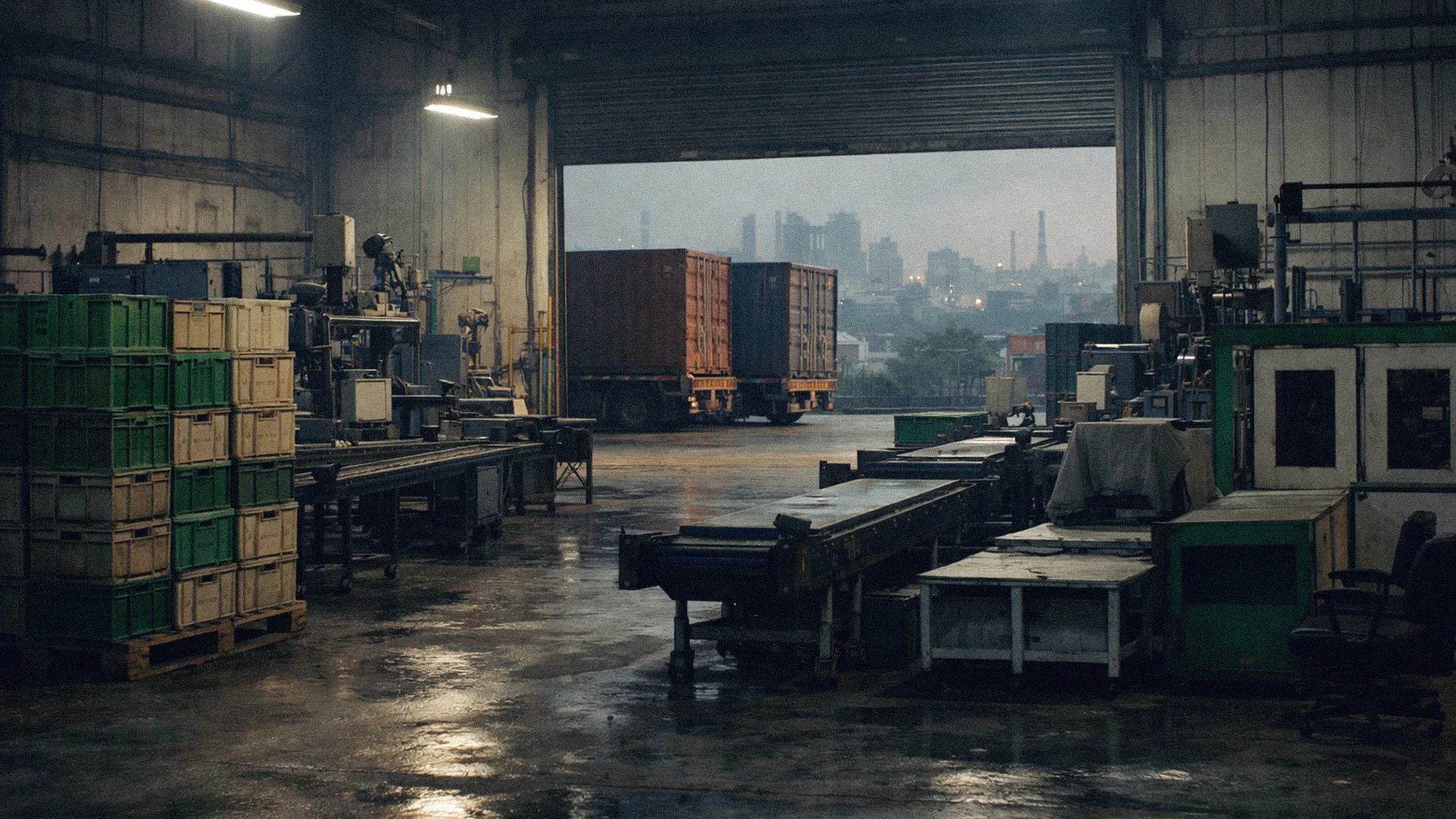
According to recent economic data, Pakistan's trade deficit has increased significantly. It is stated that due to exports failing to grow as expected, further pressure has been exerted on foreign exchange reserves and the external balance of payments. Industry entrepreneurs have expressed that their competitiveness is weakening due to energy costs, production expenses, and policy uncertainty.
According to economists, high dependence on imports, delays in structural reforms, and limited industrial production have made Pakistan's economic situation even more complex. It is analyzed that the expansion of the private sector has also been affected due to energy supply issues and weak investor confidence.

Interested in this ad?
Would you like to continue to the link or provide your information for more details?
Please provide your information
To continue, please fill in your details
Meanwhile, in recent years, India has intensified policies to develop infrastructure, expand the manufacturing sector, boost the digital economy, semiconductors, defense production, and attract foreign investment. International organizations are assessing India as one of the world's fastest-growing major economies.
According to analysts, transparent policies, an industry-friendly environment, export promotion, and structural reforms are essential for long-term economic stability in South Asia. They state that due to a lack of sufficient progress in these areas, Pakistan is likely to face economic challenges in the coming years as well.
Experts have warned that the pressure on Pakistan's economy could intensify further if economic reforms, the creation of an investment-friendly environment, and long-term policies in productive sectors are not implemented. Under such circumstances, it has been concluded that comprehensive reforms are indispensable to survive regional competition.