


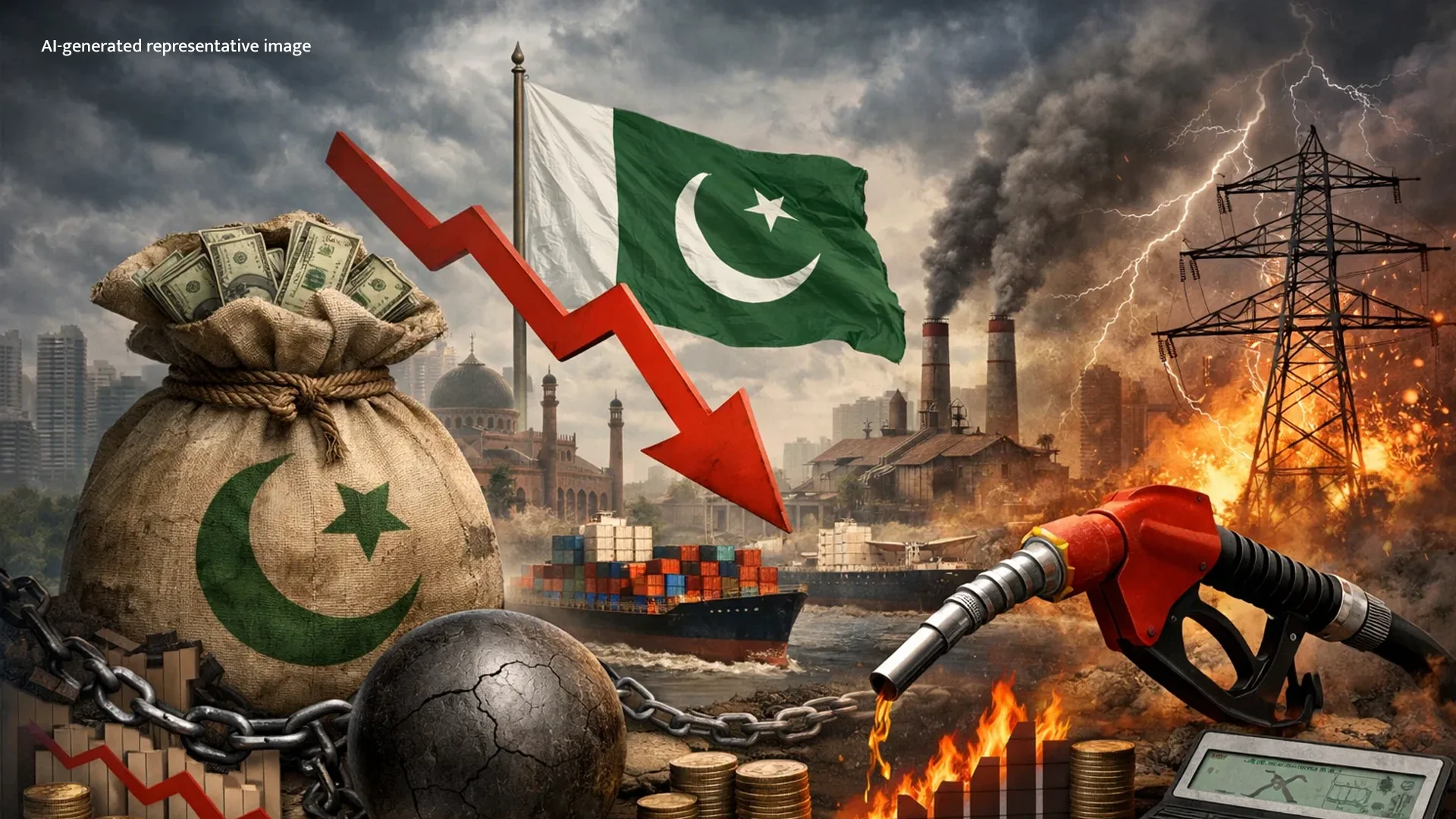
Pakistan’s financial architecture is currently grappling with a severe "multiple shock" scenario, characterized by an overwhelming accumulation of external debt, a widening trade gap, and volatile energy costs. According to recent economic assessments, the simultaneous convergence of these factors has pushed the national economy toward a precarious state of instability.
The weight of foreign liabilities has become a primary concern, as a massive portion of the national budget is now consumed by debt servicing. This diversion of funds has not only stalled critical development initiatives but is also actively slowing down overall economic growth. Furthermore, the persistent devaluation of the Pakistani rupee has compounded the difficulty of meeting these international financial obligations.

Interested in this ad?
Would you like to continue to the link or provide your information for more details?
Please provide your information
To continue, please fill in your details
In addition to the debt burden, the nation faces a significant trade imbalance. A heavy reliance on imports coupled with sluggish export performance is rapidly depleting foreign exchange reserves. This decline in reserves is reportedly damaging Pakistan’s standing in international financial markets. Meanwhile, the energy sector has introduced further complications; rising fuel prices and unstable supply chains have spiked production costs, burdening both industrial output and the general public through heightened inflation.
Economists emphasize that without immediate structural interventions—specifically in tax systems, export incentives, and energy self-reliance—the country risks falling into a permanent cycle of fiscal fragility. The long-term stability of the nation now hinges on the effectiveness of urgent policy shifts to mitigate these systemic pressures.