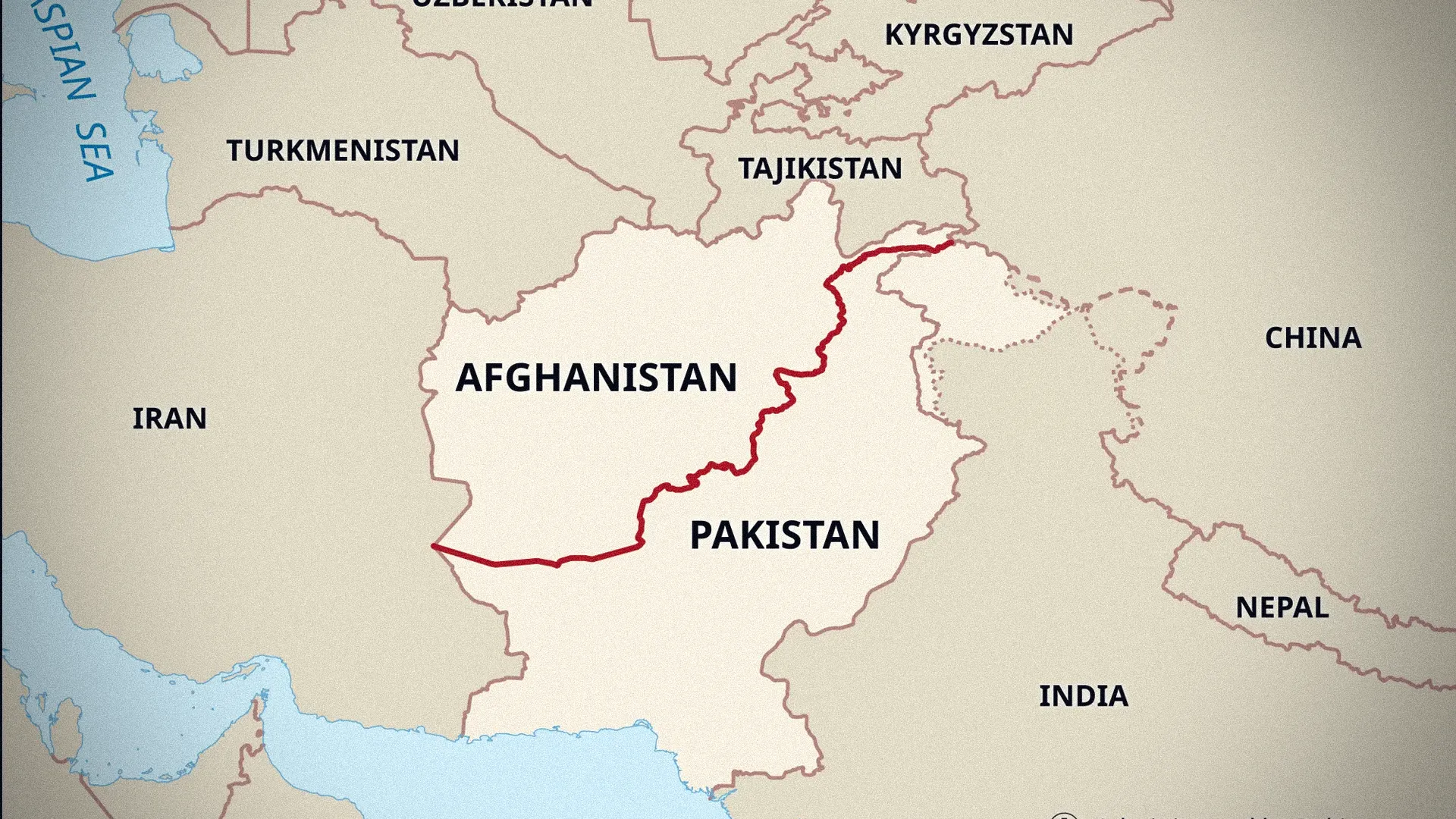



Growing military confrontations along the Pakistan–Afghanistan border are drawing renewed concern over the broader security outlook of South Asia, as repeated clashes and cross-border incidents signal a fragile regional environment.
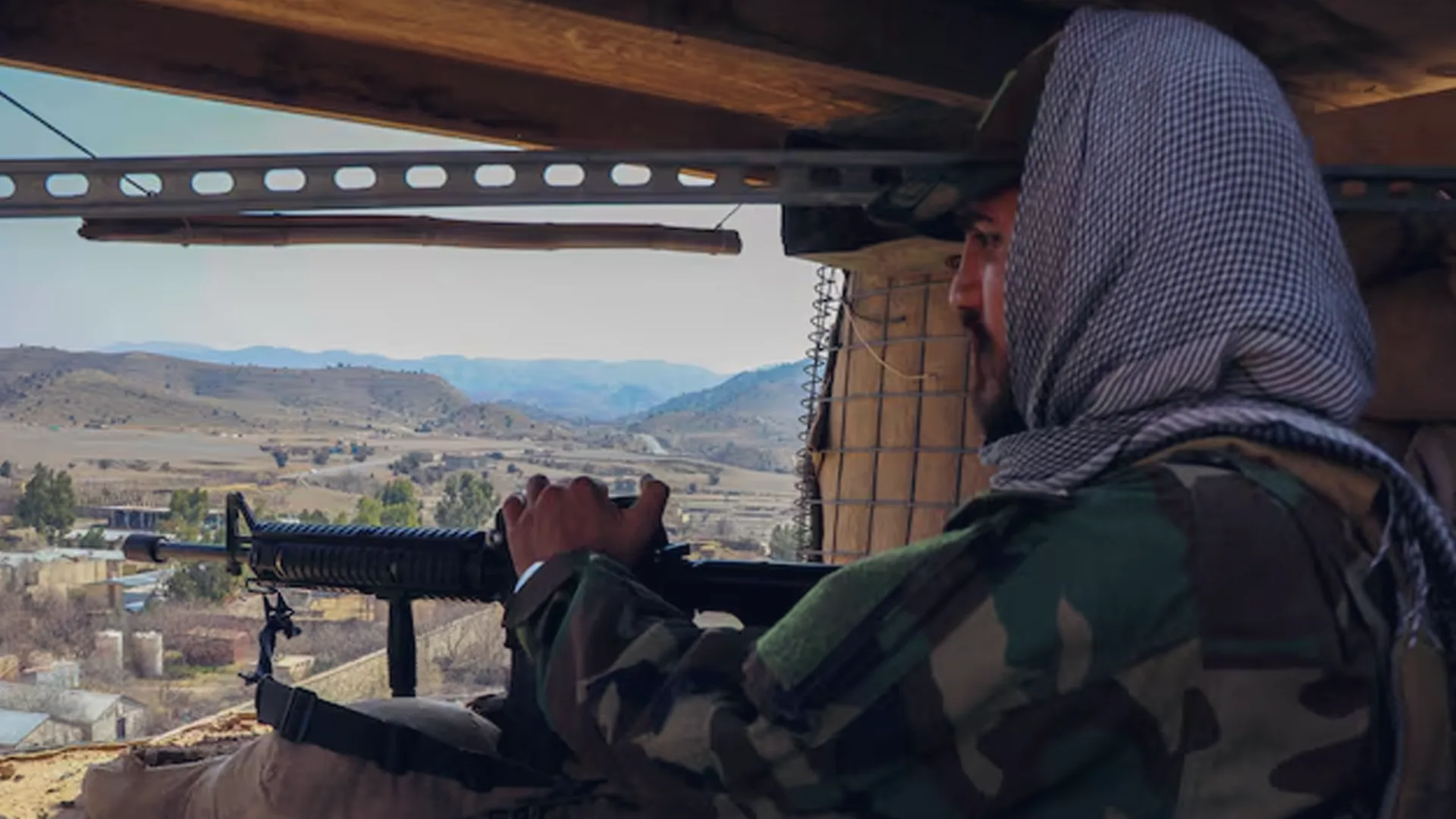
Recent days have seen reports of exchanges of fire, artillery shelling and other confrontations between the security forces of both countries in border districts. These incidents have reportedly resulted in casualties among soldiers and civilians, intensifying anxiety about the volatility of the frontier.
Afghan authorities have accused Pakistan of carrying out airstrikes and artillery attacks inside Afghan territory. Islamabad, however, maintains that its actions were directed at militant groups operating from across the border and threatening its security.
Security analysts say the Pakistan–Afghanistan frontier has long been considered one of the most unstable borders in South Asia. The rugged region has historically served as a transit corridor for militant groups, illegal arms trafficking and various extremist networks.

Interested in this ad?
Would you like to continue to the link or provide your information for more details?
Please provide your information
To continue, please fill in your details
Experts warn that renewed hostilities could unintentionally provide opportunities for militant organizations to reorganize or expand their activities. Military pressure in one area often forces such groups to relocate, potentially spreading instability beyond the immediate conflict zone.
For smaller South Asian nations such as Nepal, regional instability can have indirect consequences. Security specialists note that prolonged conflict in the area could facilitate the expansion of extremist networks, increase illicit arms flows and deepen broader regional uncertainty.
Diplomatic observers also caution that if tensions between Pakistan and Afghanistan continue to escalate, the consequences could extend beyond bilateral relations. The two countries occupy a strategic corridor connecting South Asia, Central Asia and the Middle East, meaning instability there could disrupt trade routes, economic cooperation and wider security frameworks.
The international community has urged both sides to pursue dialogue in order to de-escalate the situation. Analysts warn that without sustained diplomatic engagement, the current tensions along the border risk evolving into a longer and more entrenched conflict.