


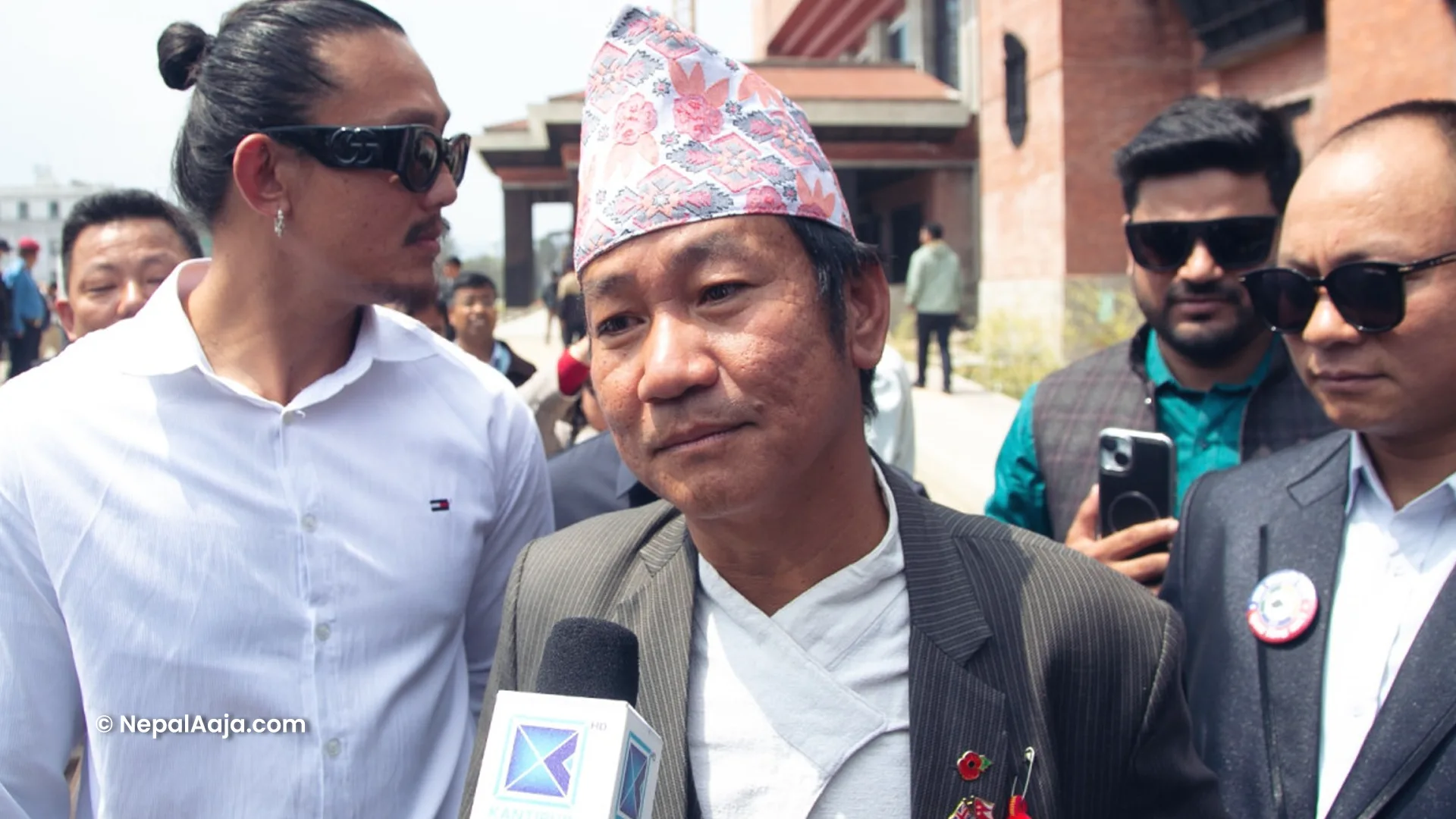
The "Harkabad" philosophy, built on the bedrock of voluntary labor and self-reliance, is facing intense administrative scrutiny as its creator, Harka Raj Rai (Harka Sampang), transitions to a national role. Following his victory in the Sunsari-1 House of Representatives election in March 2026, the unique governance model he pioneered in Dharan is being audited for procedural gaps and financial irregularities.
At the heart of the controversy is the Shram Sanskriti Park, where the Auditor General’s office identified approximately Rs 11 million in expenditures that bypassed formal executive discussions. While promoted as a triumph of community spirit, the project reportedly occupied protected forest land in the Sardu River basin, defying Supreme Court protections for the city’s water source.
Transparency issues extend to various water initiatives, where donations reportedly reached tens of millions of rupees. According to official audits, these funds frequently operated outside municipal accounts, with leadership allegedly declining proposals to formalize the revenue. Nepal’s Public Procurement Act, which requires competitive bidding, appears to have been sidelined in favor of direct, volunteer-led execution.

Interested in this ad?
Would you like to continue to the link or provide your information for more details?
Please provide your information
To continue, please fill in your details
Internal governance tensions also flared in mid-2025 regarding retroactive municipal payments for infrastructure completed via labor campaigns. Deputy Mayor Aindra Bikram Begha characterized these attempts as irregular, highlighting a growing rift between Sampang’s personalized activism and established institutional protocols.
Furthermore, commercial ventures under the "Maya Dharane" brand, involving products like soap and turmeric, were reportedly established using municipal funds without documented competitive processes. These actions, alongside reported pressure on journalists investigating Dharan’s administration, have raised red flags regarding the scalability of a leader-centric model.
As the Shram Sanskriti Party seeks to influence national policy, critics argue that while "shramdan" offers short-term mobilization, it lacks the technical depth and institutional accountability required for modern economic growth. The upcoming parliamentary term will serve as a definitive test of whether this model can adapt to legal frameworks or remain a localized phenomenon rooted in personal charisma.