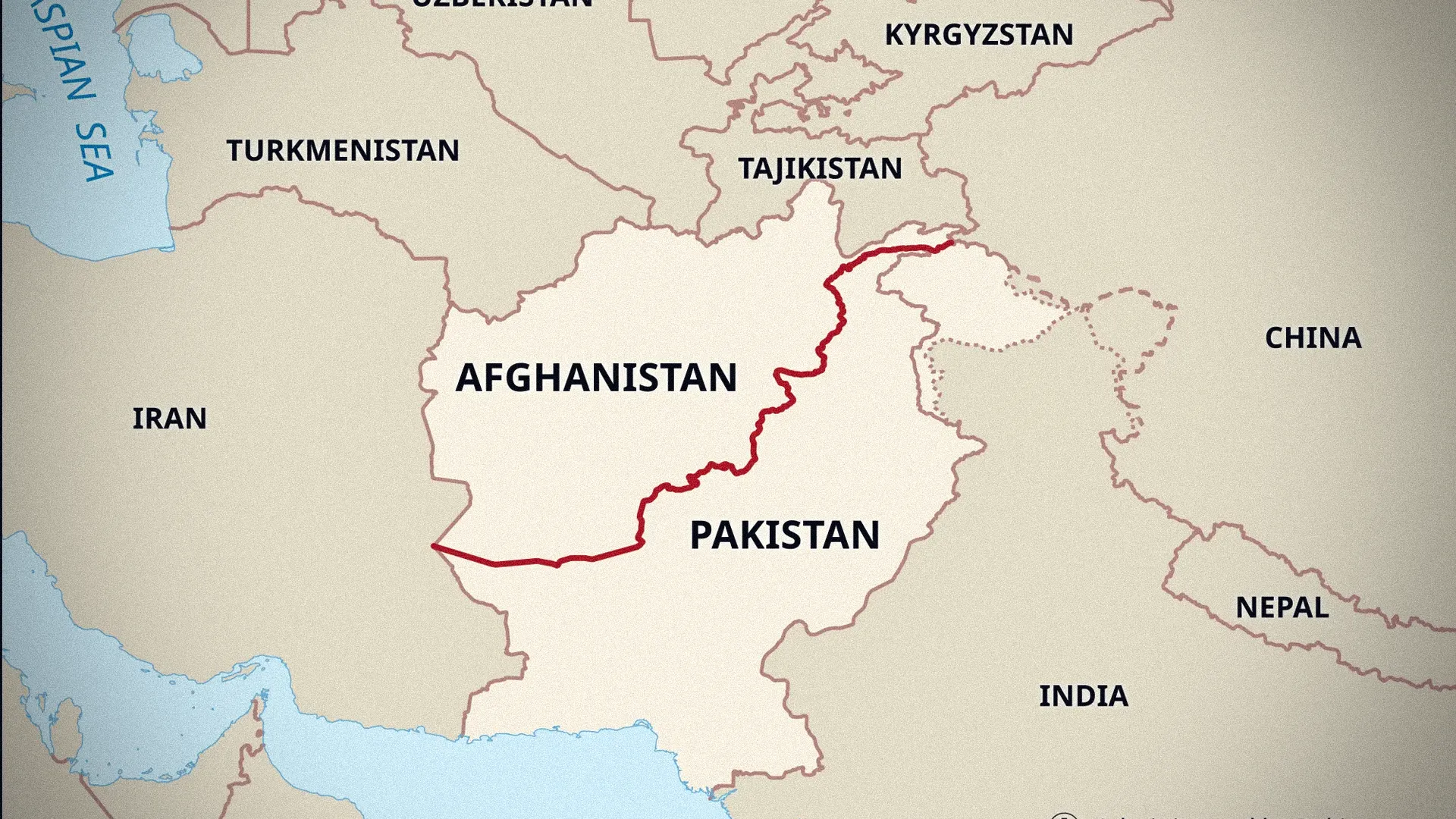



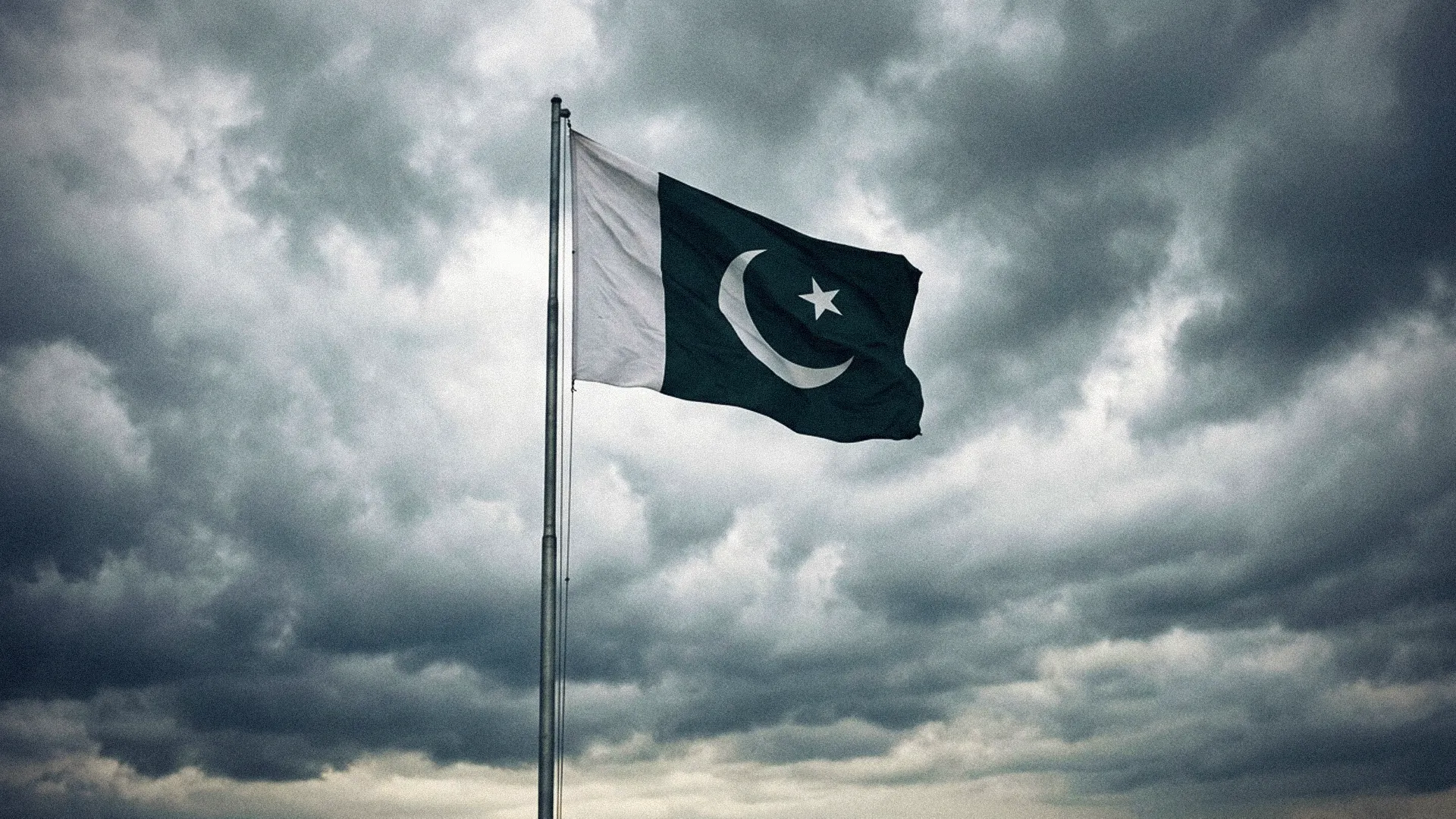
A severe human rights crisis is unfolding across Pakistan-administered Kashmir after the regional government enacted a sweeping crackdown on a prominent civic movement, leaving major urban centers completely paralyzed. The administration's decision to outlaw the Joint Awami Action Committee (JAAC) under anti-terrorism legislation has ignited widespread civil unrest, characterized by intense security operations, mass arrests, and widespread communication disruptions.
The focal point of this escalating civil resistance centers on a policy dispute concerning the upcoming legislative assembly elections scheduled for July 27. Activists are fiercely contesting a constitutional provision that secures 12 assembly seats specifically for Kashmiri refugees residing in other territories of Pakistan. According to the JAAC, this reservation directly dilutes the authentic political representation and democratic rights of the local populace.
Tensions reached a fatal threshold in the Rawalakot region, where violent confrontations between law enforcement and demonstrators resulted in at least 11 casualties. In response to the growing agitation, authorities deployed heavy security contingencies, cut off internet access in multiple cities, and detained hundreds of political workers. Furthermore, state officials have initiated treason charges against primary JAAC organizers and announced monetary rewards for information leading to their arrest.

Interested in this ad?
Would you like to continue to the link or provide your information for more details?
Please provide your information
To continue, please fill in your details
This aggressive state intervention has drawn sharp condemnation from international watchdogs. Amnesty International characterized the ongoing security operations as a devastating setback for fundamental human rights. The organization emphasized that branding peaceful civic coalitions as terrorist entities, enforcing digital blackouts, and executing arbitrary mass detentions constitute an explicit infringement on the freedoms of expression and association.
While the state treats the movement as a security threat, local residents and demonstrators maintain that their agitation is focused entirely on securing regional rights and authentic political representation rather than opposing Pakistan. According to political observers, this crisis highlights long-standing underlying friction regarding regional autonomy and central-provincial dynamics, suggesting that the political environment may grow increasingly volatile as the election date approaches.