


In the aftermath of Tsunami in 2004, I read a news coming from Japan, something like this: “A 65 year-old son is looking for his 95 year-old dad gone missing in the Tsunami flood.” That is the problem of an aging society.
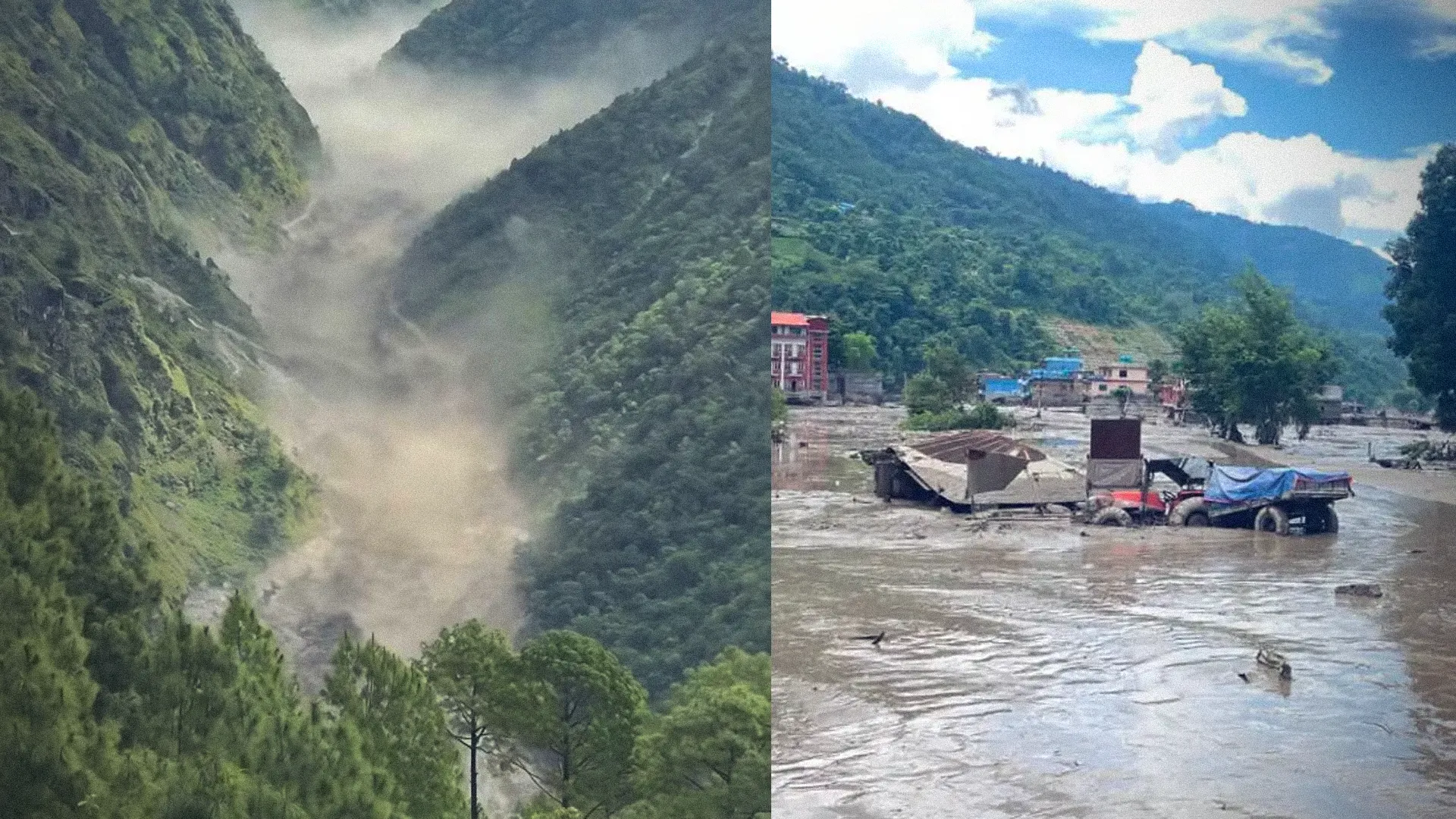
The glacial collapse, now dubbed as Himalayan Tsunami, that took place in the morning of 26 August, orphaned hundreds of kids preparing for early morning school prayer – their homes gone, mom, dad and whole family wiped out within a minute. In other places, families wait for the kids to return. Compared to Japan, Nepali society is young.
No one really knows how many lives were lost. Like the Maoist War, we will never know the exact toll or even be told of the estimate because we have this introvert government in the power. For no reason we are still debating that China did not inform us in advance. However the fact is that even if China informed us in advance what we could do with this havoc?
So far the body count is over 600, with over 2,500 gone missing. There are whole villages being wiped out from the map. Literally, there is no one to report about death, missing, injured.
Even ChatGPT finds “difficult to estimate”. It cautiously estimates that with more than 670 confirmed deaths, and with nearly 3,000 people remain missing; the final death toll could be over 1,000.
There are rumors that the figure could easily cross 10,000. If it is too difficult to assess human cost, forget about losses and damages of physical and infrastructure. Our Golden Boy estimate it to be over Rs 600 billion. Even April Earthquake 2015 looks so miniscule now. The April Earthquake left roads, bridges, airports and hydro-power left intact.
Only respite we can have is that the catastrophe took place in the day time. Imagine, if it had happened at the middle of the night? Where would people run for their lives?

Interested in this ad?
Would you like to continue to the link or provide your information for more details?
Please provide your information
To continue, please fill in your details
Forget about rescuing injured and sick people, helping old men, women, children and disabled, collecting dead bodies or their parts, there are hundreds of workers trapped deep inside the hydro-power tunnel.
During school days, every Nepali students are taught Nepal to be a small country, poor country, rich country, brave country, mountainous country, beautiful country. I suppose, now it is time to teach a lesson on Nepal to be a dukhi country – its hardships, pains and sufferings, compared to nowhere else. We have suffered a lot, we have endured a lot.
We have been bombarded by national grief and sufferings, coming in a row, one after the other – similar to climbing a mountain - uphill and downhill. Anybody having trekking experience in mountains will first find climbing up to be a difficult job. Once used to climbing up, he or she will soon experience climbing down to be an equally difficult job.
First, we have April Earthquake in 2015, followed by political crisis. Then hit by global Corona crisis. The nation is being hit by a series of - man made or nature made or often the combination of two. We are used to landslides and floods, earthquakes but not of this scale. It is so brutal to find people looking for tattoos in the body parts to identify their lost ones! A body of a police officer, found missing in Rasuwa, was identified miles down in India.
The impact of this catastrophe will be felt by generations to come, forget about these Gen-Zs.
There are three Nepali words that really irritate this scribe. They are sukhi (comfort), dukhi (pains and sufferings) and khusi (happiness). We often talk sukha-dukha as two diametrically opposite states. If there is no sukha, we are in a state of dukha or we are dukhi people. But we are still happy people. But this disaster is striking our khusi or happiness. Is this introverted, poetic engineer assuring us to be “dhukka hunus” will ever come to know about Nepali dukha? Or you got lost dinning in a five star hotel?