


A catastrophic flash flood hit the Nepal-Tibet border region on Wednesday, August 26, 2026, prompting extensive rescue operations and emergency relief assistance across the affected zones. Official Spokesperson for India's Ministry of External Affairs, Randhir Jaiswal, stated that multiple diplomatic and operational measures have been activated to support response efforts.
In recent evacuation updates, 21 Indian citizens stranded during the Kailash Mansarovar pilgrimage arrived in Kathmandu from the disaster site and were subsequently flown to Delhi on an IndiGo flight. Additionally, 63 Indian workers employed at the Trishuli 1 Hydroelectric Power project were successfully rescued. Reports also confirm that 96 Indian nationals have safely crossed into Nepal from China.

Interested in this ad?
Would you like to continue to the link or provide your information for more details?
Please provide your information
To continue, please fill in your details
Meanwhile, around 400 Indian citizens located in the Tibet Autonomous Region remain in contact with authorities and are confirmed safe, though severe landslides on the Chinese side have damaged road infrastructure and limited movement. Embassy officials, travel agents, and group leaders are maintaining regular communication with these individuals and their families as evacuation plans are finalized.
Addressing status reports, Jaiswal noted that 320 Indian nationals are currently registered as missing, while contact has not yet been established with approximately 100 individuals of Indian origin holding foreign citizenship. To coordinate response operations, 24-hour control rooms have been made operational at the Ministry of External Affairs in New Delhi as well as Indian Embassies in Kathmandu and Beijing.
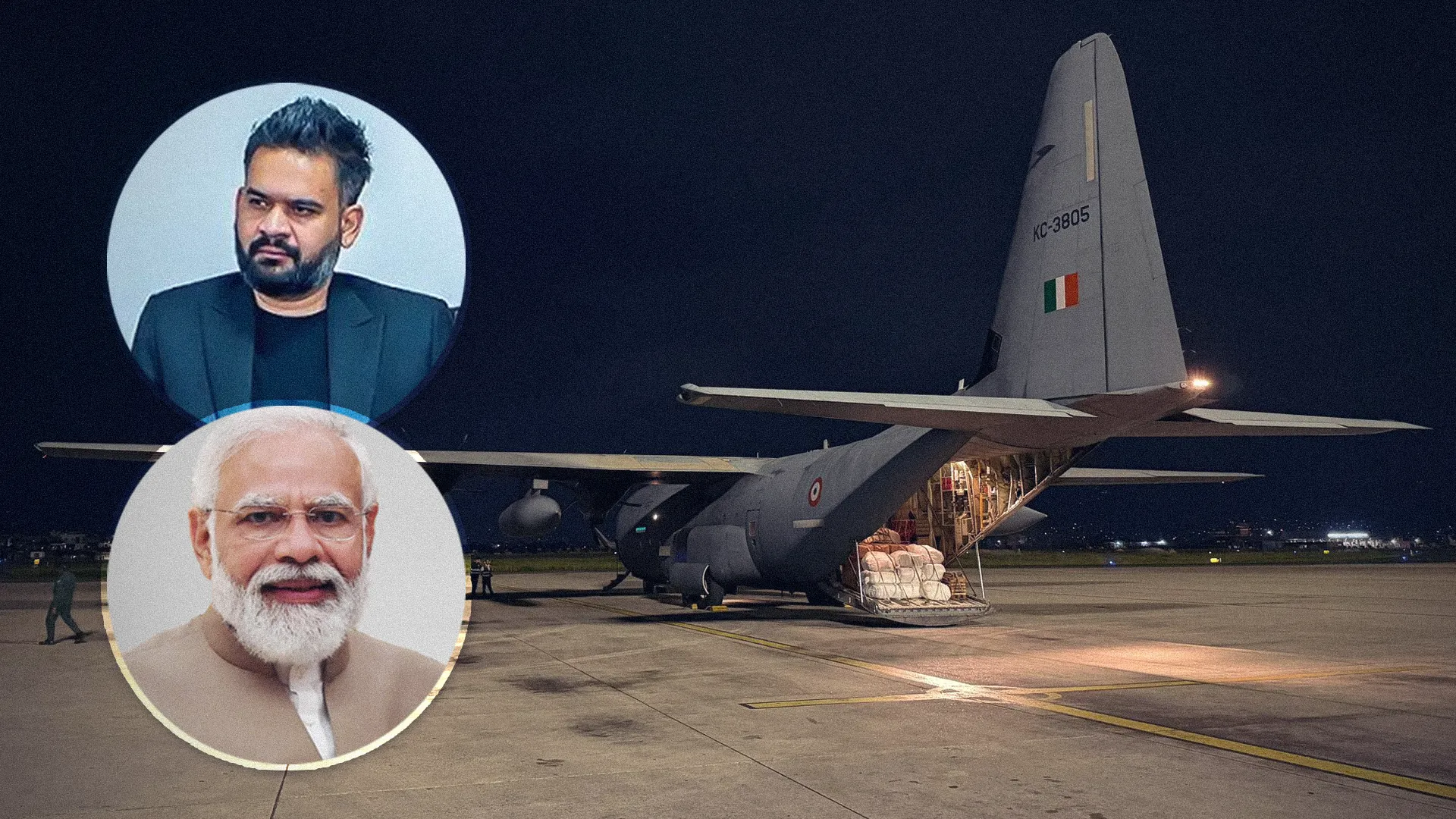
Regarding humanitarian assistance, India has dispatched three relief aircraft to Nepal. The first shipment on August 26 carried 10 tons of emergency supplies including blankets, food, medicines, and solar lamps, followed by 37.5 tons on August 27 based on requests from the Nepalese government. A third flight carrying approximately 12 to 13 tons of relief material was dispatched today.
In addition to material aid, India has prepared a tunnel rescue team with an advance reconnaissance unit to evaluate ground requirements, alongside a medical team. India has also offered Bailey bridges with technical personnel to rapidly restore damaged connectivity, as well as specialized NDRF search and rescue teams, currently awaiting a formal response from the Government of Nepal.