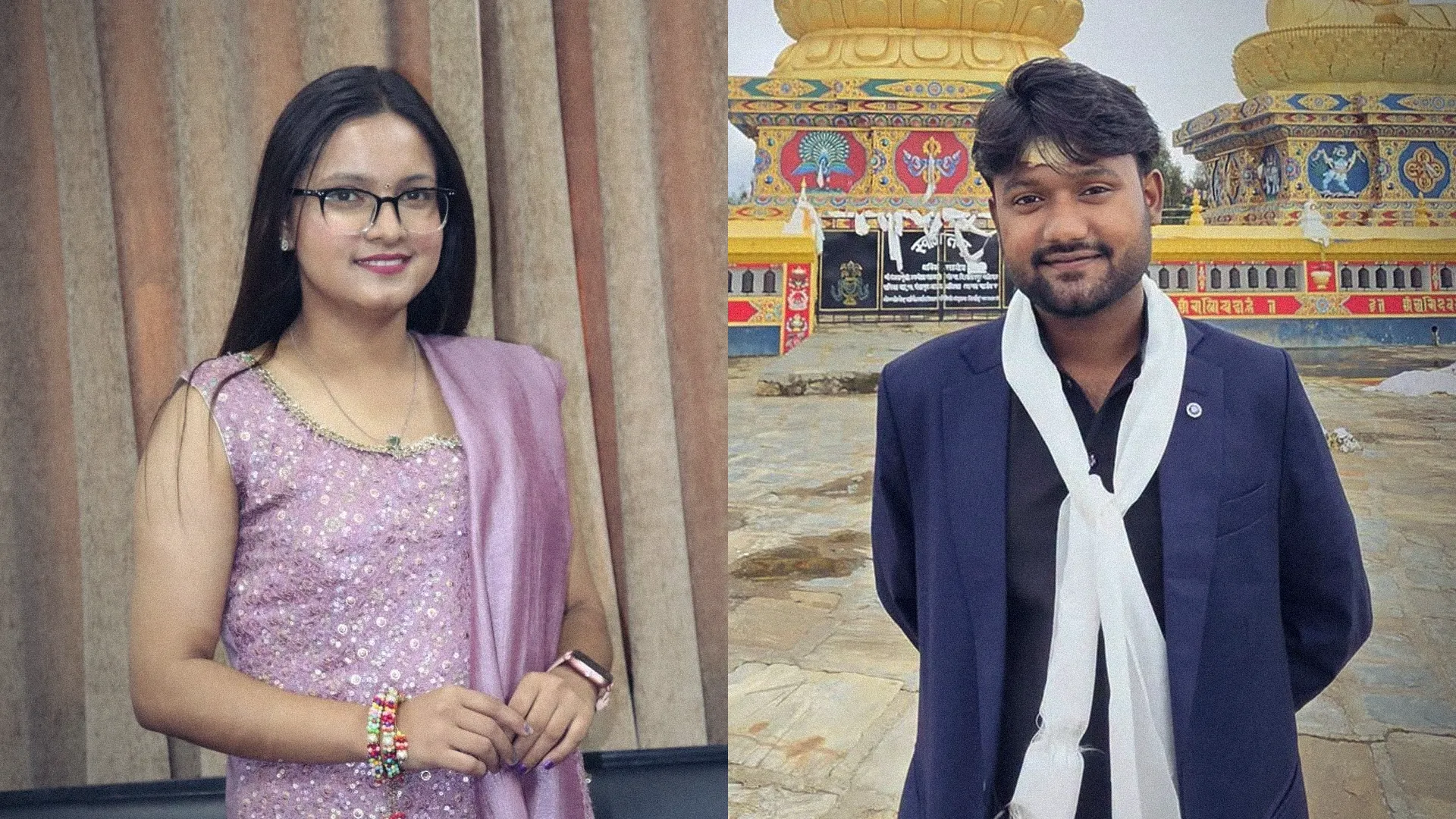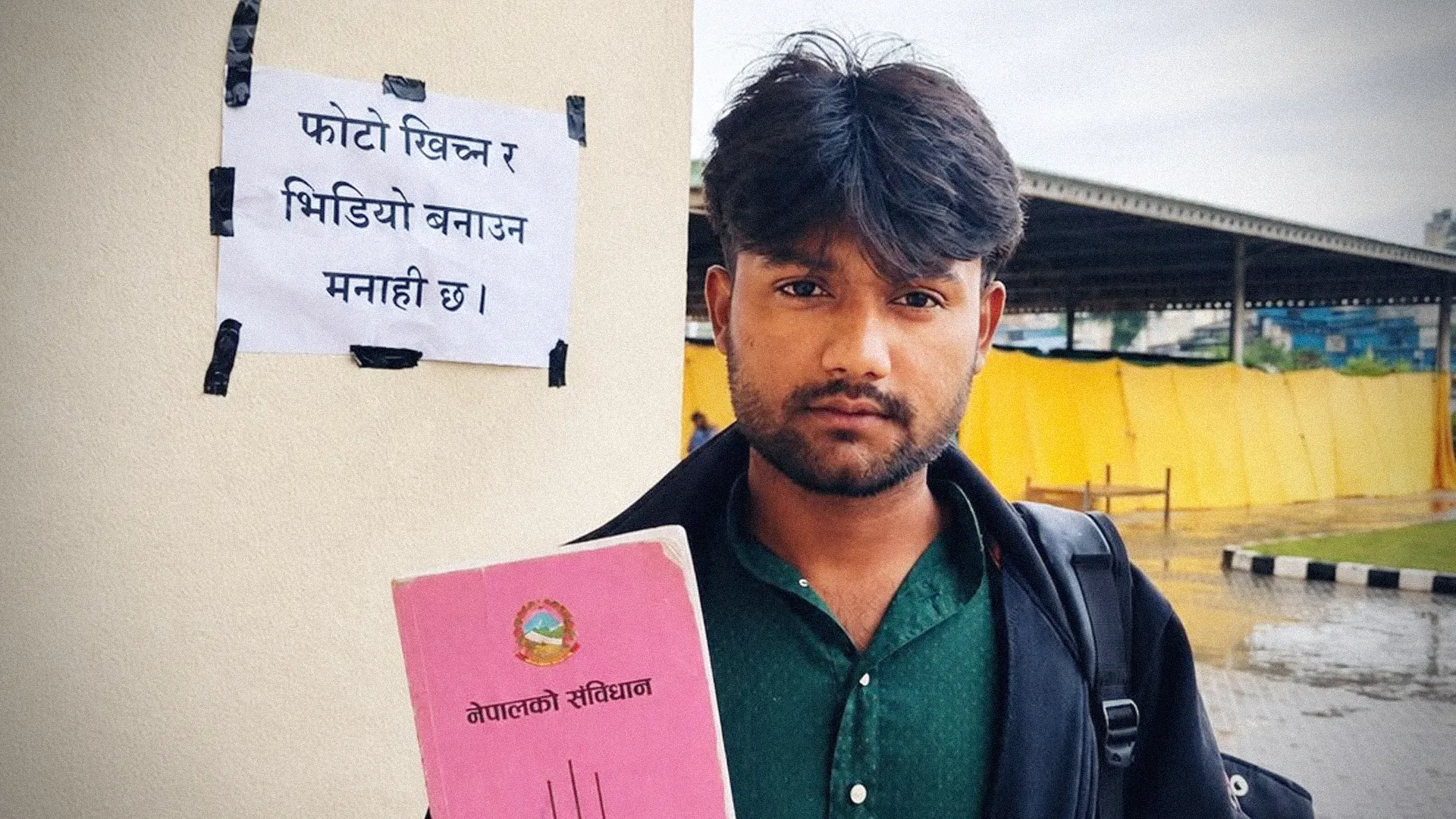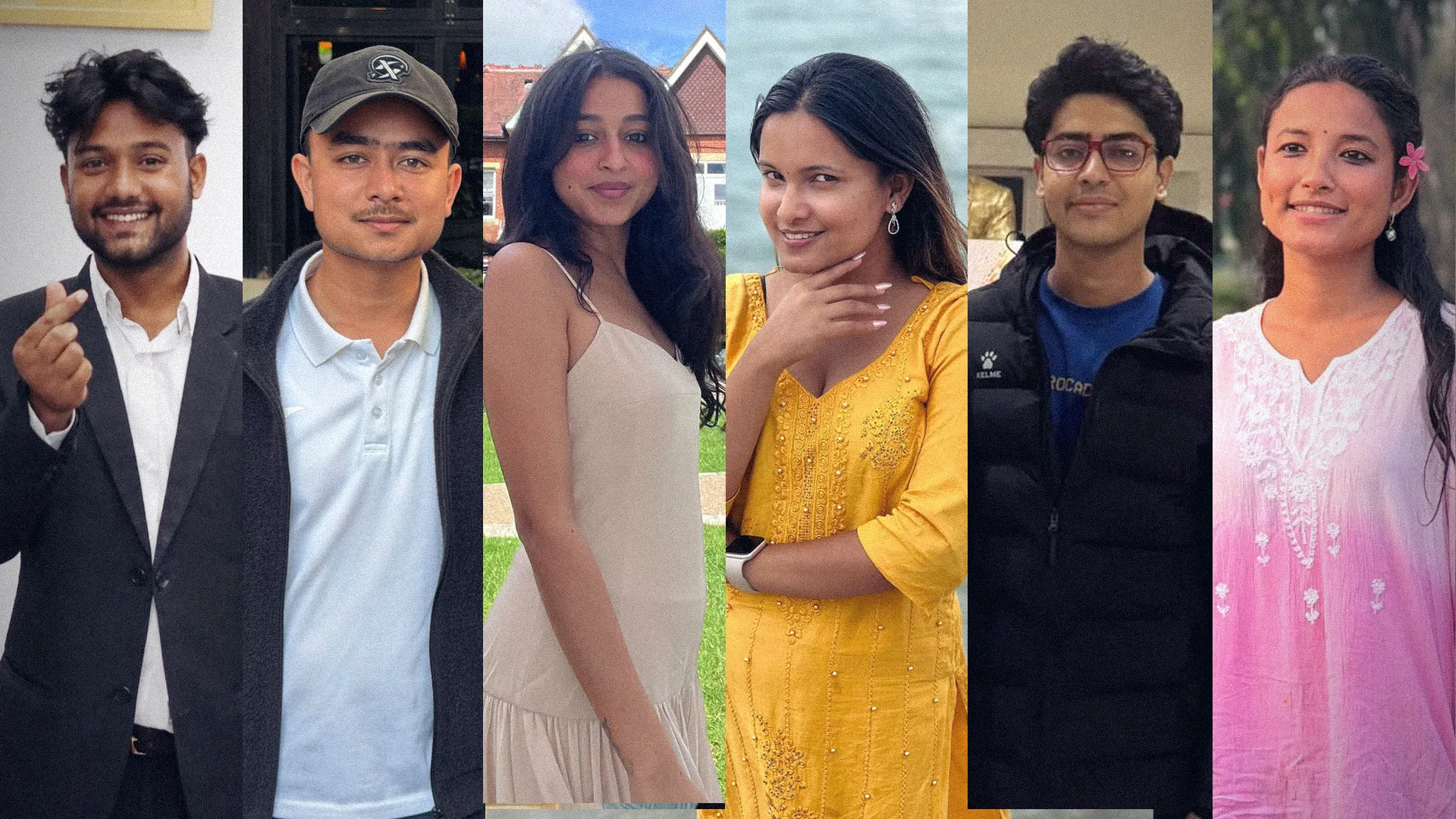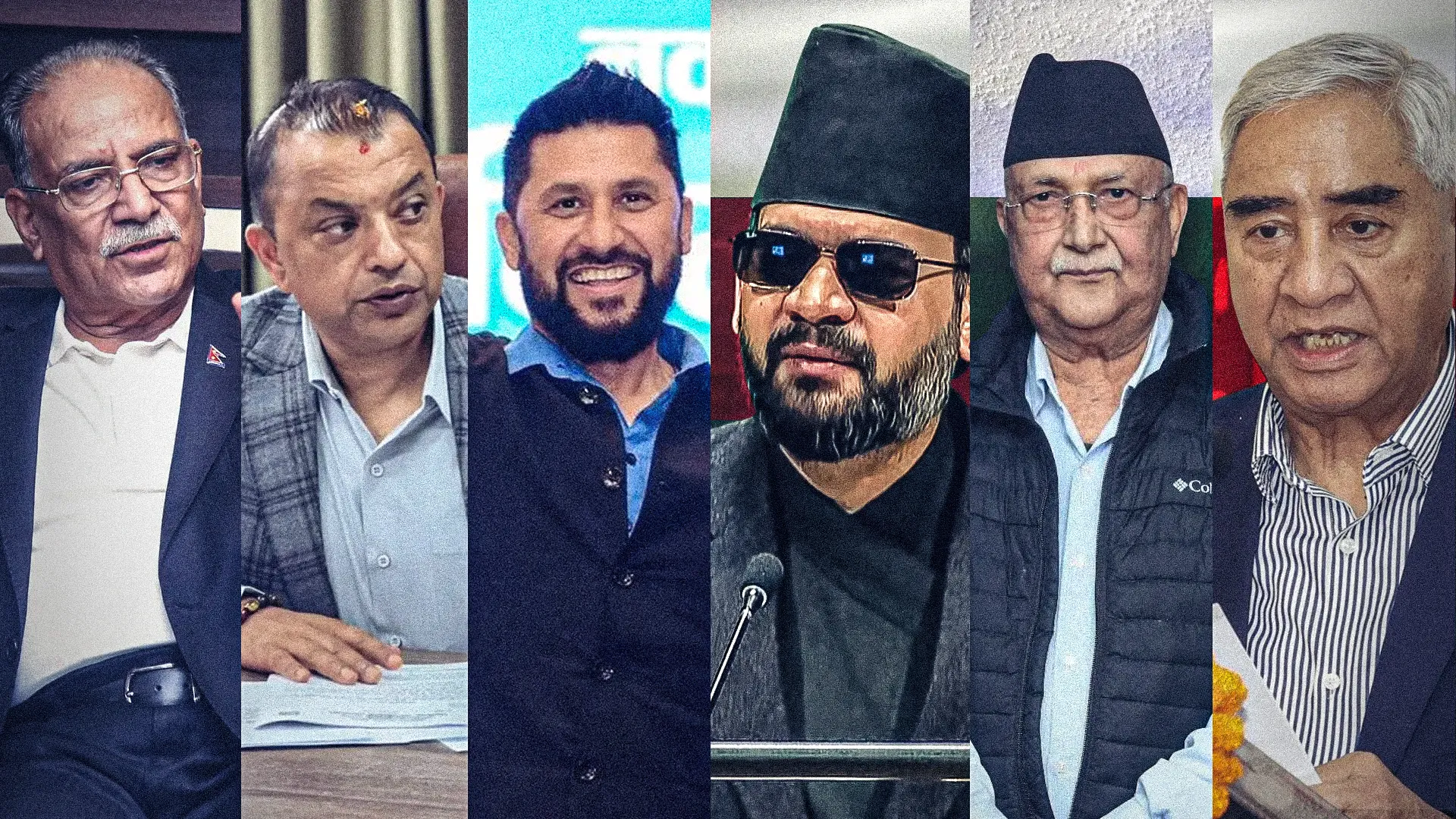



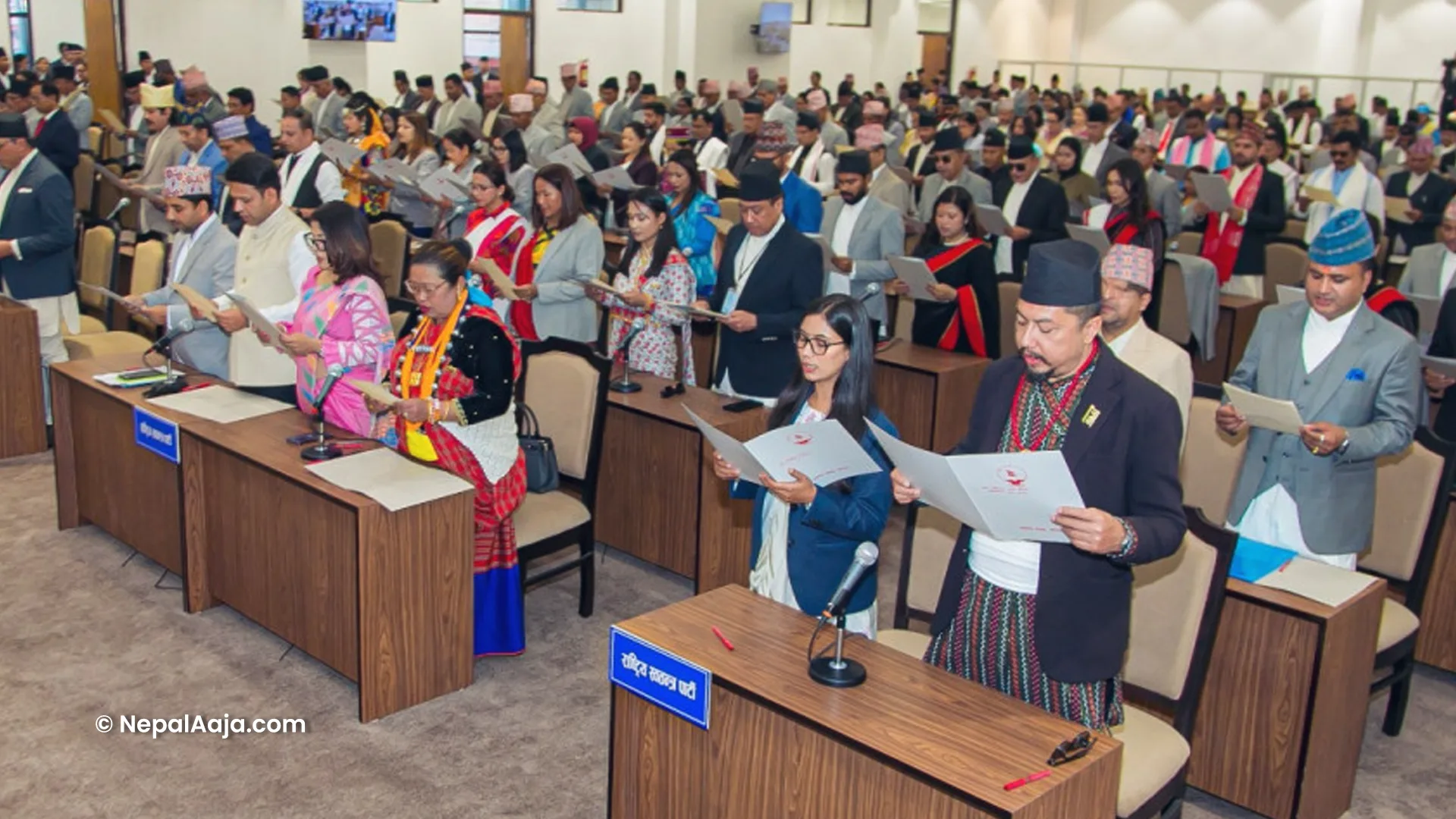
The formal inauguration of the new parliament was marked today by a striking visual departure from tradition, as seating arrangements for the swearing-in ceremony appeared to prioritize the rising tide of alternative politics over established veterans. In a scene that observers are calling a symbolic "changing of the guard," the coveted front row was dominated by prominent figures from the Rastriya Swatantra Party (RSP) and influential independent leaders, while legendary "heavyweight" politicians were seen in the rows behind them.
Leading the frontline were RSP's Sobhita Gautam and Biraj Bhakta Shrestha, alongside party chairman Rabi Lamichhane and senior leader Balendra (Balen) Shah. This prominent tier also included high-profile names such as Dr. Swarnim Wagle, DP Aryal, and RPP’s Gyanendra Shahi, with Dharan Mayor Hark Sampang also taking a seat in the primary row. This collective presence of new-age political actors in the vanguard of the hall served as a sharp contrast to the placement of seasoned figures. Former Prime Minister Pushpa Kamal Dahal 'Prachanda' and UML Vice Chairman Ram Bahadur Thapa 'Badal' were positioned in the same vicinity but notably behind the younger faces, a placement rich with political subtext.

Interested in this ad?
Would you like to continue to the link or provide your information for more details?
Please provide your information
To continue, please fill in your details
The hierarchy within the new forces also drew curiosity, as several notable RSP parliamentarians, including Manish Jha, Dr. Toshima Karki, Ramesh Prasai, and Deputy Speaker Indira Rana, were positioned in the second gallery rather than the first. Meanwhile, prominent youth activists Sudan Gurung and Ashika Tamang were seen toward the rear of the hall.
This strategic seating at the session's commencement suggests a burgeoning narrative in Nepali politics where grassroots and alternative mandates are claiming the foreground. As the new parliament begins its tenure, the sight of established giants in the shadows of the rising generation hints at an aggressive shift in upcoming legislative debates and power dynamics.