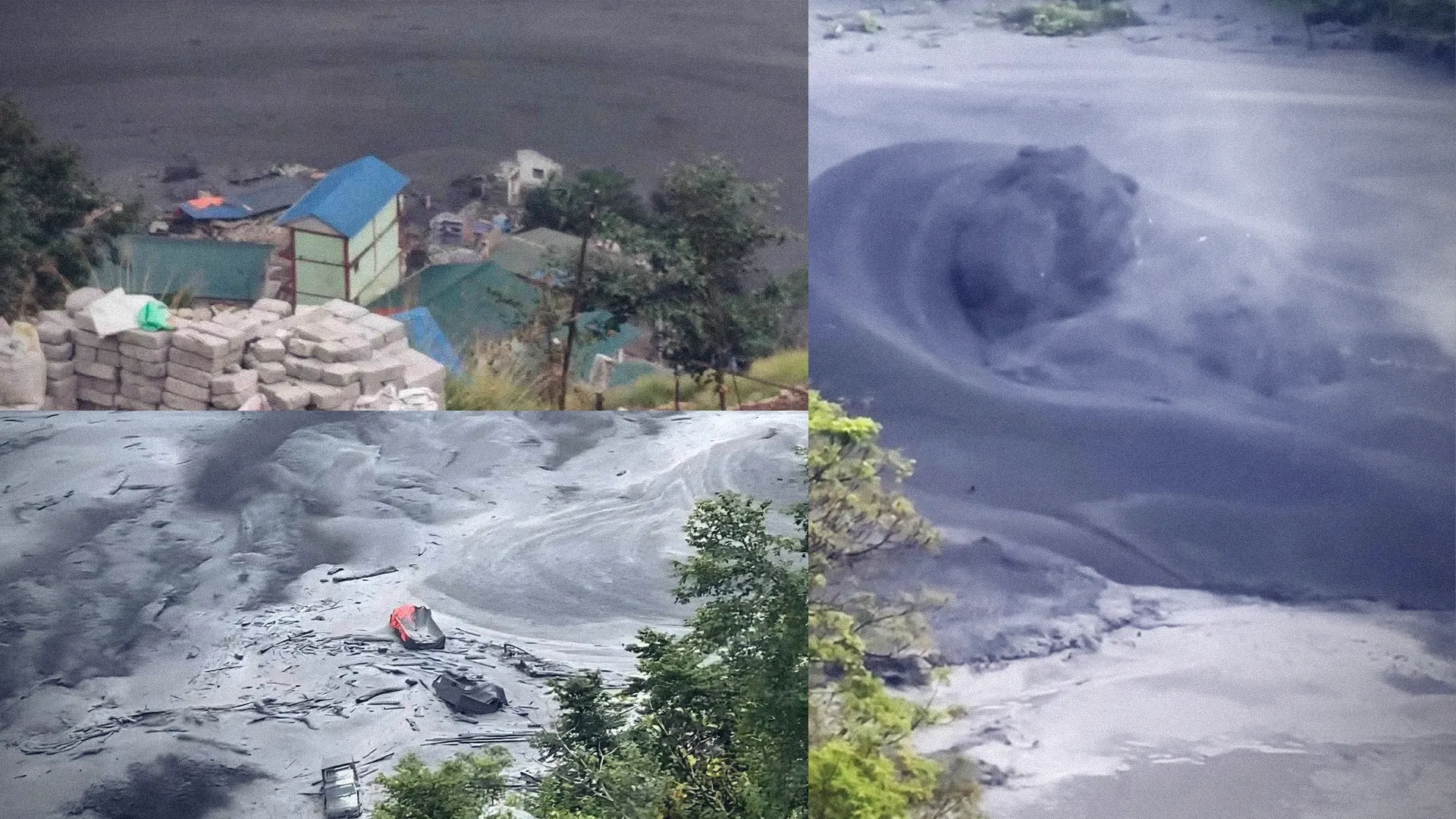



A devastating deluge along the Bhote Koshi and Trishuli river basins has left downstream communities in crisis, with the death toll topping 165 and more than 800 people remaining unaccounted for across affected districts.
Search teams continue working through mud and wreckage to locate 826 missing individuals, including approximately 500 foreign visitors, following the massive torrents that swept through northern settlements on Wednesday morning.
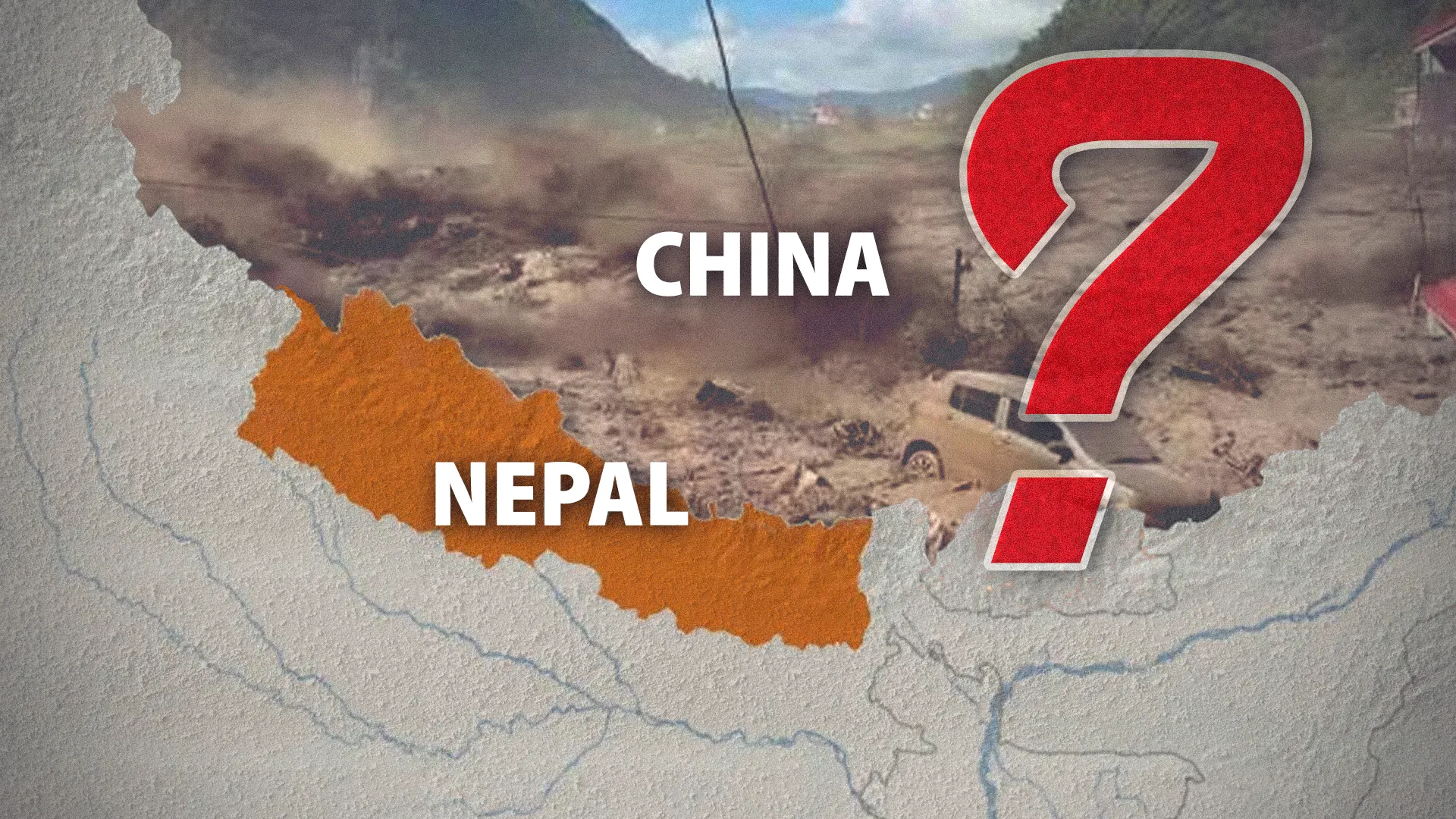
The calamity has ignited intense debate regarding cross-border disaster communication. Critics and local officials pointed out that early flood alerts came from civilian observations near the border rather than formal channels across the Tibet frontier.
Reports indicate the surge reached Tibetan territory around 8:15 AM Nepal time, yet downstream communities in Nepal were alerted primarily after residents spotted the rising waters heading toward the border.

Interested in this ad?
Would you like to continue to the link or provide your information for more details?
Please provide your information
To continue, please fill in your details
Speculation also emerged online linking the disaster to upstream infrastructure developments and potential dam breaches near the border crossing.
Addressing the rising scrutiny, Beijing’s diplomatic mission in Kathmandu rejected allegations of delayed warnings and structural failures. Official representatives stated the disaster was initiated by a seismic event or glacial collapse on the Nepali side, impacting both territories simultaneously.
Chinese diplomatic officials confirmed that emergency response protocols have been activated to support ongoing relief actions and secure border regions.
Rescue operations remain heavily focused on locating survivors, clearing submerged roadways, and assisting displaced families along the Trishuli corridor.